


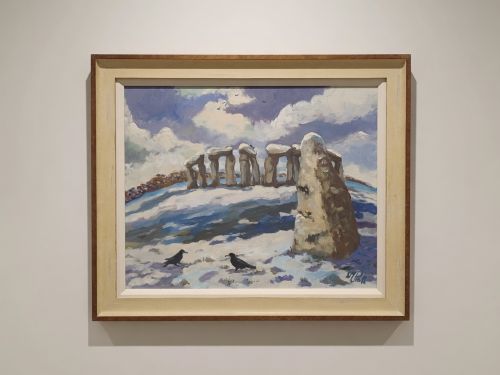
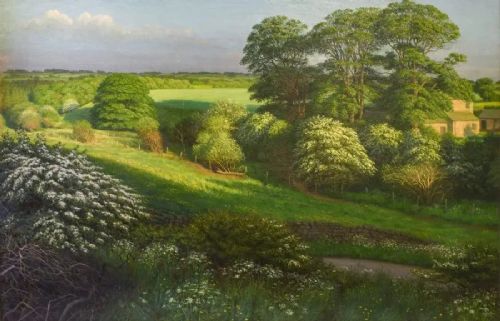
Original Countryside Painting
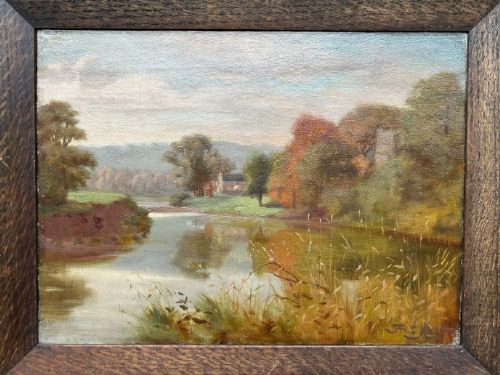
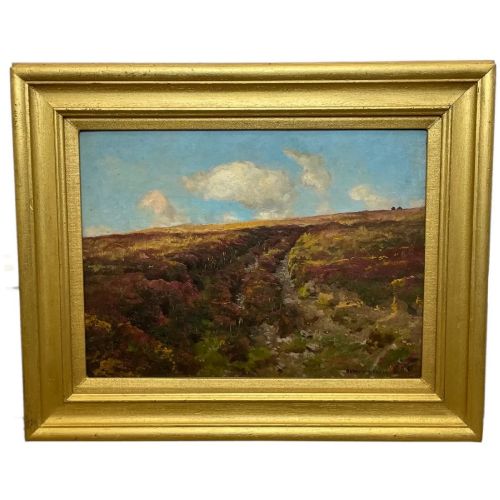
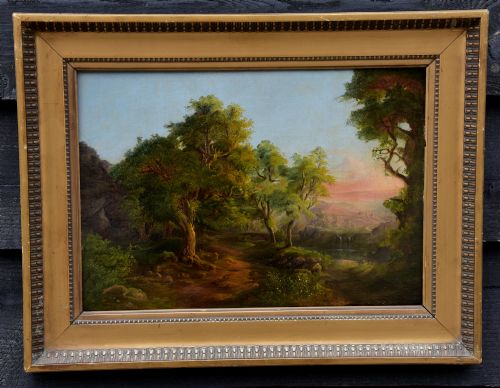
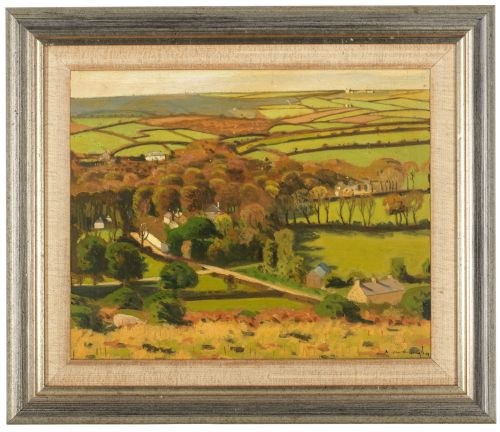
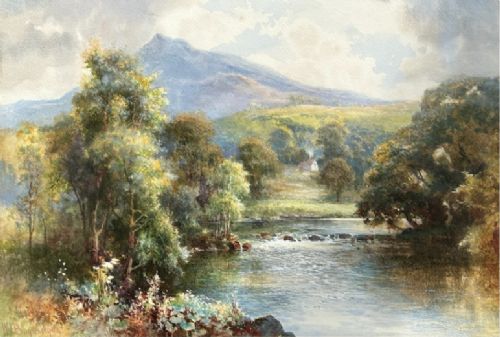
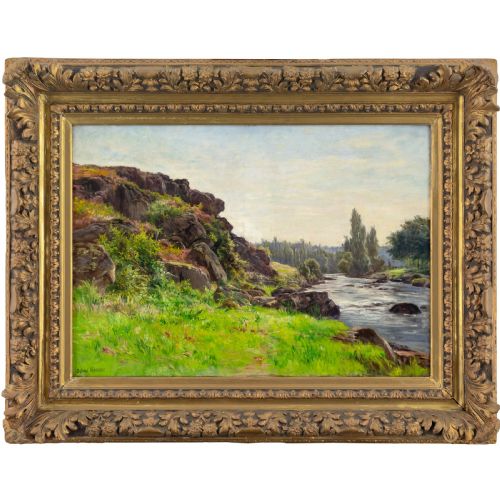
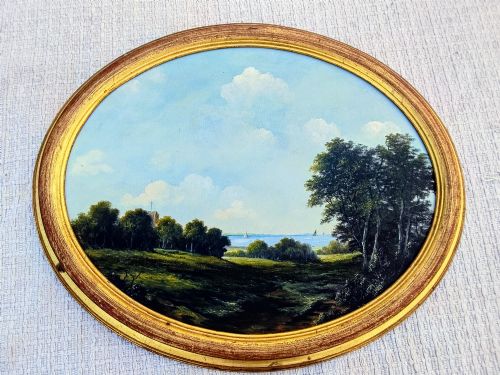
When you seek an original countryside painting, you are looking at pastoral views and river valleys captured by brush and pigment.
Original Countryside Painting
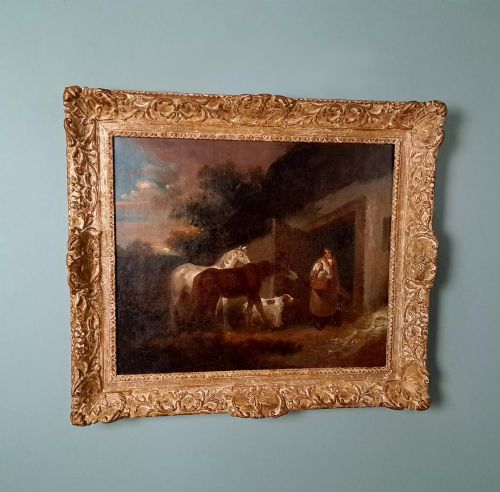
An original countryside painting captures rural scenes, woodland landscapes, rivers, and agricultural life on canvas, wood, or paper. These works span periods from the nineteenth century through the mid twentieth century, reflecting diverse regional settings in Britain and beyond.
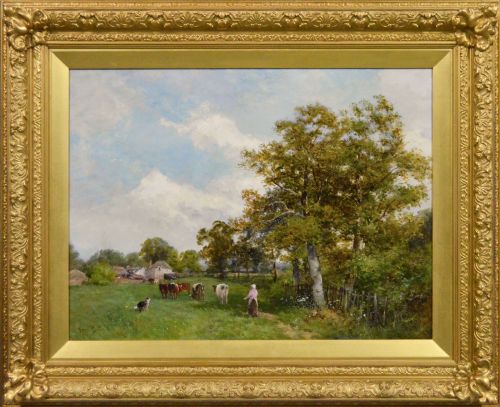
The most common examples on this page are oil and watercolour paintings produced during the Victorian and Edwardian eras, alongside early twentieth century pastoral compositions. Buyers encounter depictions of cattle, harvest fields, and rural cottages rendered by named artists and anonymous regional schools.
How They Were Made
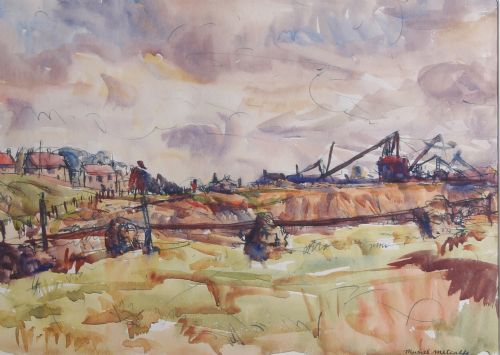
Artists painted primarily with oil paint or watercolour, applying medium onto stretched canvas, wooden boards, wood panels, or heavy paper sheets. Oil paint allowed for layered textures and rich blending, while watercolour offered translucent washes applied rapidly to paper surfaces.
Framing often utilised gilded wood to enclose and protect the finished artwork. Supports were prepared with grounds before pigment application, ensuring longevity for works executed outdoors or in studio settings.
The selection includes British Impressionism, Victorian realism, and Post-Impressionist landscape compositions from various schools.
What Varies in Quality
Quality rests upon the artist's handling of light, atmospheric depth, and structural composition within the landscape. Superior works demonstrate confident brushwork and precise tonal control that create convincing spatial distance.
Materials also influence the standing of a piece, with stable oil on canvas and well preserved watercolours commanding greater appreciation. The sophistication of the drawing and the vitality of the painted surface distinguish finer academic or impressionist examples from routine studio output.
William H Myers·George Graham·Frederick Marriott·Arthur Wardle·William Joseph Shayer Senior·Robert Morson Hughes·William Joseph Boyes·Gabriel Mathieu·David Bates·Muriel Metcalfe·Lucy Pratt·Raymond Booth·Harald Foss·Eric Brown·Henri Ottmann·Ernest Higgins Rigg·George Oyston·Rene Levrel·Russell Sidney Reeves·Florence Adelina Hess·Frederick Hines·John Horace Hooper·Hubert Wellington·Owen Bowen·Percy Hipkiss
The Original Countryside Painting Glossary
- Canvas
- A heavy woven fabric stretched across a wooden frame to serve as a support for oil painting. It provides a flexible yet durable surface for textured brushstrokes.
- Watercolour
- A paint consisting of pigment suspended in a water soluble binder, traditionally applied to paper. This medium relies on the white of the paper to show through translucent washes.
- Oil on Panel
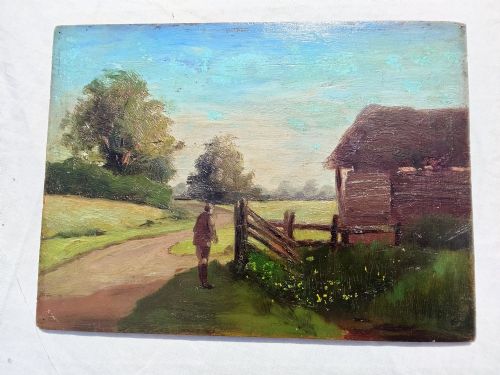
- A painting executed on a flat wooden board rather than canvas. Wooden panels offer a rigid support that prevents the cracking often associated with aged fabric.
- British Impressionism
- A painting style influenced by the French movement, characterised by visible brushstrokes and an emphasis on natural light. Artists working in this manner focused on outdoor rural subjects.
- Gilded Wood
- Wood covered with a thin layer of gold leaf, commonly utilised for traditional picture frames. This finish enhances the visual presentation of nineteenth and twentieth century artworks.
Original Countryside Painting: Frequently Asked Questions
How do I identify the age of a countryside painting?
Dating relies upon examining the type of support material, framing style, and written signatures or labels on the reverse. Stylistic traits such as Victorian academic realism or later impressionist brushwork also provide clear chronological markers.
Comparison with documented works by known regional painters helps narrow down the decade of creation. Documentation or historical exhibition labels attached to the frame offer further provenance.
Where were these landscape scenes usually painted?
Many artists worked directly outdoors in rural locales across Britain, including Welsh valleys, Yorkshire dales, and West Country riversides. Others completed their compositions in studios using preliminary watercolour sketches made on location.
Continental European landscapes also appear among these works, reflecting the travel habits of nineteenth and twentieth century painters. Regional scenes often celebrate specific agricultural landmarks like hop kilns and haystacks.
Should I choose oil or watercolour?
Oil paintings on canvas or wood panel offer robust surfaces with rich texture and deep colour saturation. They suit buyers looking for substantial traditional wall art with prominent impasto.
Watercolours on paper provide a lighter, more delicate aesthetic suited to subtle atmospheric effects. These works require protective glass framing to guard against moisture and direct sunlight.
How should I care for an antique painting?
Keep artworks away from direct sunlight, high humidity, and rapid temperature fluctuations to protect the paint and support. Avoid placing pieces near active heat sources that might warp wooden panels or dry out canvas.
Dust surfaces gently with a soft, dry brush without applying cleaning solutions. Professional conservationists should handle any deeper cleaning or structural repairs to the canvas or frame.