



British Architectural Landscape
British architectural landscape works capture historic buildings and street scenes through watercolours, oils and drawings spanning several centuries.
British Architectural Landscape
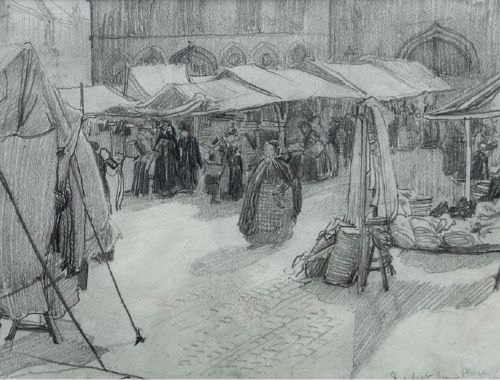
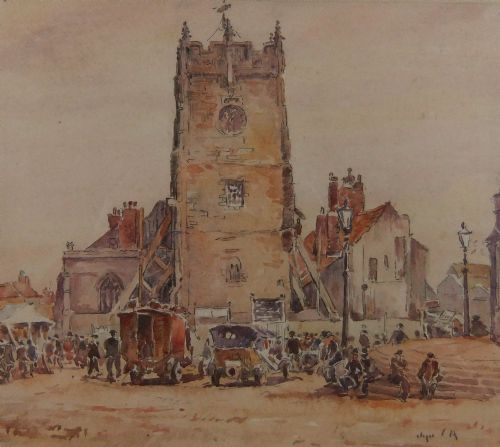
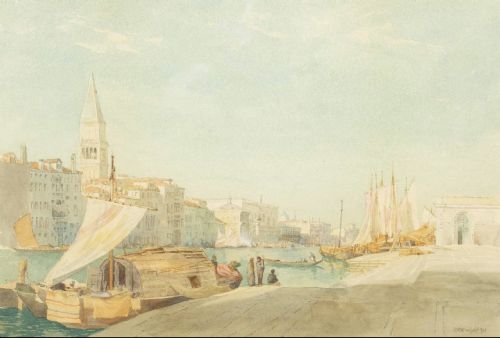
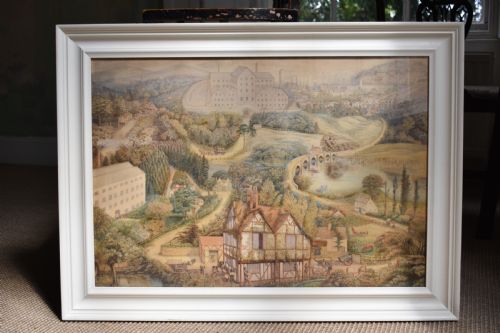
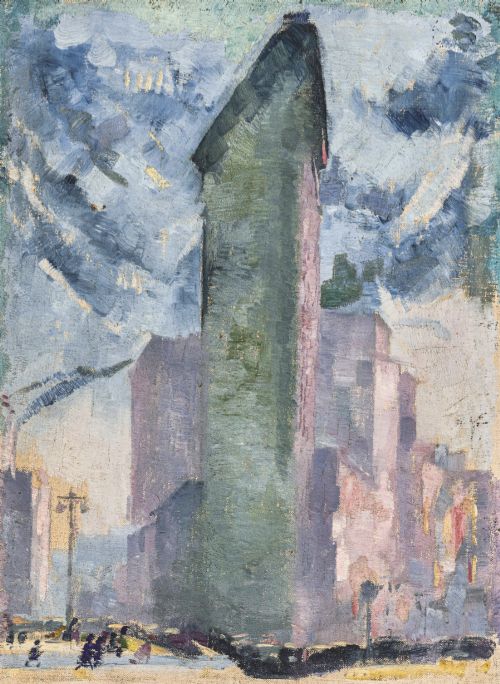
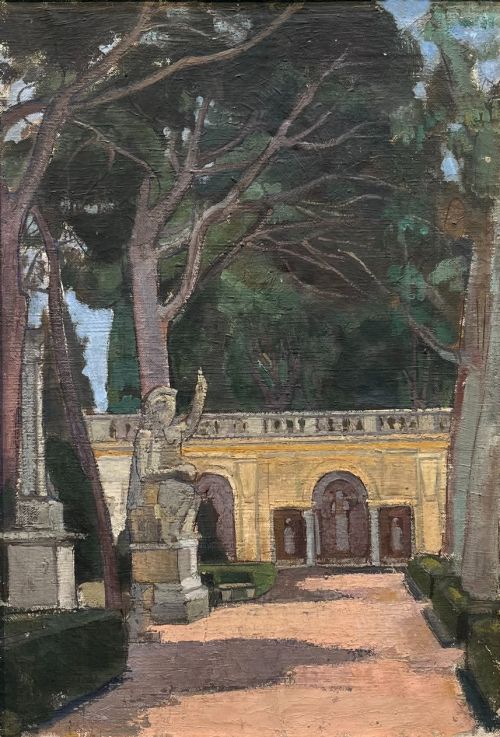
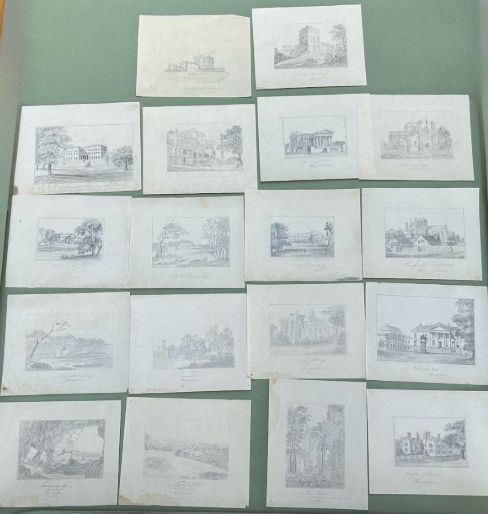
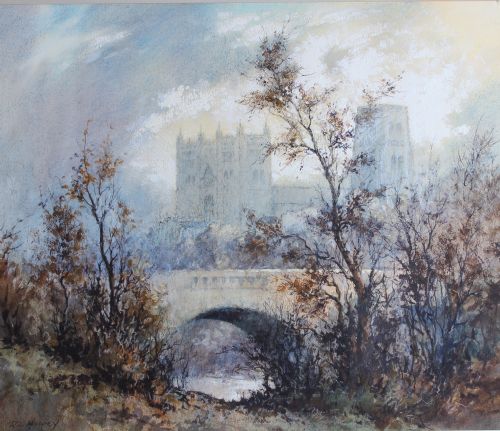
A British architectural landscape records historic structures, markets, bridges and country houses situated within urban or rural settings. These works encompass watercolours, oil paintings, pencil drawings and hand-coloured etchings created across multiple decades.
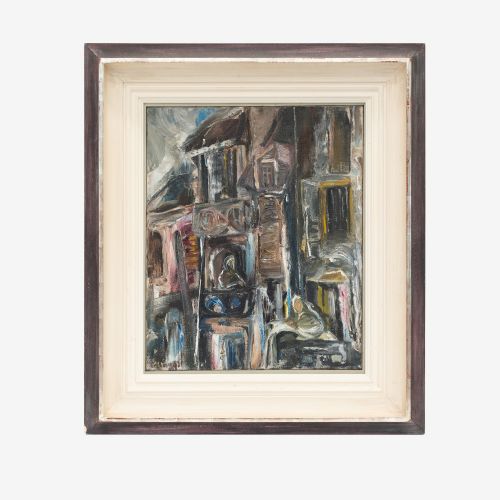
The selections on this page span the Georgian, Victorian and Edwardian eras alongside mid-twentieth-century modernist and industrial interpretations. Common subjects include cathedrals, abbeys, castles, city streets and village scenes across Britain and beyond.
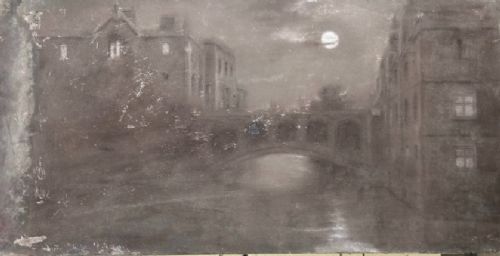
Works range from detailed topographical studies by named artists to atmospheric impressions executed by anonymous British school painters. Each piece documents a specific built environment using the dominant painting and drawing techniques of its respective period.
Materials and technique
Artists relied primarily on watercolour pigment, oil on canvas, ink and pencil on paper to record these architectural subjects. Watercolour washes build transparent layers of tone, whereas oil paints provide rich texture and depth on canvas or wood panels.
Draftsmanship underpins both the ink sketches and finished watercolours, defining stonework, perspective and foliage with precision. Etchings utilise inked metal plates pressed onto paper to reproduce fine architectural details through controlled line work.
Several artists captured the exact same bridges and abbeys, proving that great painters love a reliable view just as much as tourists do.
Evaluating quality
Quality rests upon the sureness of the draftsmanship, the handling of perspective in complex stone structures, and the management of atmospheric light. Masterly control over watercolour washes or oil pigment separates vibrant compositions from stiff, purely topographical records.
The reputation of the artist and the documentary clarity of the scene influence the standing of an individual piece within its period. Works that capture a distinct mood alongside architectural accuracy display greater artistic accomplishment.
Henry Percy Huggill·Thomas Ellison·John Smith Atherton·Richard Henry Wright·Alfred Wolmark·Robert Leslie Howey·Lilian Colbourn·Alfred George Morgan·Fred Lawson·Anne Dorrien Smith·Charles James Lauder·Stanley Orchart·George Whyatt·Florence Hess·Edith E Caswall·Hercules Brabazon Brabazon·David Small·John Sowden·Jack Merriott·Tom Dudley·George Lambert·David Law
The British Architectural Landscape Glossary
- Watercolour paint
- A water-based medium utilising finely ground pigment suspended in a water-soluble binder. This medium permits transparent washes that capture changing light on stone and sky.
- Oil on canvas
- A painting technique using pigments bound in drying oils applied to stretched fabric. This allows rich colour blending and substantial surface texture.
- Etching
- A printmaking method where lines are incised into a metal plate with acid before being inked and pressed onto paper. This technique produces fine, precise architectural lines.
- British Impressionism
- An art movement focusing on natural light, loose brushwork and everyday modern subjects. Practitioners applied these principles to landscapes and urban architecture.
British Architectural Landscape: Frequently Asked Questions
What defines a British architectural landscape?
These works depict buildings, monuments and street scenes integrated into natural or urban surroundings by British artists. They record the changing built environment through various traditional media.
Subjects range from medieval castles and cathedrals to industrial factories and city market squares across different centuries.
How should I care for a watercolour painting?
Watercolour pigments remain sensitive to prolonged direct sunlight, which causes fading over time. Displaying works away from bright windows helps preserve the original colours.
Framing behind glass with acid-free mounts protects the paper support from environmental moisture and atmospheric pollutants.
How do I date an antique painting?
Stylistic clues, costume details, architectural elements and framing materials often provide a reliable timeframe for creation. Signatures, inscriptions on the reverse and artist biographies narrow down the period.
Canvas types and paper watermarks further assist in establishing the age of older works.
Where were these landscape works displayed?
Victorian and Edwardian watercolours and oils typically hung in domestic drawing rooms and libraries as polished reflections of travel and heritage. Artists also exhibited such pieces in regional galleries and annual society shows.
Many works document specific historical sites visited during sketching tours across Britain and Europe.