
Oriental Pottery Vase
An oriental pottery vase brings together centuries of ceramic tradition from China and Japan, offering intricate painted details and striking forms for interior spaces.
Oriental Pottery Vase
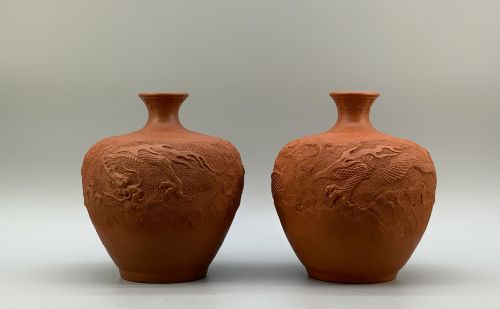
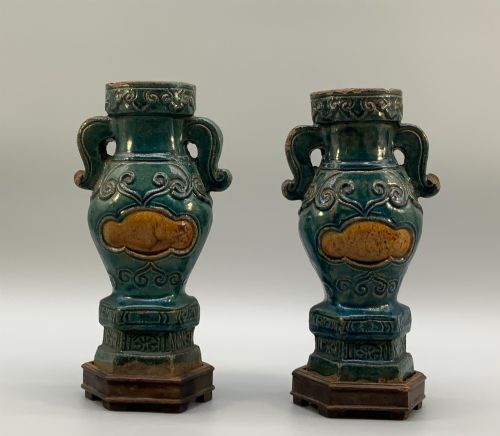
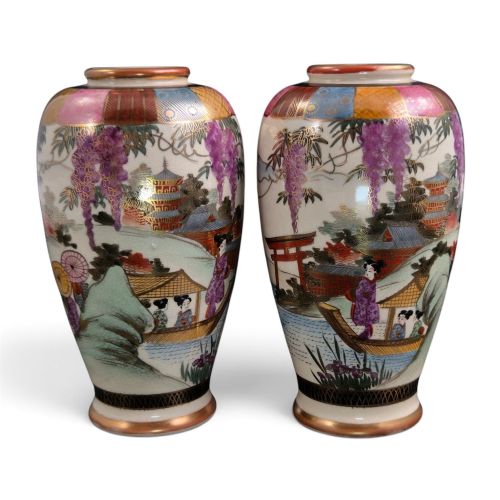
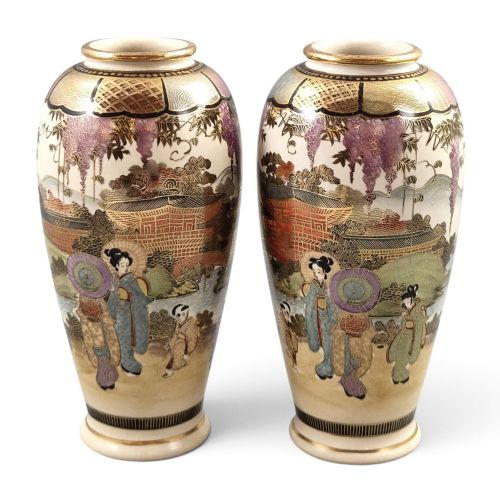
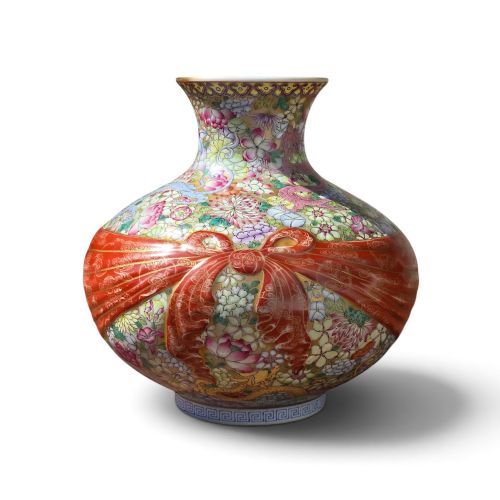
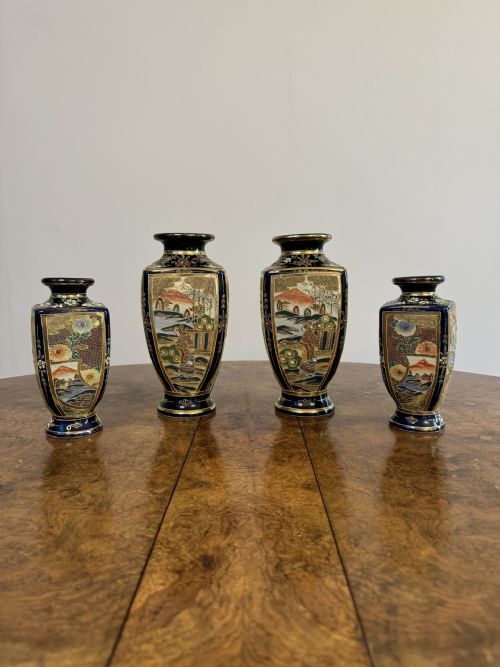
An oriental pottery vase encompasses diverse ceramic vessels originating from East Asia, spanning centuries of distinct artistic production. Buyers browsing this selection encounter pieces ranging from Japanese Satsuma earthenware and Imari porcelain to Chinese Qing dynasty vessels.
Table lamps adapted from ceramic bodies also appear among the selections, alongside large decorative garnitures and pairs intended for mantelpieces or display centres.
How they were made
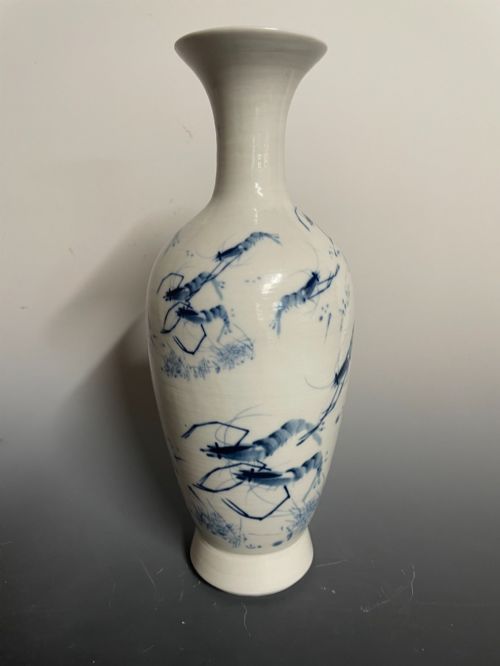
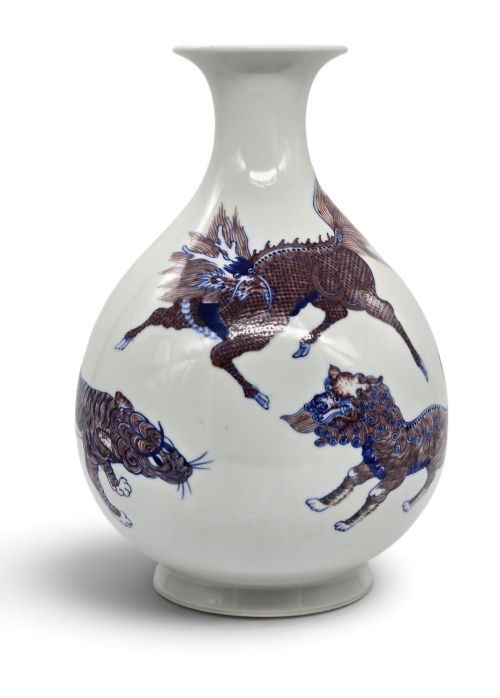
Potters utilised materials such as porcelain, earthenware, and stoneware, shaping clay into functional vessels before applying glazes and enamels. Workshops employed underglaze blue, copper-red, and polychrome pigments to build complex pictorial scenes across the ceramic surface.
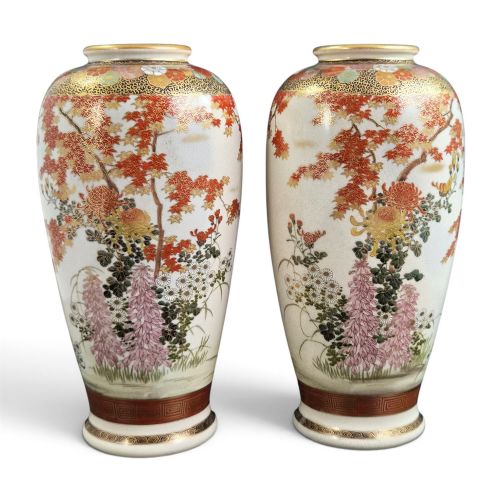
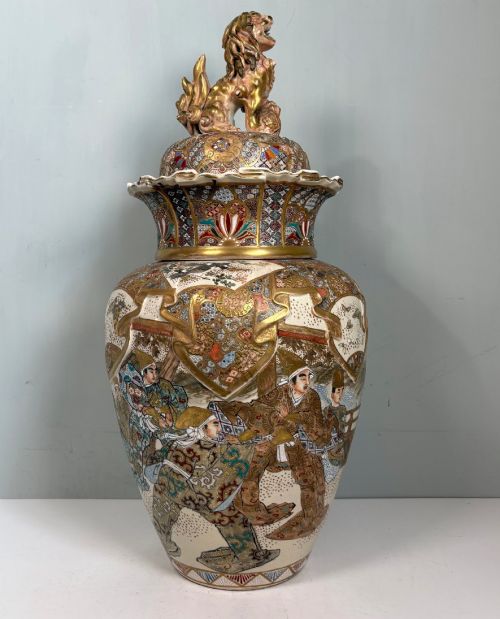
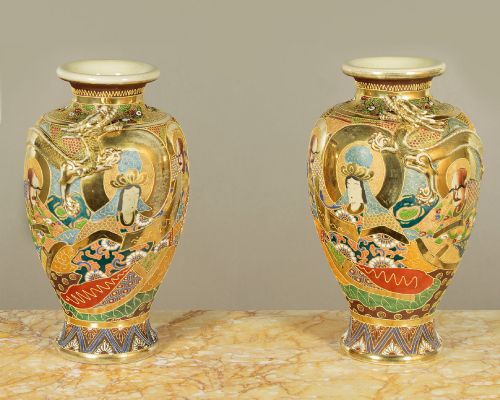
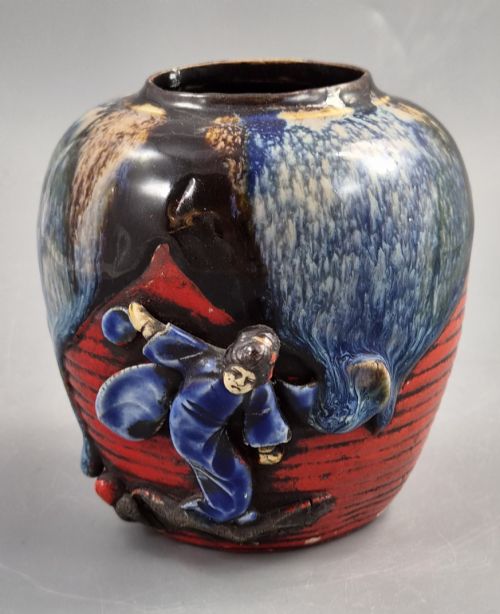
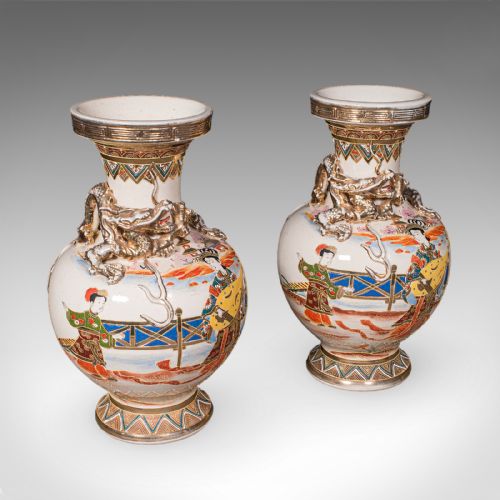
Gilt and gold leaf frequently highlight specific decorative elements, particularly on Japanese Satsuma wares where raised enamels create tactile depth. Flambé glazes introduce mottled or streaked colour variations through controlled kiln atmospheres.
Specialised techniques distinguish different regional outputs, from the crackled cream earthenware associated with Kyoto makers to the distinct iron-red and cobalt blue palettes of Imari and Qing ceramics.
Materials represented across the inventory include earthenware, porcelain, stoneware, enamel, gold leaf, and wood.
What varies in quality
The standard of painting and brushwork dictates much of the distinction across these ceramics, separating hurried output from meticulous artistry. Fine works display precise linework on figures, foliage, and mythical beasts without muddied pigments or stray brushstrokes.
The complexity and depth of the decorative scheme also separate tiers of production, particularly where heavy gilding and raised enamel work require advanced firing control. Signed pieces from established workshops or identified makers generally demonstrate superior execution in both form and glaze stability.
Maruni Kobe·Shozan·Inoue Ryosai·Ban-ni·Manpei·Kinkōzan·Hotoda·Makuzu Kozan
The Oriental Pottery Vase Glossary
- Satsuma
- A type of Japanese earthenware traditionally featuring a ivory-coloured, crackle-glazed body decorated with detailed enamels and gilding. These pieces were widely produced for export during the Meiji period.
- Imari
- A style of Japanese porcelain decorated in underglaze blue, iron red, and gold, named after the port from which the wares were shipped. The palette is rich and distinctively vibrant.
- Baluster
- A vase form characterised by a rounded body that tapers toward the base and swells slightly near the foot, resembling a architectural baluster.
- Famille Rose
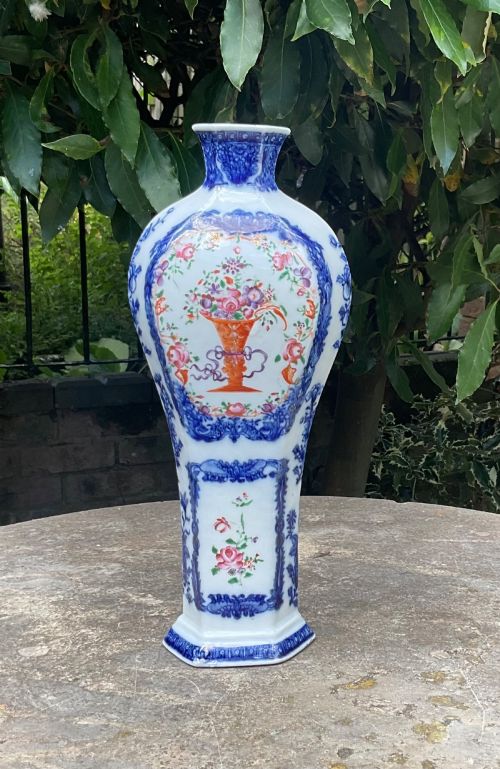
- A palette of Chinese porcelain enamels dominated by opaque pink or rose colours, introduced during the Qing dynasty and utilised for floral and figural designs.
- Flambé
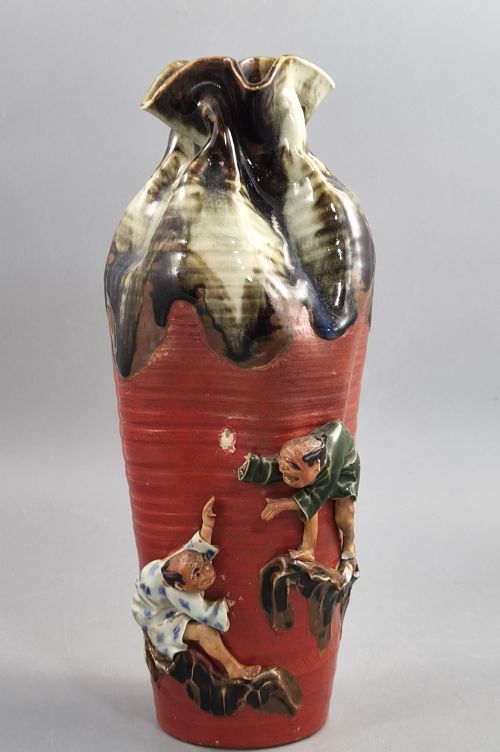
- A streaked or mottled glaze achieved by altering kiln conditions during firing, resulting in rich transitions of colour across stoneware and earthenware surfaces.
Oriental Pottery Vase: Frequently Asked Questions
How do I identify Satsuma ware?
Satsuma ceramics typically display a characteristic ivory-coloured earthenware body covered in a fine, network-like crackled glaze. The surfaces are heavily decorated with polychrome enamels and raised gold leaf, often depicting figures, landscapes, or butterflies.
Many pieces bear artist or workshop signatures on the base, particularly those produced in Kyoto or Kobe during the Meiji period.
What is the difference between Chinese and Japanese pieces?
Chinese ceramics frequently utilise porcelain bodies with underglaze blue, monochrome, or famille rose enamel palettes reflecting imperial dynasties and traditional symbolism. Japanese pieces often incorporate earthenware bodies, notably Satsuma or Kutani wares, with distinct regional glazing and painting styles.
Stylistic motifs also diverge, with Chinese designs focusing on auspicious symbols, dragons, and floral ribbons, while Japanese works frequently feature narrative scenes of sages, nature, and landscapes.
How were these vases originally used?
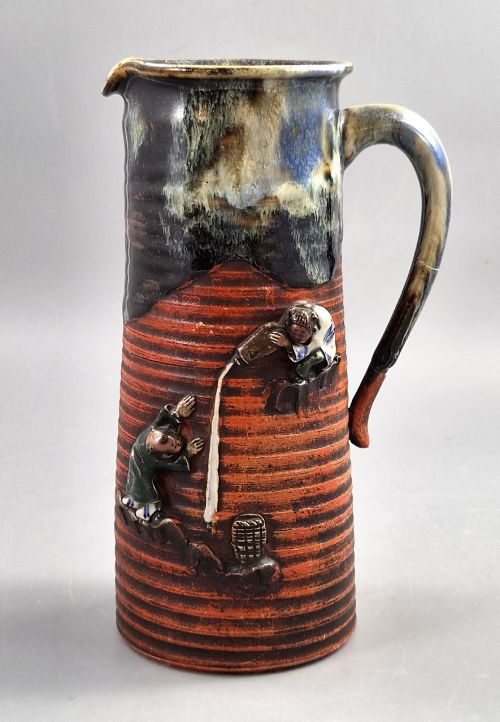
Many large vessels functioned as decorative centrepieces in domestic interiors, placed on mantelpieces, side tables, or within specialised garniture sets. Certain forms, such as ginger jars and pitchers, originated as storage containers or pouring vessels before becoming purely decorative display items.
In later periods, some larger ceramic bodies were professionally converted into table lamps for functional home illumination.
How do I care for antique ceramic vases?
Display these vessels away from direct sunlight and areas subject to sudden temperature fluctuations to protect delicate glazes and enamels. Dusting should be performed gently with a dry, soft brush without applying moisture to unglazed or porous earthenware sections.
Avoid using chemical cleaning agents or abrasive cloths on the painted surfaces or gilded highlights.