





Oriental Porcelain Decorative Plates
Oriental porcelain decorative plates bring vibrant colour and intricate hand-painted detail from distant workshops straight into your interior.
Oriental Porcelain Decorative Plates
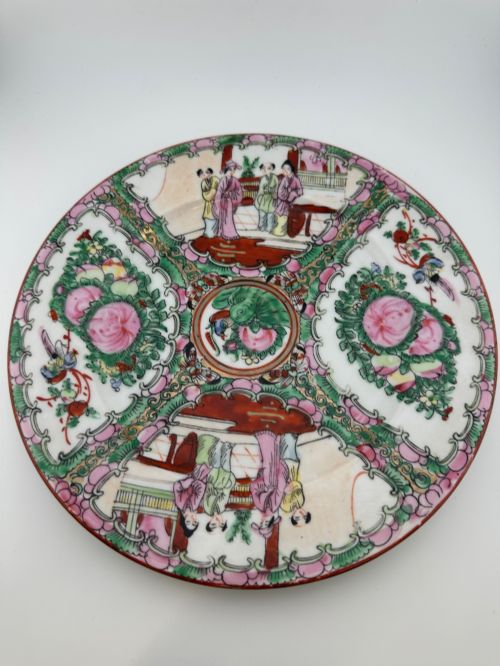
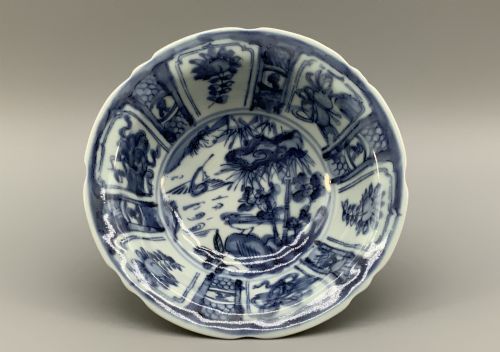
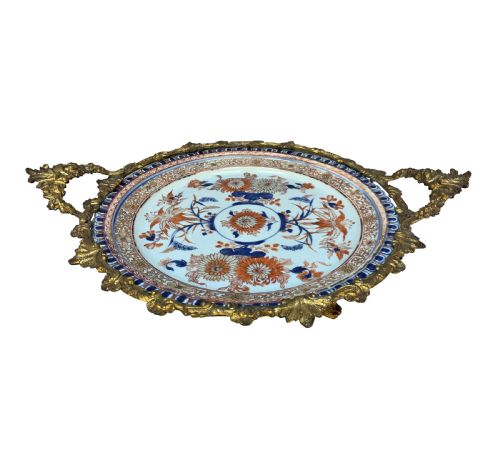
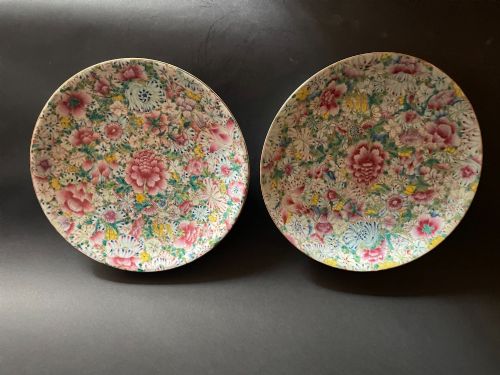
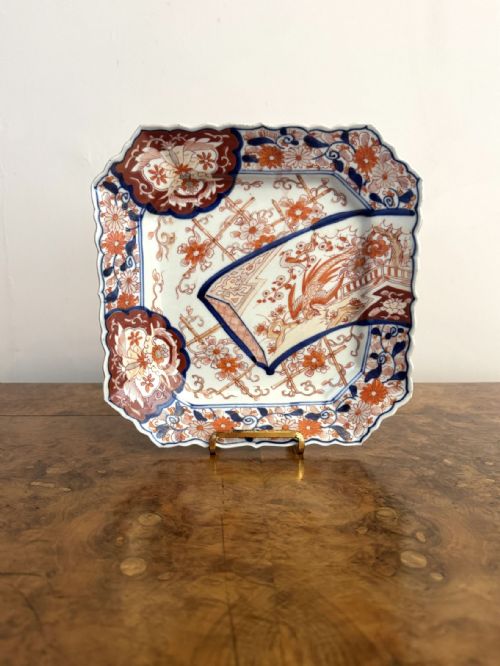
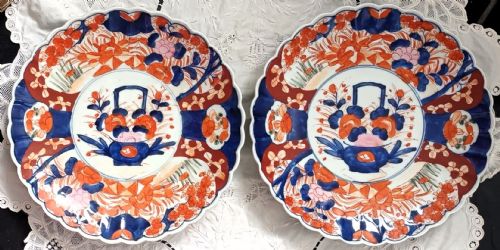
These pieces encompass oriental porcelain decorative plates, chargers, dishes, and bowls produced across multiple centuries. You will encounter Japanese Imari, Satsuma, and Kutani wares alongside Chinese blue and white porcelain.
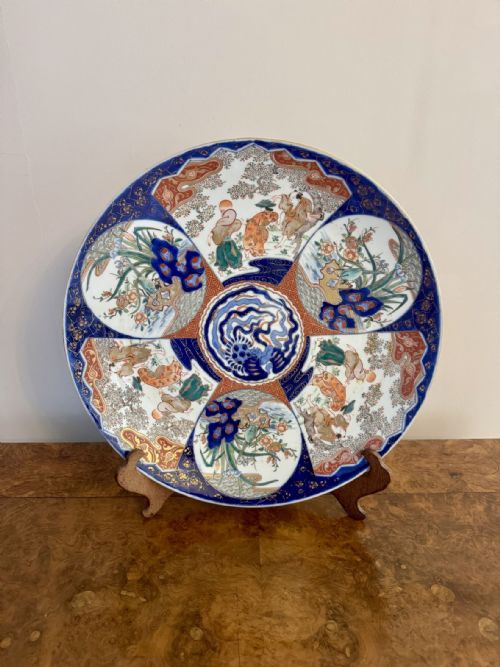
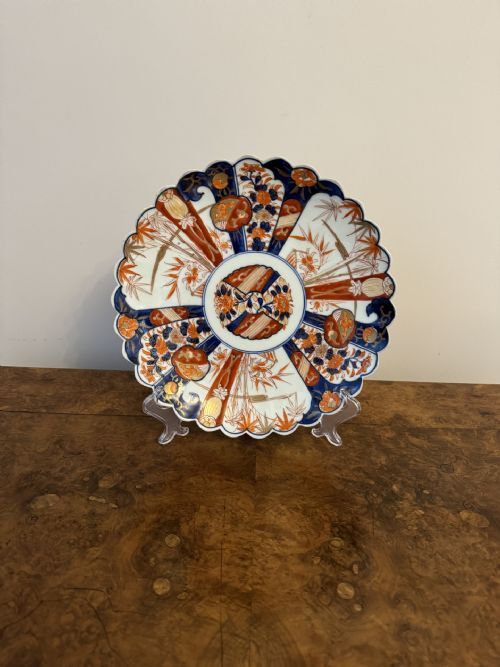
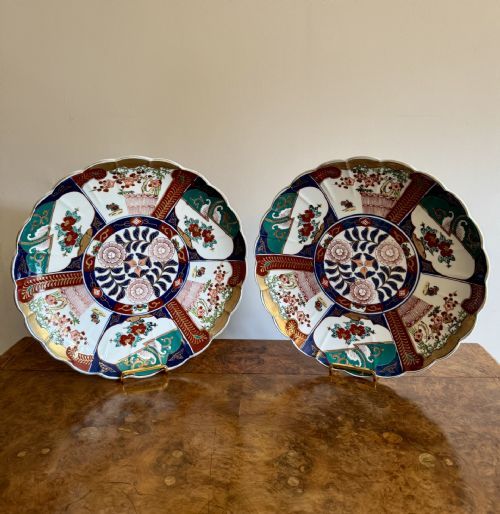
The selection leans heavily towards the late nineteenth century and the Meiji period, featuring vibrant hand-painted floral, bird, and figural designs. Larger chargers and scalloped plates dominate the available forms.
Earlier examples reach back to the eighteenth century, including Chinese export pieces and Kangxi period bowls. These objects served both domestic display and international trade.
How they were made
Potters shaped ceramic and porcelain bodies before applying cobalt underglaze pigments and rich enamel colours. Gold leaf and gilt details were often added over the glaze to catch the light.
Firing techniques required precise kilns to achieve the characteristic hard paste porcelain and earthenware bodies. Skilled artisans hand-painted every motif, from koi carp to floral sprays.
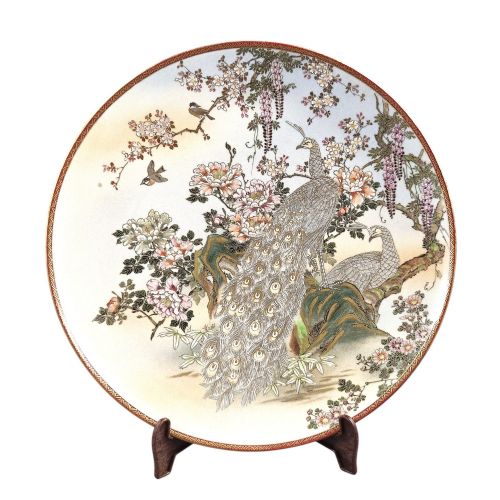
Among the painted fauna, koi carp swim across nineteenth-century glazes while peacarks survey wisteria branches.
What varies in quality
Quality rests upon the precision of the hand-painting and the complexity of the design composition. Pieces depicting detailed figures like the Seven Lucky Gods or intricate flora demand superior brushwork.
The depth of the cobalt blue, the vibrancy of the enamel palette, and the sparing or generous application of gold leaf define the upper tier of these plates and chargers.
Koshida
The Oriental Porcelain Decorative Plates Glossary
- Imari
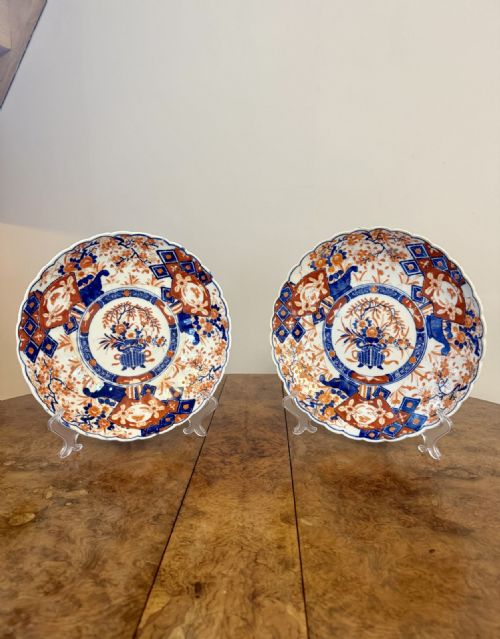
- A style of Japanese porcelain featuring a distinctive palette of underglaze blue, iron red, and gilt. It originated in the town of Arita and became immensely popular for export.
- Satsuma
- A type of earthenware from Japan with a ivory-coloured, crackle-glaze finish. It is typically decorated with elaborate enamel patterns and gilt.
- Charger
- A large decorative plate intended for display on a wall or sideboard rather than for dining use. These pieces often feature the most ambitious painted scenes.
- Kutani
- Japanese porcelain known for its bold pictorial designs and strong colour schemes, often utilising greens, blues, yellows, and purples. Production centred in the Kaga province.
- Cobalt Underglaze
- A blue pigment applied to the raw clay body before glazing and firing. This technique ensures the colour remains permanent and protected beneath the glassy surface.
Oriental Porcelain Decorative Plates: Frequently Asked Questions
How were these plates used?
Most of these large chargers and plates were created for decorative display rather than daily dining. Owners placed them on stands or hung them on walls to showcase their artistry.
Export pieces also functioned as status symbols in European and domestic households, reflecting global trade connections.
How do I identify Meiji period pieces?
Meiji period items date from 1868 to 1912, a time when Japanese export ceramics flourished. Look for dense hand-painted motifs, rich enamel colours, and gilt highlights.
Many pieces from this era combine traditional iconography like birds and peonies with refined decorative borders.
What is the difference between a plate and a charger?
A charger is substantially larger than a standard dining plate, generally measuring well over thirty centimetres across. They function primarily as centrepieces or wall hangings.
Plates in these collections are smaller, though often share the same intricate scalloped edges and painted patterns.
Can I hang these plates on the wall?
Yes, many collectors use specialised wire hangers designed to secure large chargers and plates safely. Ensure the hanger matches the exact weight and rim shape of the piece.
Displaying them securely allows you to appreciate the detailed hand-painted designs at eye level.