




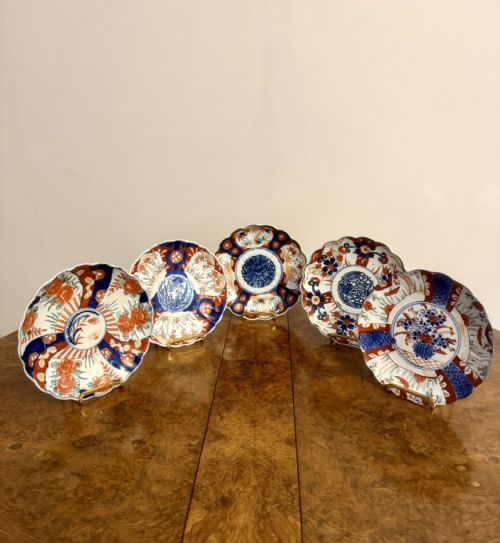
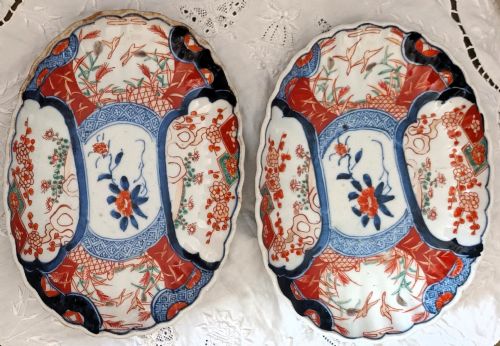
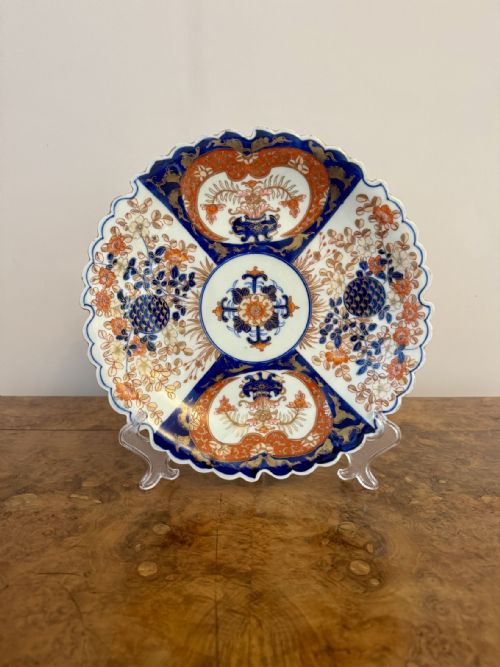
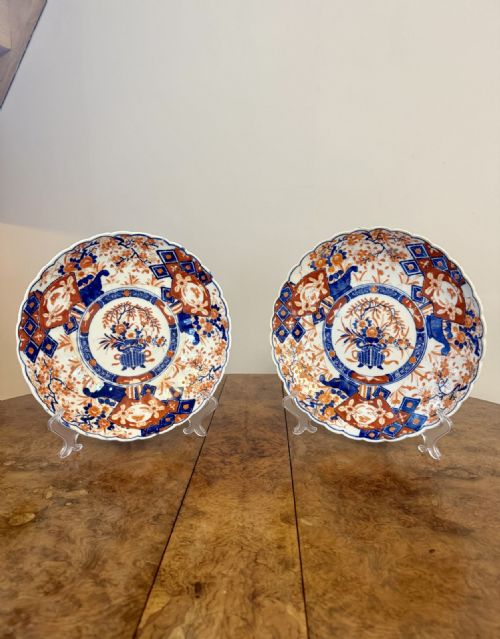
Scalloped Japanese Porcelain Plates
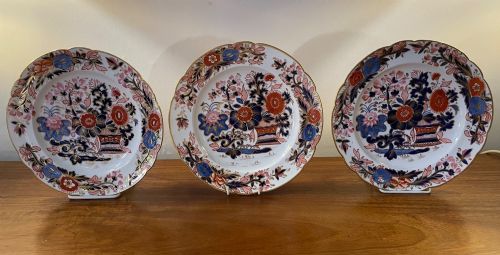
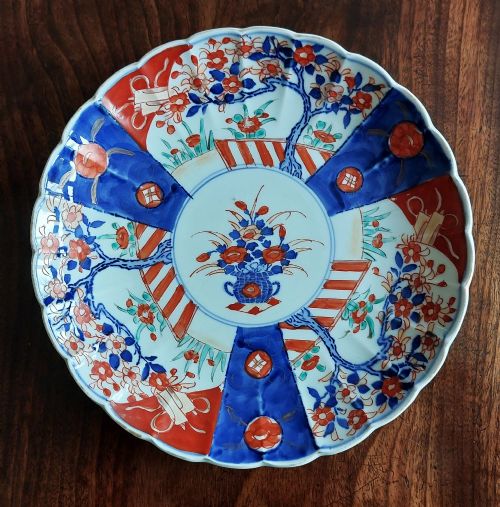
These scalloped japanese porcelain plates bring vibrant palette work and distinctive moulded edges to a room, offering both decorative presence and traditional craftsmanship.
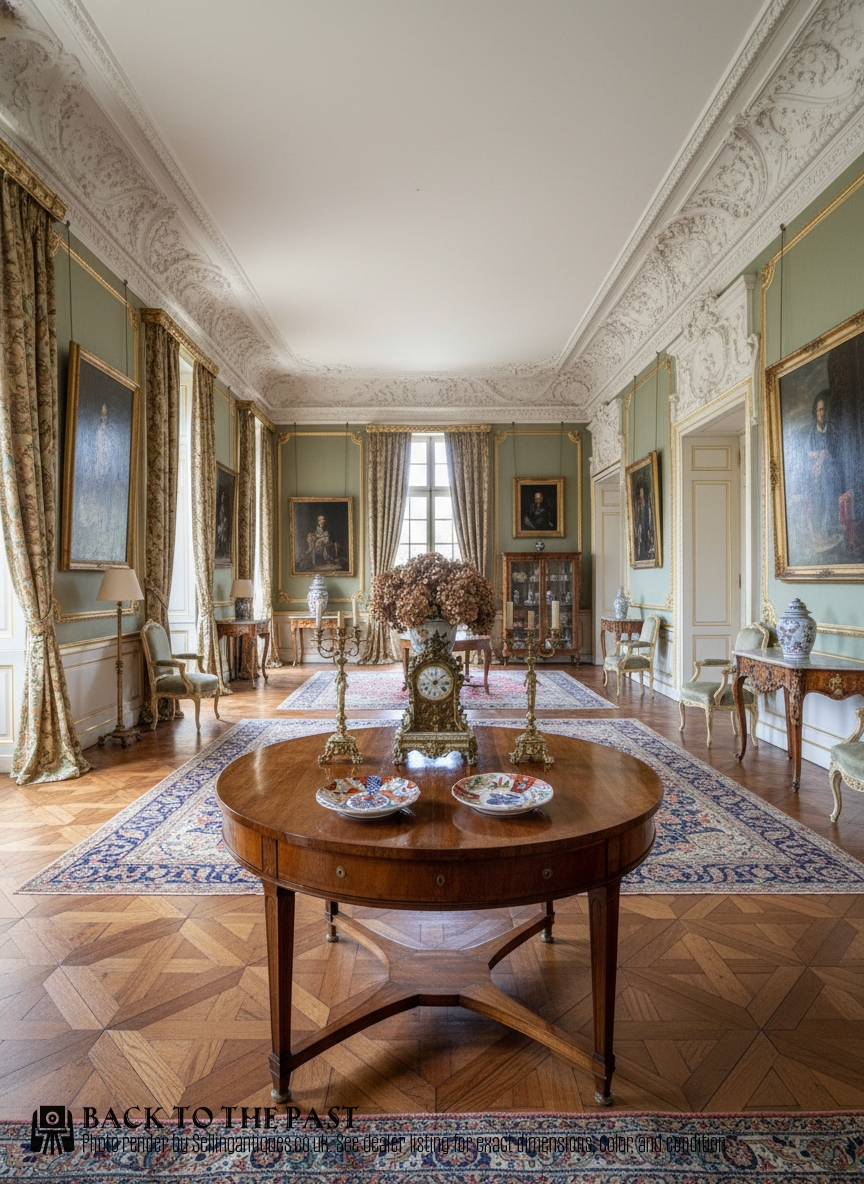
Scalloped Japanese Porcelain Plates
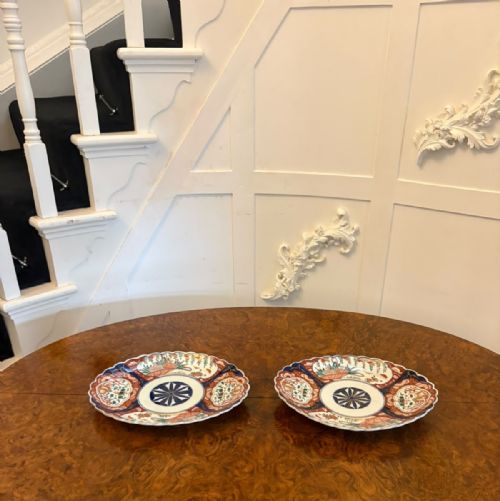
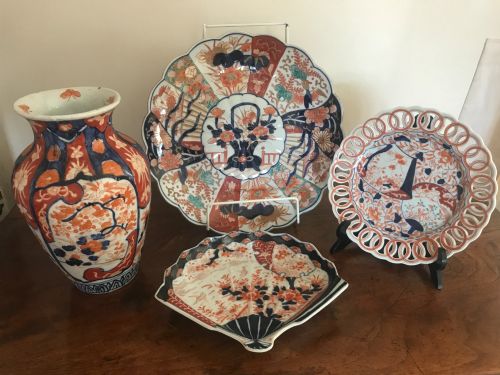
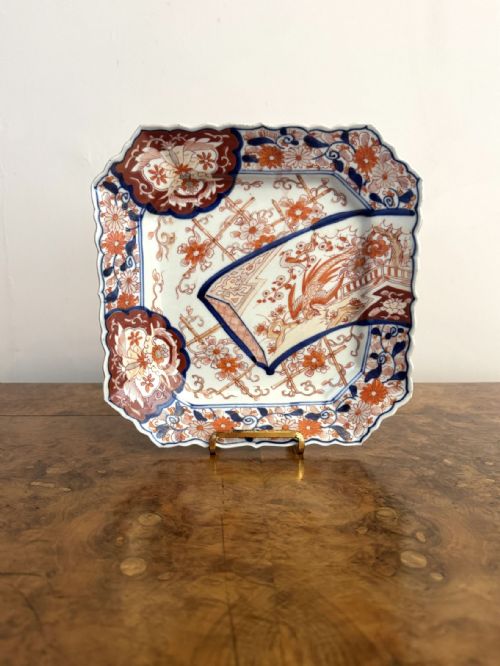
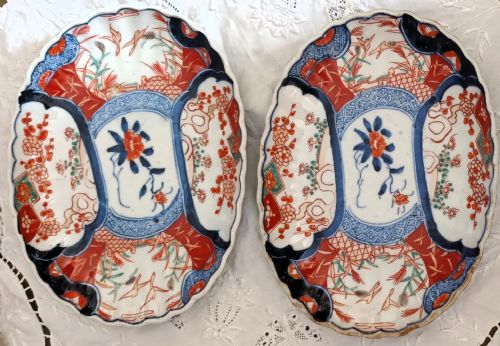
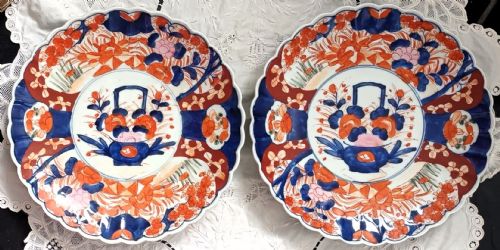
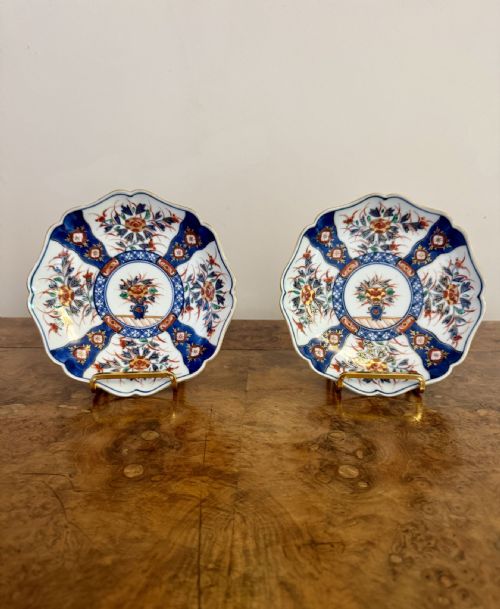
When searching for scalloped japanese porcelain plates, buyers encounter circular, oval, square, hexagonal, and shell shaped ceramic forms designed for decorative display. These pieces span the 19th Century, Victorian, Edwardian, and Meiji periods, reflecting the output of Japanese kilns from 1800 through 1920.
The version most commonly met on this page is the Japanese Imari charger or plate featuring characteristic moulded scalloped edges. Such wares include pairs, sets of six, and larger single decorative dishes depicting birds, floral motifs, and the Seven Lucky Gods.
Originating predominantly from the Meiji period and the broader nineteenth century, these ceramic items function primarily as wall plates, chargers, and decorative dishes. Their varied geometry - from standard circles to hexagonal and shell configurations - defines the visual rhythm of the selection.
Materials and technique
Potters built these items using ceramic porcelain bodies finished with glaze and hand painted cobalt underglaze. Artisans then applied enamel colours and gold leaf accents to the fired surfaces, introducing rich surface dimension.
Gilding and gilt highlights appear frequently alongside iron red and cobalt pigments to establish the traditional Imari palette. The structural shaping of scalloped, square, or shell forms required careful manipulation of the clay before high temperature firing.
Several plates depict the Seven Lucky Gods, ensuring your wall display comes with a built-in divine committee.
Judging quality
The visual strength of the hand painted bird, floral, or figural compositions dictates the distinction between standard and superior pieces. Crisp brushwork in the cobalt underglaze combined with precise application of enamel and gold leaf elevates certain chargers and plates above simpler output.
Unusual structural forms, such as square, hexagonal, or shell shaped edges, demand greater technical skill from the potter than standard circular plates. Preservation of the original gilding and enamel vibrancy over the centuries remains a central measure of how well a piece survives.
The Scalloped Japanese Porcelain Plates Glossary
- Imari
- A style of Japanese porcelain featuring a distinctive palette of cobalt blue, iron red, and gold. This decorative tradition originated in Arita and gained popularity across Western export markets.
- Meiji Period
- The era in Japanese history spanning from 1868 to 1912, marked by significant artistic production for export. Wares from this time often display intricate hand painted birds and floral motifs.
- Cobalt Underglaze
- A blue pigment applied to the raw ceramic body before glazing and firing. This technique ensures the colour remains permanent and protected beneath the glassy surface layer.
- Charger
- A large ornamental plate utilised primarily for display rather than dining. These items measure larger than standard tableware and serve as focal points on walls or furniture.
- Gilding
- The application of gold leaf or powdered gold to the surface of ceramics. It accentuates the moulded edges and specific painted details of the design.
Scalloped Japanese Porcelain Plates: Frequently Asked Questions
How were these plates used?
These pieces functioned primarily as decorative display items rather than functional tableware. Owners placed them on walls or surfaces to showcase their vibrant colours and intricate patterns.
The larger chargers and decorated dishes were intended to be focal points within a room, reflecting the aesthetic tastes of the nineteenth and early twentieth centuries.
Are these plates meant for dining?
Most items listed under this category serve as decorative wall plates, chargers, and display dishes. Their delicate enamel and gold leaf decorations make them better suited for visual appreciation.
Utilising them for daily dining risks wearing away the hand painted cobalt underglaze, enamel work, and gilding applied by period artisans.
How do I date these porcelain pieces?
Dating relies on stylistic markers associated with the Meiji period, Victorian era, and broader nineteenth century production. Characteristic motifs like the Seven Lucky Gods and specific handling of the Imari palette provide chronological clues.
Changes in ceramic body composition and painting style also help distinguish pieces made around 1800 from those created near 1900.
How should I display them?
Secure wall mountings or stable plate stands allow these chargers and dishes to be safely exhibited in living spaces. Grouping pairs or matching sets together enhances their visual impact.
Keeping them away from direct sunlight protects the delicate enamel colours and gold leaf from fading over time.