


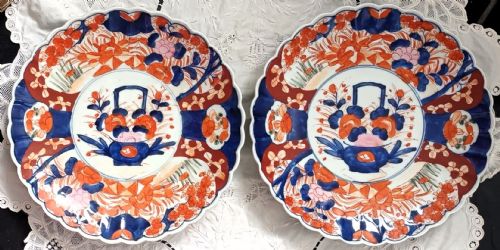


Oriental Porcelain Decor
Oriental porcelain decor brings together centuries of skilled kiln work and hand painting from China and Japan.
Oriental Porcelain Decor
Oriental porcelain decor encompasses items made for display and daily use across the nineteenth and twentieth centuries. When searching for oriental porcelain decor, buyers encounter vases, chargers, bowls, and plates originating from Chinese and Japanese workshops.
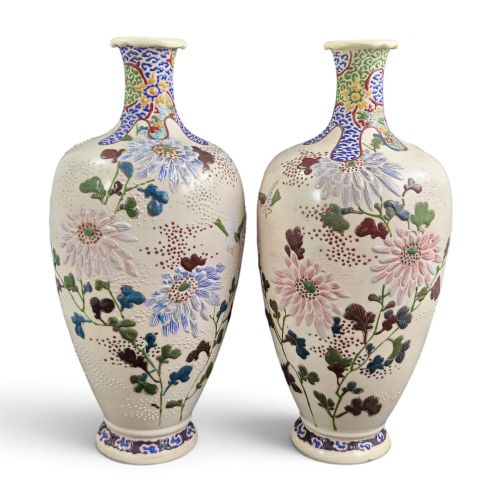
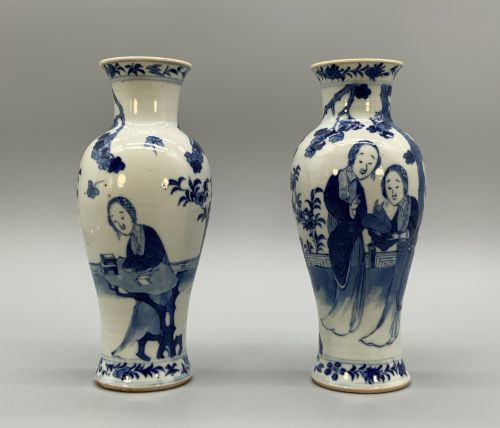
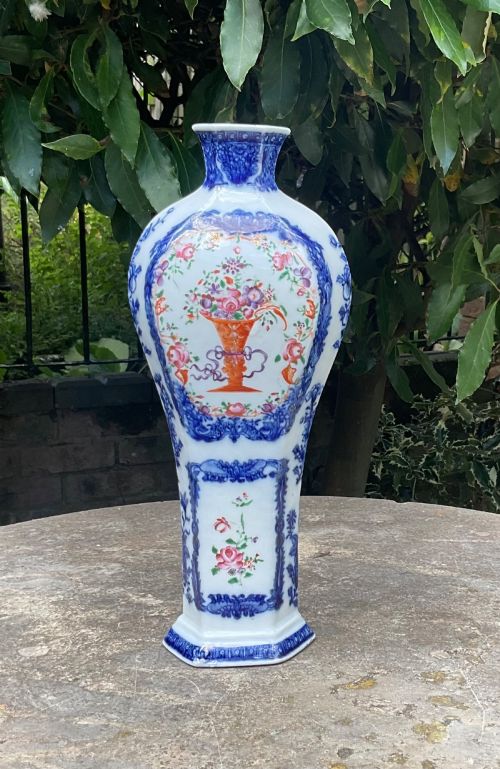
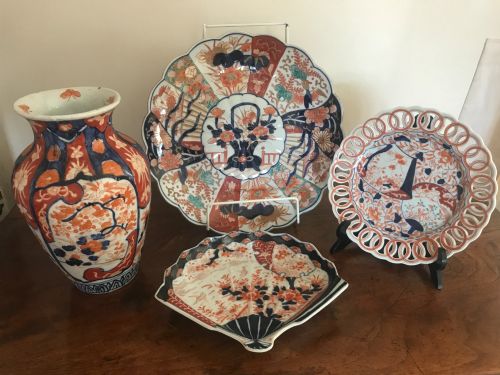
Japanese Imari pieces from the Meiji period dominate the selection, alongside Chinese export wares and Famille Rose ceramics. These pieces include paired vases, shaped dishes, and lidded vessels decorated with birds, floral motifs, and figural scenes.
Forms range from large chargers and flare-neck vases down to small incense holders and shell-shaped plates. Most surviving items date from the nineteenth century, with particular concentration around eighteen-eighty to nineteen-hundred.
What varies in quality
Quality rests on the precision of the hand painting, the clarity of the cobalt blue or enamel glaze, and the crispness of the gilt accents. Superior pieces display finely detailed motifs of exotic birds, figures, or botanical scenes executed with steady brushwork.
The weight of the porcelain body, the balance of the form, and the preservation of the gold leaf and enamel separate standard domestic wares from finer cabinet pieces.
Materials documented across the inventory include porcelain, enamel, gold leaf, glaze, gilt, and cobalt blue glaze.
The Oriental Porcelain Decor Glossary
- Imari
- A style of Japanese porcelain featuring a distinct palette of cobalt blue, iron red, and gilt highlights. The design typically incorporates floral and brocade patterns.
- Famille Rose
- A major family of Chinese porcelain palettes introduced in the eighteenth century, distinguished by opaque pink enamel colours derived from colloidal gold.
- Meiji Period
- The era of Japanese history lasting from eighteen-sixty-eight to nineteen-twelve, marked by increased export of decorative arts to Western markets.
- Charger
- A large decorative plate designed to be displayed on a wall or stand rather than used for serving food at the table.
- Kangxi Style
- A decorative approach echoing the high standards of the Kangxi emperor's reign in China, often featuring robust blue and white figural painting.
Oriental Porcelain Decor: Frequently Asked Questions
How do I clean antique porcelain decor?
Dust these pieces gently with a soft, dry brush to protect the delicate enamel and gilt surfaces from abrasion. Avoid using harsh chemical cleaners or submerging items with gold leaf in water.
For stubborn marks, use a damp cloth with mild soap and dry immediately with a lint-free towel.
How do I date Meiji period Imari?
Examine the paste, the vibrancy of the iron red, and the quality of the hand-applied gilding. Pieces from the late nineteenth century often feature dense brocade borders and clear cobalt underglaze.
Look at the foot rim for signs of age, such as kiln grit adhesion and natural wear on the base.
Can I display these plates on walls?
Chargers and decorative plates often feature sturdy construction suitable for wall mounting with appropriate, coated wire hangers. Ensure the hanger distributes the weight evenly across the rim and base without biting into the ceramic.
Keep wall-mounted pieces away from direct sunlight and strong heat sources to preserve the enamel colours.
What is the difference between Kutani and Imari?
Kutani wares generally showcase bold pictorial scenes rendered in thick enamel colours, often dominated by earthy reds and greens with gold detailing. Imari pieces rely on a stricter palette combining cobalt blue underglaze with iron red and gold overglaze.
Both styles emerged from distinct Japanese traditions during the nineteenth century but serve different visual effects in a room.