






Iron Red Blue Porcelain
Iron red blue porcelain brings together striking cobalt underglaze hues and vivid iron red enamels on ceramic bodies.
Iron Red Blue Porcelain
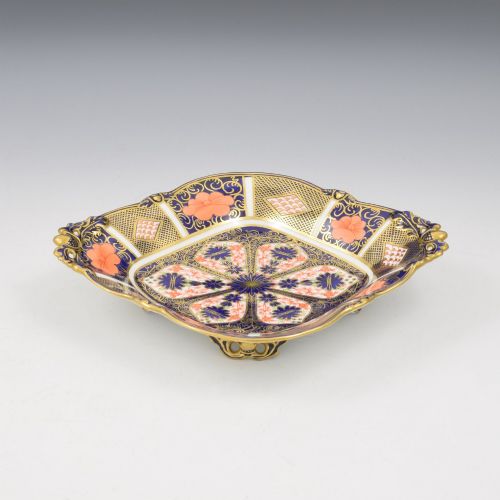
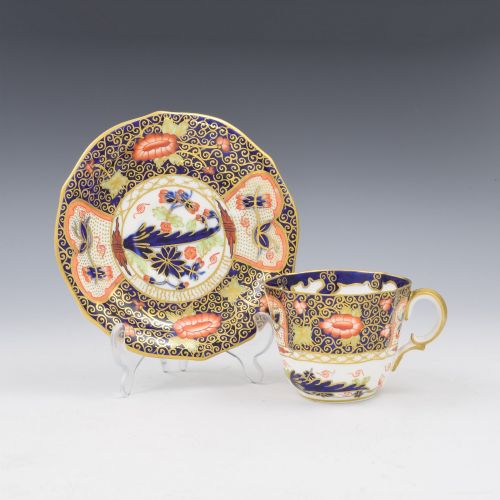
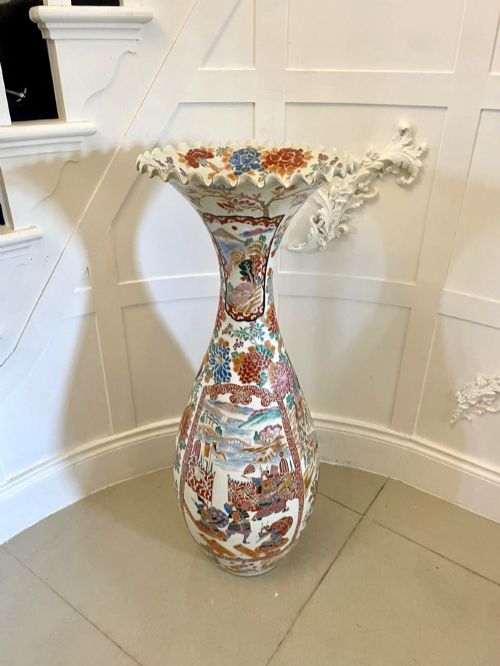
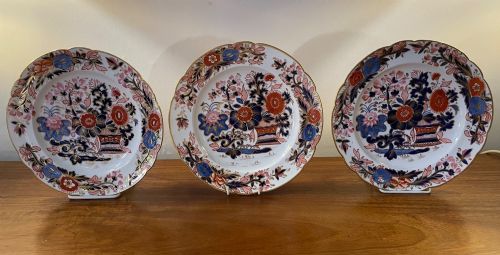
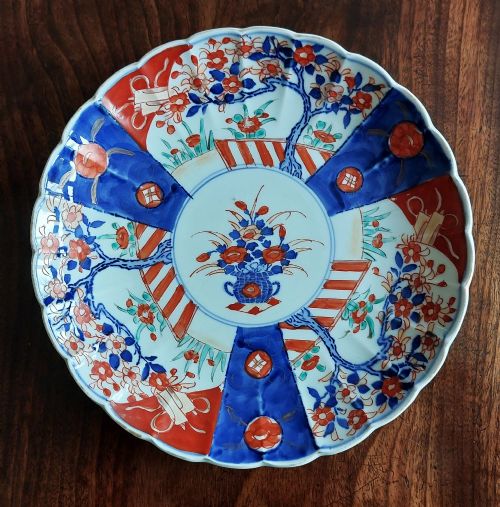
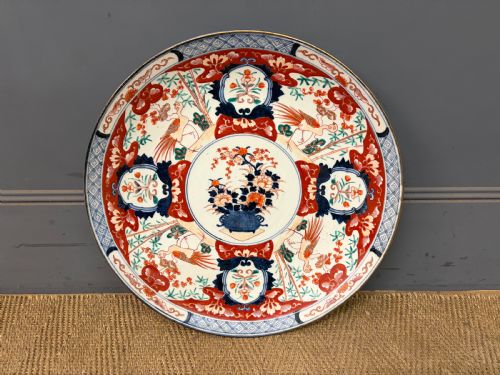
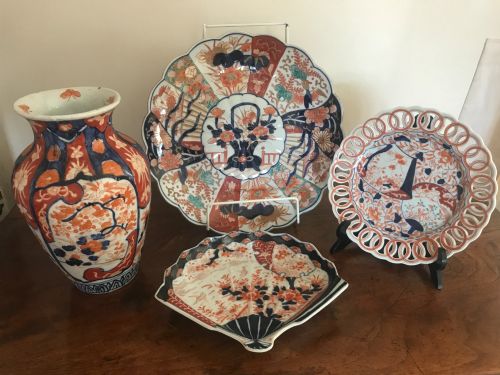
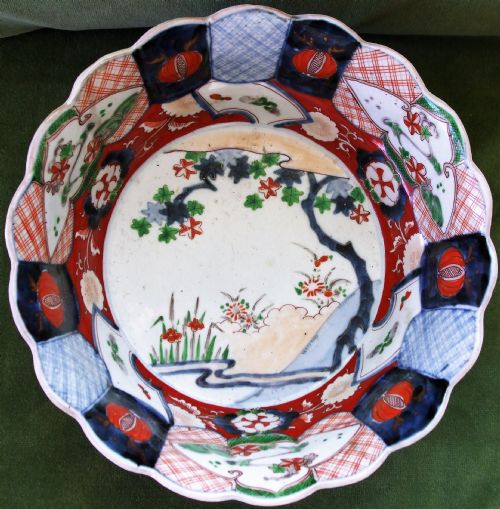
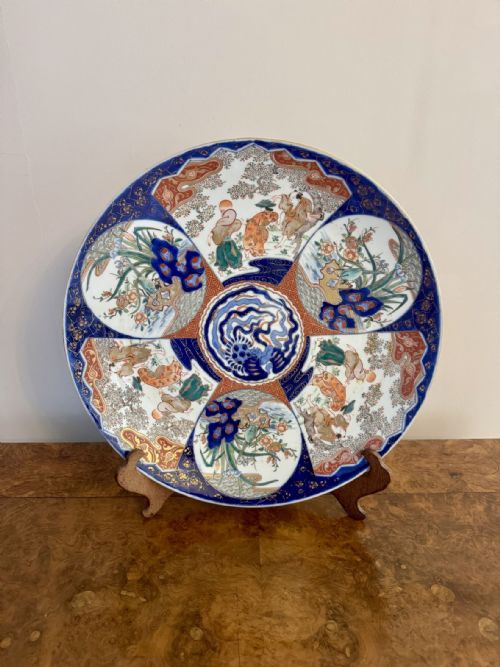
When buyers search for iron red blue porcelain, they find ceramics decorated in the distinctive Imari palette alongside Chinese and English wares. The selection here predominantly comprises Japanese Imari pieces from the Meiji period, featuring chargers, plates, bowls, and vases.
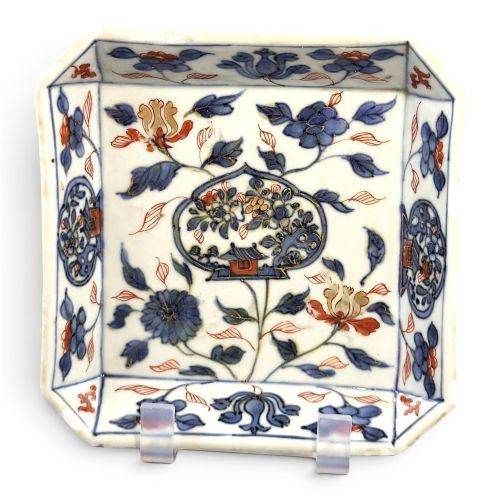
Alongside Japanese items, the inventory spans English bone china and porcelain from makers such as Royal Crown Derby and Stevenson & Hancock, plus earlier Chinese examples from the Qing dynasty. Forms range from small coffee cups and saucers to large floor-standing vases and decorative serving dishes.
How they were made
Potters shaped ceramic and porcelain bodies before applying cobalt underglaze blue and firing the pieces. Artisans then added iron red enamel and often gold leaf or gilding details in subsequent overglaze steps.
Many items incorporate hand-painted floral and bird designs, sometimes paired with scalloped edges or hexagonal moulding. Glazing techniques seal the colours, while select pieces utilise pierced ceramic work.
Exotic birds peer from porcelain branches across numerous plates, watching tea cups and saucer sets share the shelf.
What varies in quality
Quality rests in the crispness of the hand-painted cobalt blue underglaze and the vibrancy of the iron red enamel work. Superior pieces display precise brushwork on intricate floral and exotic bird motifs rather than hurried application.
The weight and refinement of the porcelain or bone china body also dictate standard, alongside the careful execution of gilding and gold leaf accents. Better examples maintain crisp moulding on scalloped edges and shaped rims.
Royal Crown Derby·Stevenson and Hancock
The Iron Red Blue Porcelain Glossary
- Imari palette
- A decorative scheme typically combining underglaze blue, iron red enamel, and gilding. This palette originated in Japan and was later adopted by English and European potteries.
- Meiji Period
- A Japanese historical era spanning from 1868 to 1912. Many decorative chargers and plates on this page originate from these decades.
- Underglaze blue
- Pigment applied to the ceramic body before glazing and firing. This cobalt blue rests beneath the clear glaze for lasting protection.
- Gilding
- The application of gold or gold leaf to ceramic surfaces for decorative enhancement. It frequently highlights rims and floral details.
- Bone china
- A type of soft-paste porcelain containing bone ash. English factories utilised this material for teacups, saucers, and serving trays.
Iron Red Blue Porcelain: Frequently Asked Questions
What is iron red blue porcelain?
These items are ceramic and porcelain objects decorated with cobalt blue underglaze and iron red enamel. Many follow the Imari tradition originating in Japan, while others stem from English and Chinese kilns.
Forms include plates, bowls, chargers, and vases produced across the nineteenth and early twentieth centuries.
How do I identify Meiji period pieces?
Meiji period items date from 1868 to 1912 during the rule of the Japanese emperor Meiji. Listings often denote these through hand-painted floral and bird motifs on porcelain chargers and dishes.
Stylistic markers include scalloped edges, hexagonal plates, and distinct Japanese Imari aesthetics.
Can I use these decorative plates daily?
Most antique pieces function best as decorative display items, chargers, or serving dishes rather than heavy everyday tableware. Hand washing helps preserve delicate enamel colours and gilding.
Careful placement on stable surfaces protects older ceramic bodies from accidental chips and cracks.
How do English and Japanese Imari differ?
Japanese examples usually feature traditional Meiji period motifs like exotic birds and floral arrangements on porcelain bodies. English versions, such as those from Derby, often utilise bone china with similar Imari palettes.
English pieces frequently include patterns numbered by the factory, while Japanese items rely on stylistic periods.