






Orange Porcelain Display Bowl
An orange porcelain display bowl brings striking colour and intricate pattern into a room, offering both decorative presence and historic charm.
Orange Porcelain Display Bowl
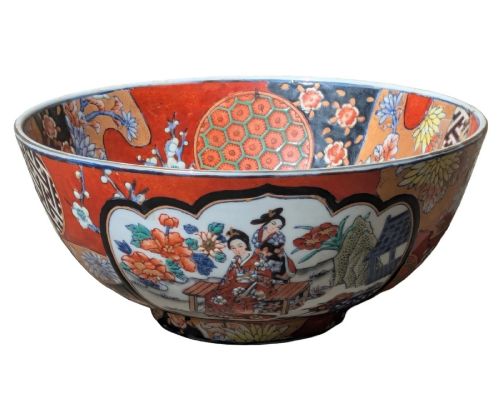
An orange porcelain display bowl unites vibrant tones with traditional forms, originating primarily from Japanese Imari workshops and British factories. These pieces serve as striking decorative objects designed to be shown on tables, sideboards, or walls rather than for everyday dining.
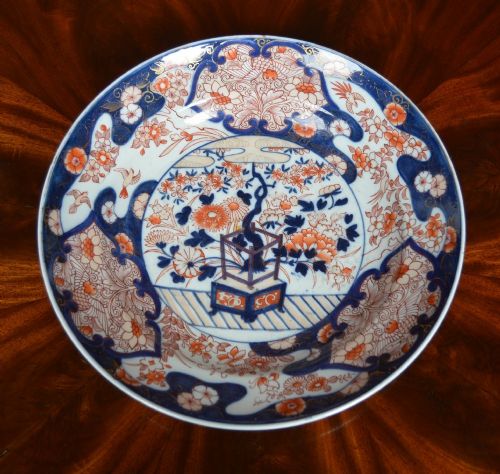
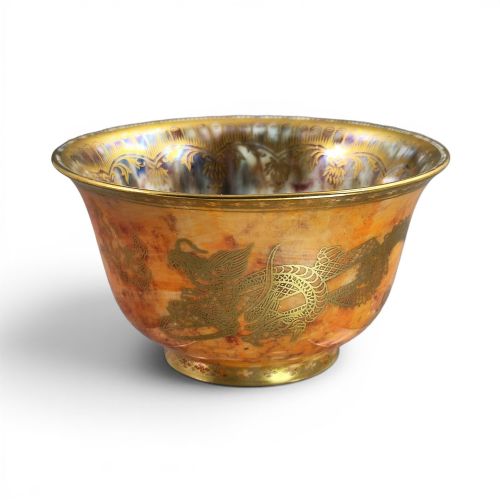
Japanese Imari examples dominate the selection, bringing characteristic iron-red and orange tones alongside cobalt blue and gold leaf highlights. Alongside these stand British interpretations utilising specialised orange glaze and lustre techniques from the early twentieth century.
How they were made
Potters shaped fine porcelain and bone china on the wheel or pressed earthenware into moulds to create balanced display vessels with smooth surfaces. Craftsmen then applied detailed enamel decoration by hand, often incorporating scalloped edges and geometric or floral motifs.
Makers elevated the visual impact through the application of gilding, gold leaf, and gold gilt accents that catch the light against the orange glaze. Lustre finishes were also utilised during the Edwardian period to produce a mottled, iridescent surface effect on the ceramic body.
Orange Porcelain Display Bowl Retail Price Guide 2026
Typical asking prices for orange porcelain display bowl among the pieces listed under this phrase on Sellingantiques today, from the lower quarter to the upper quarter. They describe what is for sale here now, not the wider market.
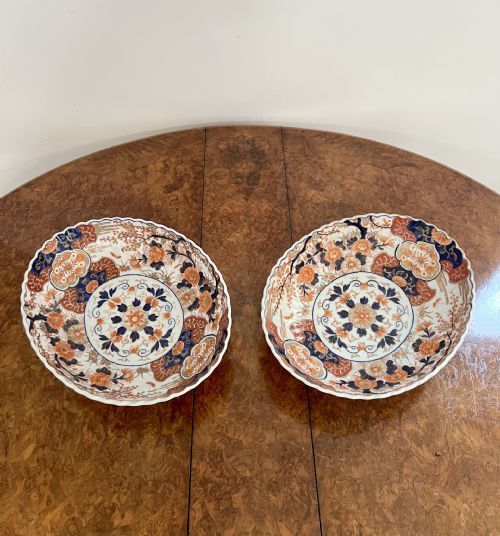
Object forms include round decorative bowls, hexagonal vessels, scalloped edge dishes, and matching pairs of plates.
What varies in quality
The refinement of the painted ornament separates standard production from superior examples, with finer brushwork showing greater control and depth. The application of gold leaf and gilding dictates much of the visual richness, where thicker, more deliberate metallic highlights elevate the piece.
Structural variety also influences worth, as seen in the precision of scalloped edges, hexagonal symmetry, and the overall weight of the porcelain body. Pieces demonstrating crisper moulding and more complex glazing require greater technical skill from the maker.
Daisy Makeig-Jones·Wedgwood
The Orange Porcelain Display Bowl Glossary
- Imari
- A style of Japanese export porcelain originating from Arita, traditionally decorated in underglaze blue, iron-red orange, and gold. This aesthetic heavily influenced European ceramics during the subsequent centuries.
- Lustre
- A type of ceramic glaze that imparts a metallic sheen or iridescent appearance to the surface through the reduction of metallic oxides during firing. It was particularly favoured by British makers in the early twentieth century.
- Bone china
- A type of soft-paste porcelain composed of bone ash, feldspathic material, and kaolin, known for its high strength, translucency, and smooth white body.
- Gilding
- The decorative application of gold leaf or gold powder to the surface of porcelain to highlight rims, patterns, and moulded details.
- Showa Period
- The period of Japanese history corresponding to the reign of Emperor Hirohito, noted in ceramics for continuing traditional export forms alongside modern manufacturing shifts.
Orange Porcelain Display Bowl: Frequently Asked Questions
What periods do these orange porcelain display bowls come from?
The pieces span from the nineteen-hundreds through the Edwardian era up to the nineteen-thirties. This range covers both late Meiji and Showa period Japanese exports alongside early twentieth-century British lustre ware.
Buyers will find that items from the turn of the century predominantly feature traditional Japanese Imari patterns, while slightly later examples showcase British experimentation with orange glazes and lustres.
How were these bowls originally displayed?
These decorative vessels were intended for visual display on sideboards, mantelpieces, and cabinet shelves rather than practical dining use. Their striking orange and red tones allowed them to act as focal points in period interiors.
Plates and bowls often featured scalloped edges or hexagonal shapes designed to catch the light and showcase the detailed enamel work from across a room.
How do I distinguish Japanese Imari from British lustre ware?
Japanese Imari examples rely on a combination of iron-red orange, cobalt blue, and gold leaf applied in dense floral and geometric layouts. The porcelain body is typically crisp and traditional to export standards of the era.
British lustre pieces, by contrast, focus on mottled orange surfaces created through specialised glazing techniques rather than traditional hand-painted Imari panels.
Are these bowls suitable for everyday use?
These pieces are primarily decorative display items featuring delicate enamel work, gold leaf, and historical glazes that warrant careful handling. Daily dining use can risk wearing away the fine hand-painted details and gilding.
Living with them involves placing them securely on stable surfaces away from heavy traffic areas where they can be appreciated purely as visual art.