
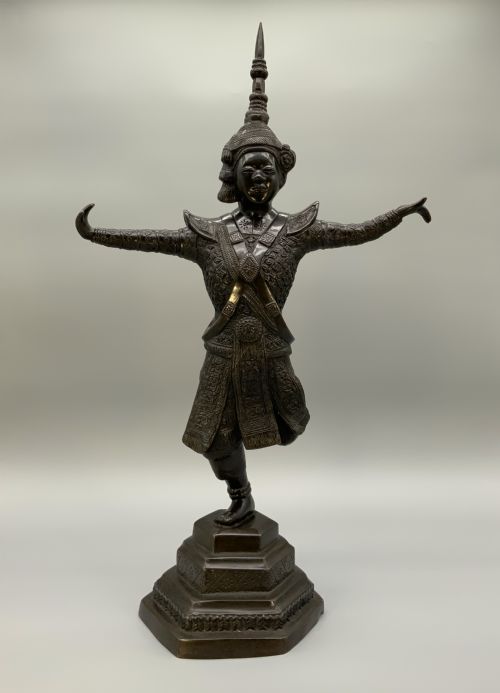


Oriental Metal Sculpture
Oriental metal sculpture encompasses cast bronze, brass, and mixed-metal figures and vessels that bring centuries of Asian artistry into a room.
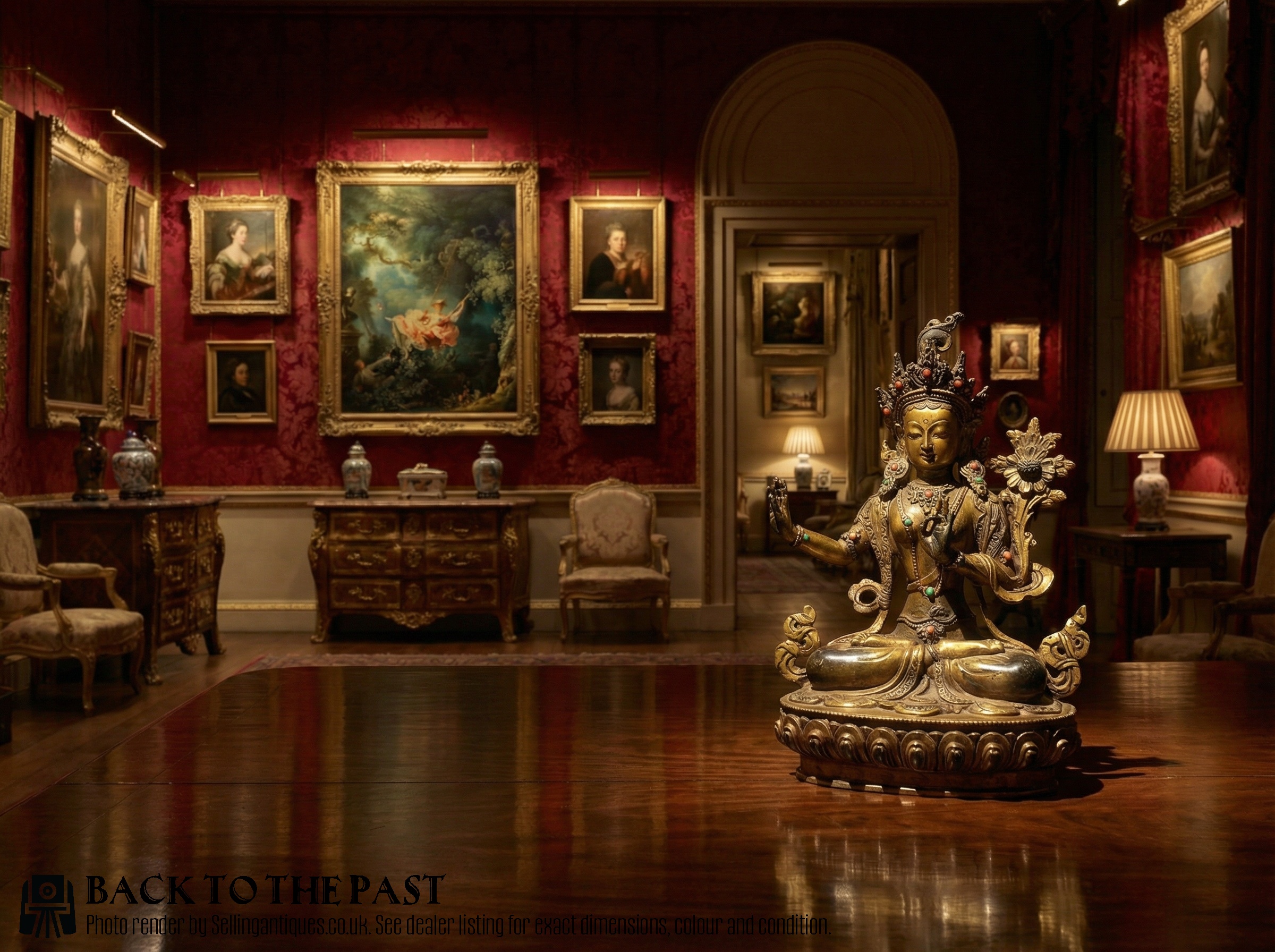
Oriental Metal Sculpture
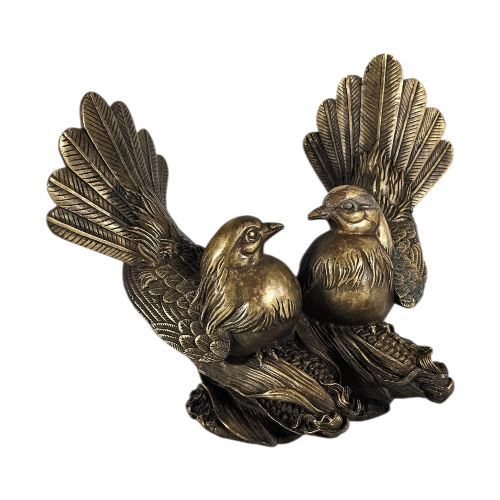
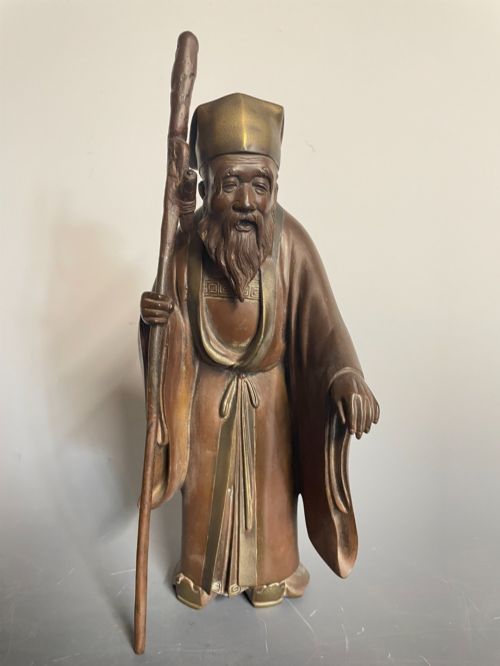
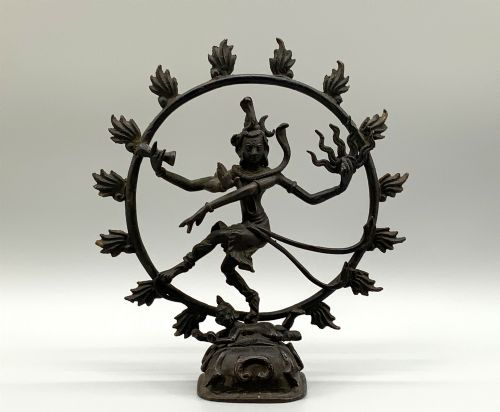
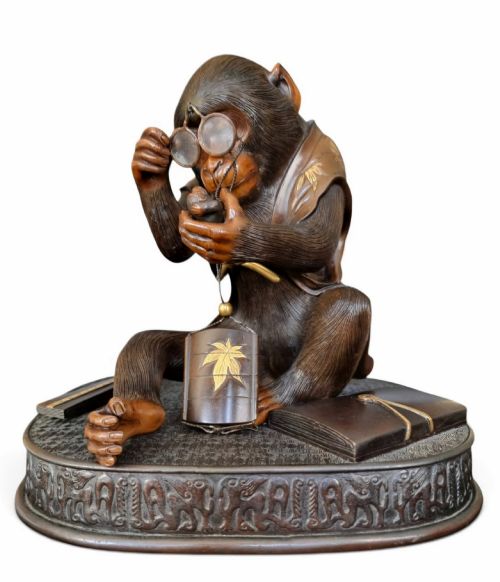
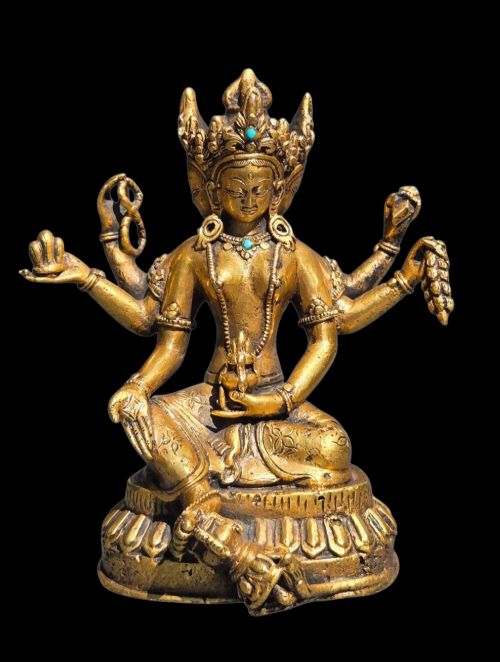
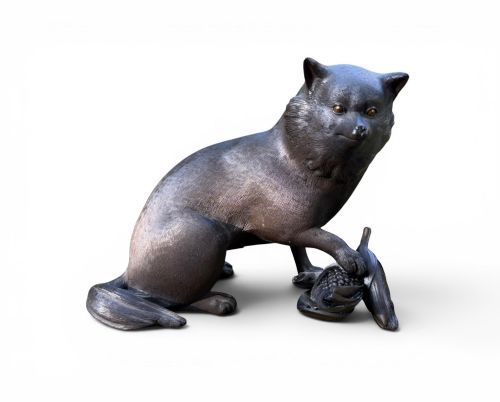
Oriental metal sculpture covers a diverse range of figures, animals, and temple objects originating from China, Japan, Tibet, India, Thailand, and Burma. When exploring oriental metal sculpture, collectors encounter deities, temple lions, birds, and narrative okimono figures cast in various metallic alloys.
The pieces span multiple centuries, with the majority originating from the nineteenth century through to the early twentieth century. These works take the form of freestanding statues, altar figures, decorative vases, and animal pairs designed for display.
Origins include distinct regional schools such as the Meiji period in Japan, Qing dynasty China, and Sino-Tibetan workshops. Each cultural centre imparts specific stylistic conventions and iconography to the metalwork.
Materials and Casting Techniques
The primary material used across these pieces is bronze, supplemented by brass, cast iron, copper alloy, and gilt bronze. Metal is worked through traditional casting methods, often utilising lost-wax techniques to achieve intricate detail.
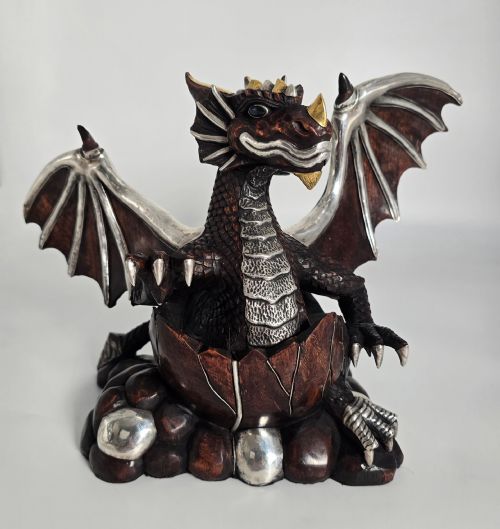
Surface decoration frequently involves applied gold inlay, silver highlights, and mixed-metal components. Artisans finish surfaces through patination, polishing, or gilding to enhance the visual depth of the metal.
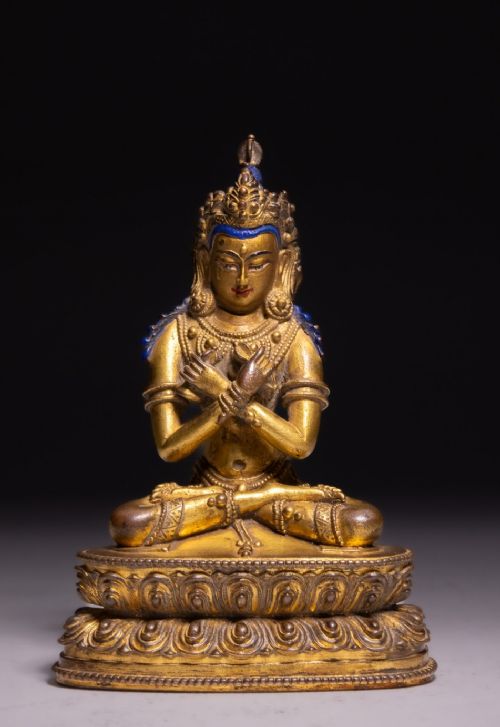
Listings feature 19th-century Japanese bronze okimono depicting animals and figures alongside Chinese cast iron and gilt-bronze Buddhist deities.
Judging Quality in Oriental Metalwork
Quality reveals itself in the crispness of the casting and the finesse of the hand-chased surface details. Superior pieces display anatomical precision in figures and animals, whereas lesser examples show softer definition and rushed finishing.
The integration of mixed metals and inlaid elements separates standard production pieces from masterworks. Heavier, substantial castings with intentional patination indicate higher workshop standards.
Genryusai Seiya
The Oriental Metal Sculpture Glossary
- Okimono
- A Japanese decorative statue designed for display on a shelf or in a tokonoma alcove. These objects depict animals, figures, and scenes from daily life.
- Gilt Bronze
- Bronze metal coated with a thin layer of gold or gold amalgam. This technique adds a radiant finish to Buddhist deities and temple ornaments.
- Patination
- The chemical or natural alteration of a metal surface over time. Artisans often induce patination to create subtle brown, green, or black tones.
- Sino-Tibetan
- An artistic style blending Chinese aesthetic refinement with Tibetan Buddhist iconography. This fusion appears frequently in ritual figures and temple bronzes.
- Mixed Metal
- An alloy combination or the assemblage of different metals within a single object. Artisans utilise contrasting metals like copper, brass, and silver to create tonal variation.
Oriental Metal Sculpture: Frequently Asked Questions
How do I identify a Sino-Tibetan sculpture?
Sino-Tibetan sculptures combine Tibetan Buddhist iconography with the refined casting techniques of Chinese imperial workshops. They often feature gilt-bronze surfaces and characteristic facial expressions.
These figures frequently represent deities, lamas, or mythological beasts intended for ritual or devotional use.
What is mixed-metal sculpture?
Mixed-metal sculpture incorporates more than one metallic element or alloy within a single composition. Artisans inlay copper, silver, and brass into a bronze or iron base.
This technique creates contrasting colours and textures across the surface of the artwork.
How should I clean antique bronze?
Antique bronze requires minimal intervention to preserve its historical patination. Dusting with a soft, dry cloth is usually sufficient for regular maintenance.
Avoid using harsh chemical polishes, as they strip away the aged surface layers that collectors value.