




Antique Religious Bronze Sculpture
These antique religious bronze sculpture works bring devotional presence into a room, spanning Eastern and European traditions from domestic shrines to grand figures.
Antique Religious Bronze Sculpture
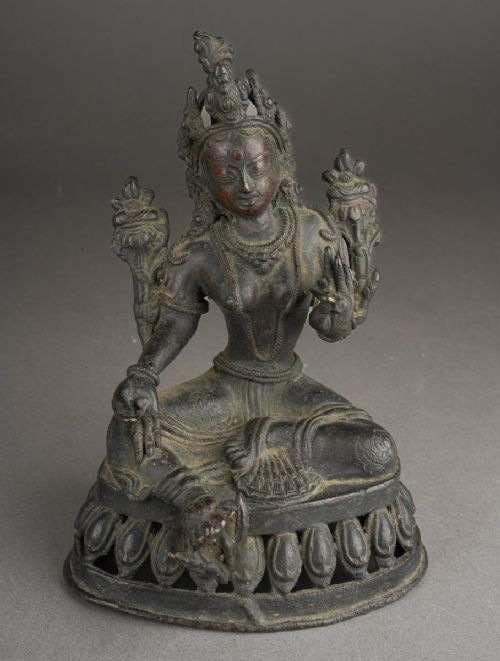
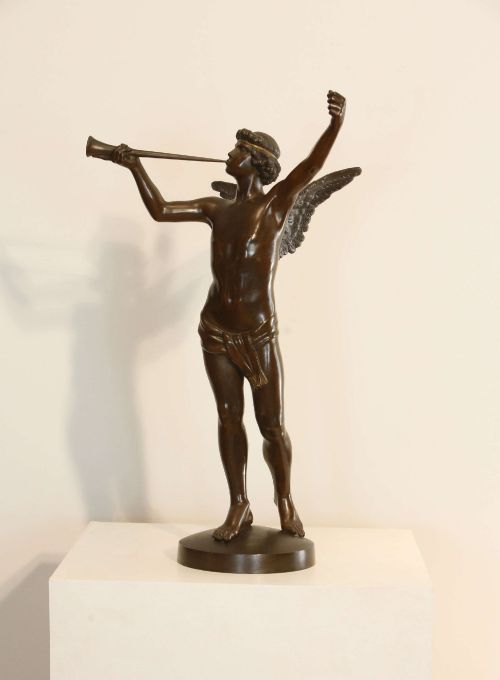
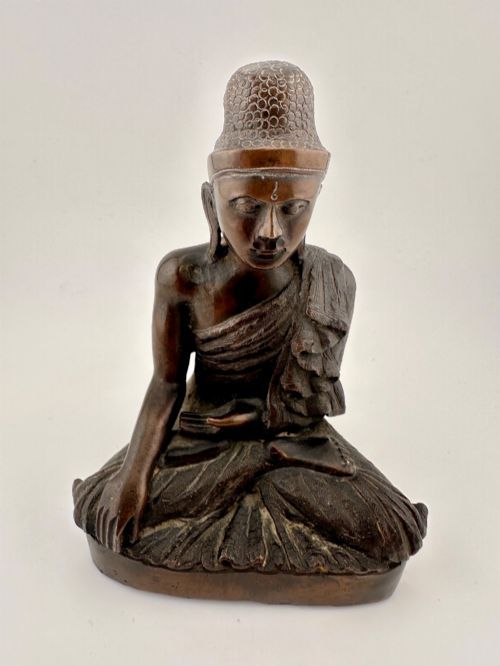
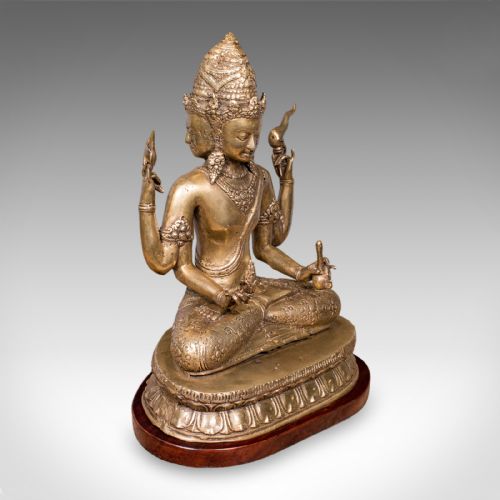
An antique religious bronze sculpture carries the weight of ritual devotion across various global traditions, most frequently appearing in forms originating from nineteenth-century India, Tibet, Burma, and Europe.
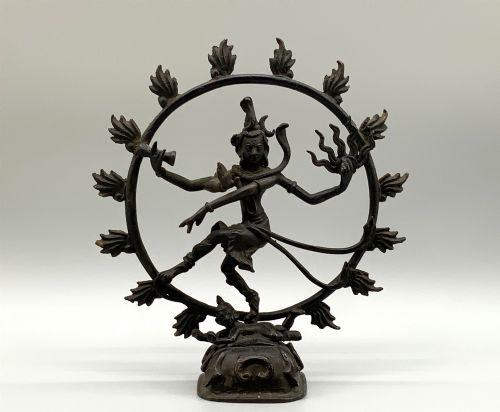
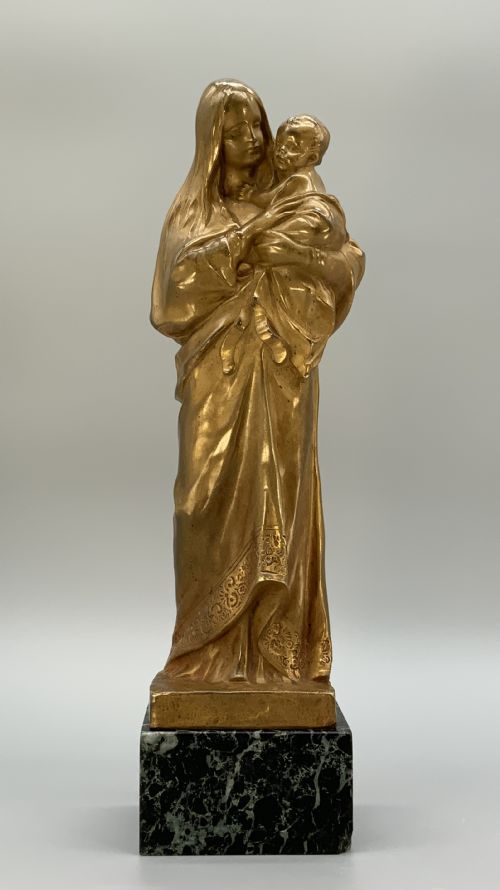
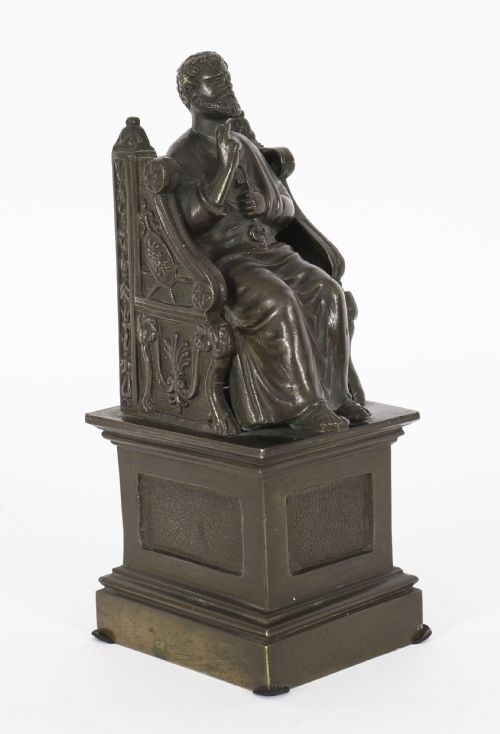
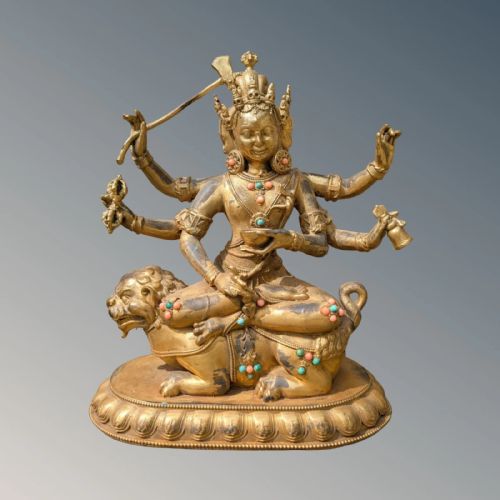
Buyers encounter figures ranging from compact Himalayan shrine statues and Balinese icons to European patinated bronze busts of Jesus Christ and depictions of saints.
The selection encompasses devotional statuary produced from the seventeenth century through to nineteen hundred, encompassing both Eastern deities and Christian iconography.
How they were made
Foundries shaped these works using cast bronze, copper alloy, and gilt bronze, occasionally incorporating secondary materials such as silver, marble, wood, turquoise, and coral.
Surfaces receive specific treatments including patination, polishing, or gilding to enhance the visual depth of the metal.
The execution ranges from solid cast regional studies to finely detailed European works bearing distinct foundry or artist attribution.
Antique Religious Bronze Sculpture Retail Price Guide 2026
Typical asking prices for religious bronze sculpture among the pieces listed under this phrase on Sellingantiques today, from the lower quarter to the upper quarter. They describe what is for sale here now, not the wider market.
Several figures require careful weight management, with the heaviest Indian statue tipping the scales at four kilograms.
What varies in quality
Examples at the upper end display sophisticated surface patination and intricate detailing of garments and ornaments, while simpler pieces rely on heavier, solid casting with minimal embellishment.
Hans Müller·George Minne·Gian Federigo Bonzagna
The Antique Religious Bronze Sculpture Glossary
- Patinated bronze
- Bronze that has been treated chemically or naturally to produce a decorative surface colour or finish. This treatment protects the metal and adds tonal depth to the sculpture.
- Gilt bronze
- Bronze coated with a thin layer of gold or gold leaf. This technique creates a luminous, reflective surface often used on sacred figures.
- Mudra
- A symbolic or ritual gesture in Hinduism and Buddhism performed with the hands and fingers. Different mudras convey specific teachings or states of mind.
- Copper alloy
- A metal mixture containing copper combined with elements such as tin or zinc. It serves as the base material for numerous historical Asian statues.
- Grand Tour
- A traditional trip through Europe undertaken by upper-class young men in the eighteenth and nineteenth centuries. Travellers frequently collected small bronzes and antiquities as souvenirs.
Antique Religious Bronze Sculpture: Frequently Asked Questions
How old are these sculptures?
The pieces span several centuries, with the majority originating from the nineteenth century alongside select examples dating back to the sixteenth and seventeenth centuries.
Specific dates or periods are typically attributed based on regional stylistic traits, casting techniques, and traditional iconographic forms.
Are these figures solid bronze?
Many examples are cast as solid metal, while others utilise hollow casting methods common in traditional foundries across Asia and Europe.
Materials also include copper alloys and gilt surfaces over the base metal, depending on the region and period of origin.
What traditions do these pieces represent?
The selection includes both Eastern and Western religious traditions, featuring Buddhist and Hindu deities alongside Christian saints and biblical figures.
Asian regions represented include Tibet, Nepal, India, Burma, Thailand, and Java, while European works reflect Italian, French, and Austrian craftsmanship.
How should I display a bronze sculpture?
These sculptures suit stable, flat surfaces such as cabinets, shelves, or dedicated shrines where their weight and material presence can be appreciated.
Placement should avoid excessive moisture and direct handling to preserve the historic patination and surface finishes.