



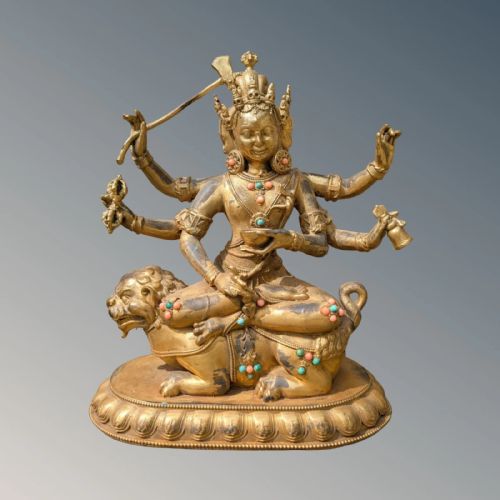


Tibetan Bronze Sculpture
Tibetan bronze sculpture brings sacred Himalayan deities into your space with profound metalwork and centuries of devotion.
Tibetan Bronze Sculpture
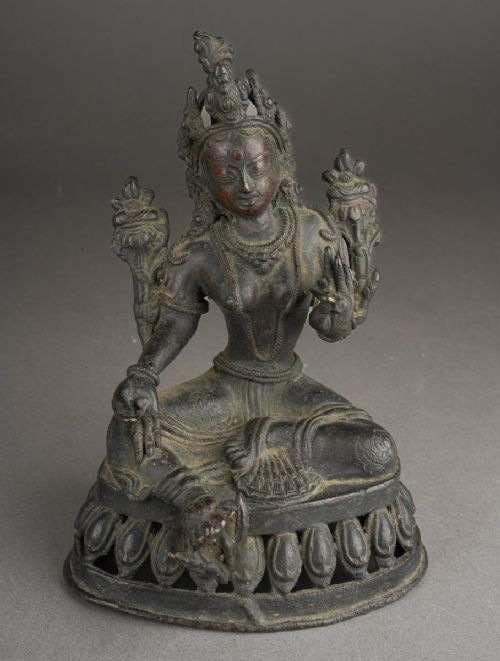
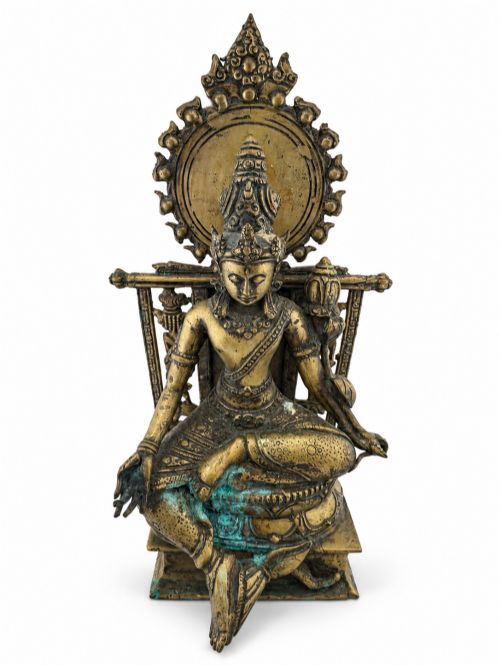
When you search for tibetan bronze sculpture, you encounter figures of Buddhist deities, protectors, and lamas spanning several centuries. These pieces function as sacred icons, originating from monastic shrines and domestic altars across the Himalayan region.
The selection here ranges from early devotional works created in the sixteenth and seventeenth centuries through to larger temple bronzes and shrine statues from the nineteenth and twentieth centuries. Sino-Tibetan styles appear frequently, blending traditional Tibetan iconography with Chinese imperial metalworking techniques.
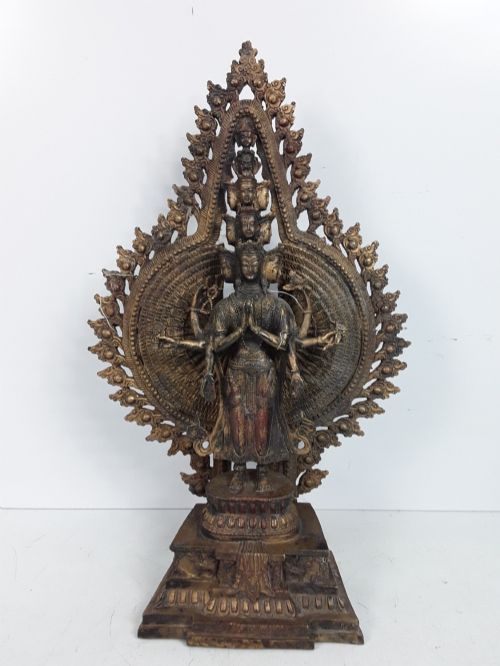
Common forms include seated Buddhas, multi-armed deities such as Avalokiteshvara and Tara, and pairs of temple lions or protective guardians. Each sculpture represents specific spiritual qualities and theological narratives deeply rooted in Buddhist art.
Materials and construction
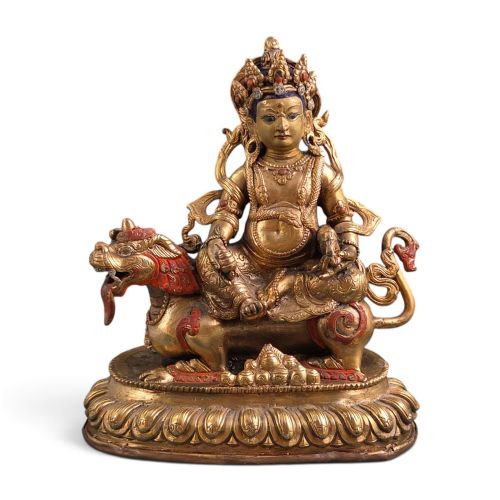
Metalcasters typically utilised copper alloy, bronze, and brass, often applying a rich layer of gold gilt over the cast surface to signify sacred importance. These techniques required sophisticated lost-wax casting methods capable of rendering intricate garments, lotus bases, and facial expressions.
Makers frequently enhanced the surfaces with cold-painted pigments, coral, turquoise, and other mineral inlays to highlight details such as hair, eyes, and jewellery. The combination of heavy bronze casting with delicate stone settings defines the physical substance of these works.
Tibetan Bronze Sculpture Retail Price Guide 2026
Typical asking prices for tibetan bronze sculpture among the pieces listed under this phrase on Sellingantiques today, from the lower quarter to the upper quarter. They describe what is for sale here now, not the wider market.
Materials recorded across the inventory include gilt bronze, brass, copper alloy, turquoise, coral, and applied pigments.
Assessing craftsmanship and detail
The application of gilt and the careful placement of mineral inlays distinguish fine ritual objects from commercial decorative wares. Proportions that adhere strictly to traditional iconographic canons demonstrate a higher degree of artisan training and religious intent.
The Tibetan Bronze Sculpture Glossary
- Gilt Bronze
- Metal cast from a copper alloy and coated with a thin layer of gold. This finish was reserved for important sacred figures to denote purity and divinity.
- Iconography
- The visual symbols and attributes associated with a specific deity. Understanding these traditional markers helps identify particular Buddhas and bodhisattvas.
- Lost-wax casting
- A method where a wax model is melted out of a mould and replaced with molten metal. This technique allows for complex, undercut forms and fine surface detail.
- Sino-Tibetan
- A stylistic classification denoting art produced under Chinese imperial patronage or influence that incorporates Tibetan Buddhist subjects. These pieces often show refined technical skill and courtly aesthetic elements.
Tibetan Bronze Sculpture: Frequently Asked Questions
What is tibetan bronze sculpture?
Tibetan bronze sculpture comprises cast metal figures representing Buddhist deities, lamas, and protective guardians originating from the Himalayan region. These works served as objects of veneration in monasteries and household shrines.
The figures depict complex theological narratives through traditional iconography, utilising bronze, copper alloy, and gilt surfaces to convey spiritual power and devotion.
How were these sculptures used?
Monks and practitioners used these sculptures as focal points for meditation, ritual worship, and offerings within sacred spaces. They inhabited monastery altars and private shrines to inspire spiritual practice.
Larger figures often stood as temple guardians or primary objects of devotion, while smaller portable pieces travelled with teachers and pilgrims.
How do I display them at home?
Display these sculptures on stable surfaces away from direct sunlight and excessive moisture to protect delicate gilt surfaces and mineral inlays. Allowing adequate space around the piece highlights its sculptural form and ritual presence.
Pairing a single deity or a pair of temple lions with simple surroundings lets the craftsmanship and material depth command attention.