

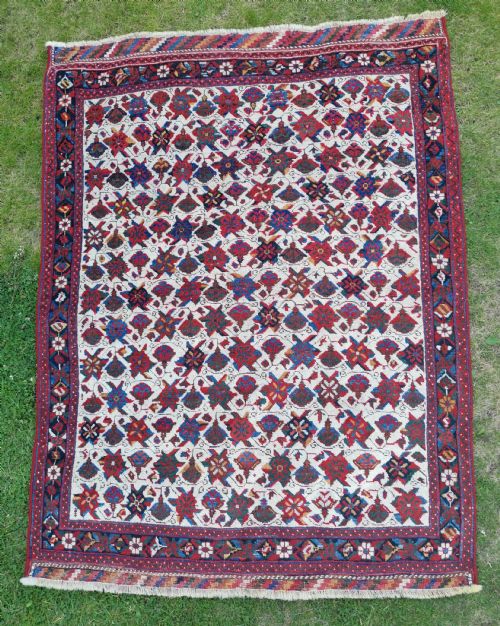
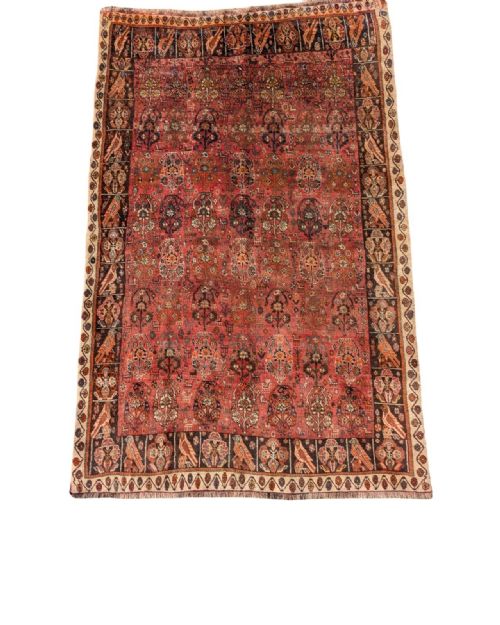
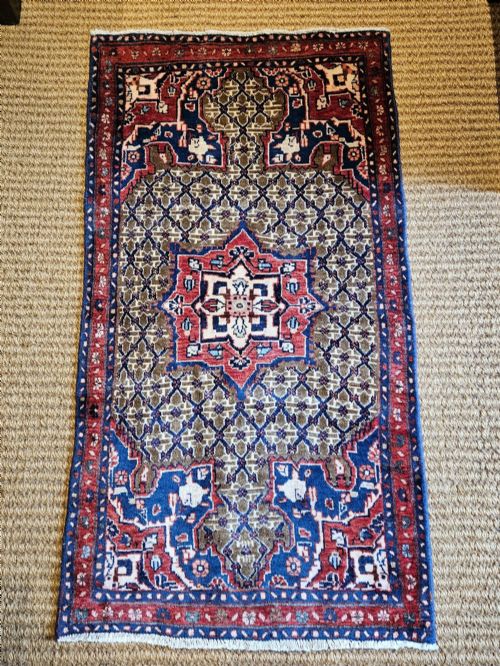
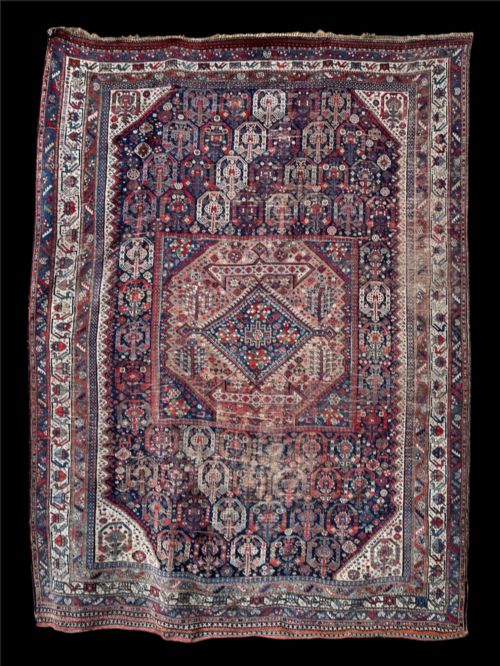


Oriental Floor Mat
An oriental floor mat brings grounded texture and traditional pattern to a room, drawing on centuries of weaving heritage from Persia, the Caucasus, and Central Asia.
Oriental Floor Mat
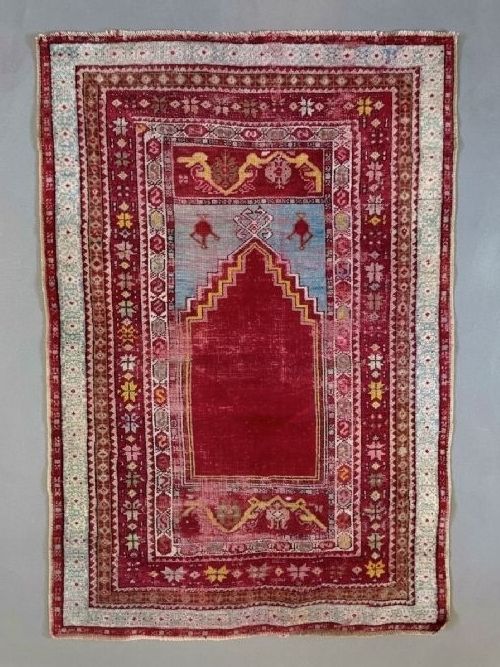
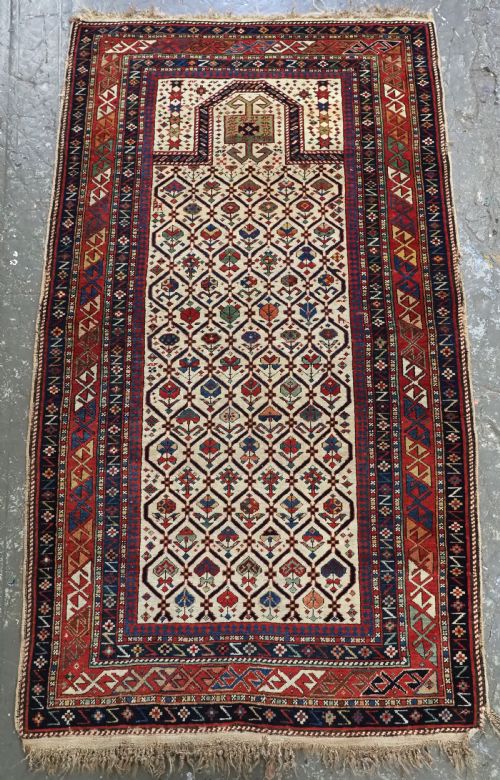
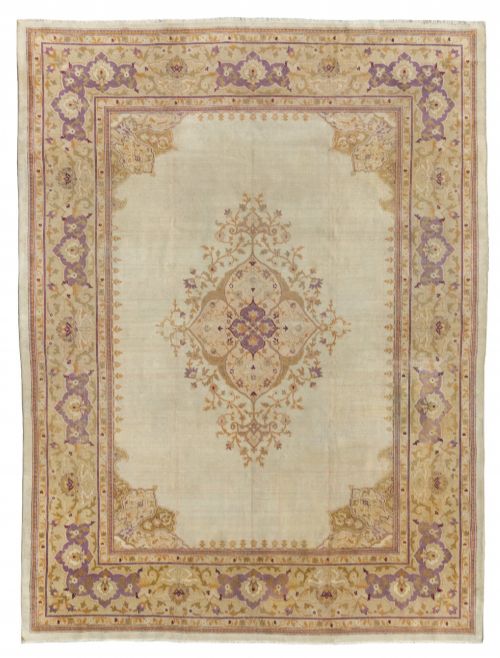
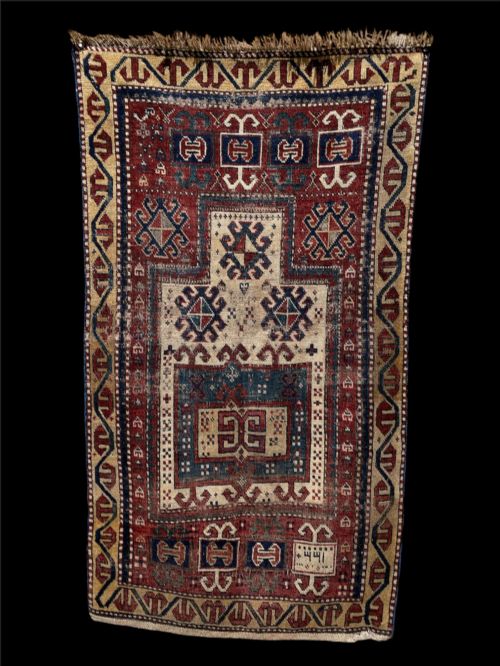
When buyers search for an oriental floor mat, they encounter hand-knotted and woven textiles designed for domestic use as rugs, carpets, hallway runners, and prayer rugs. These pieces span from the late nineteenth century through to the interwar decades of the twentieth century.
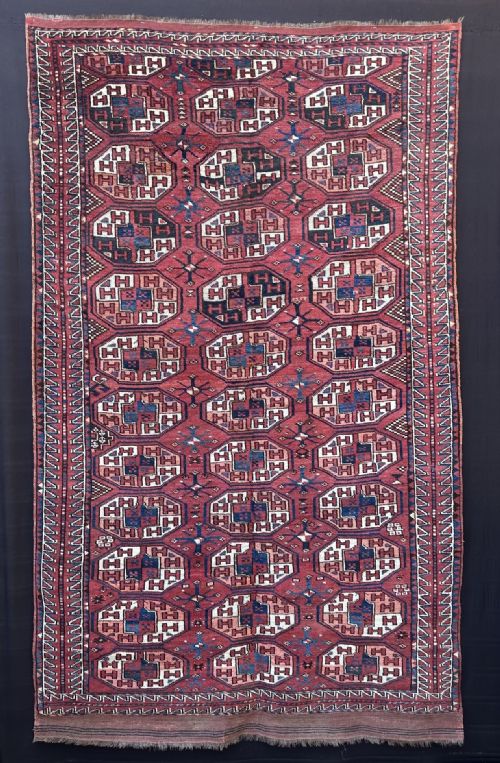
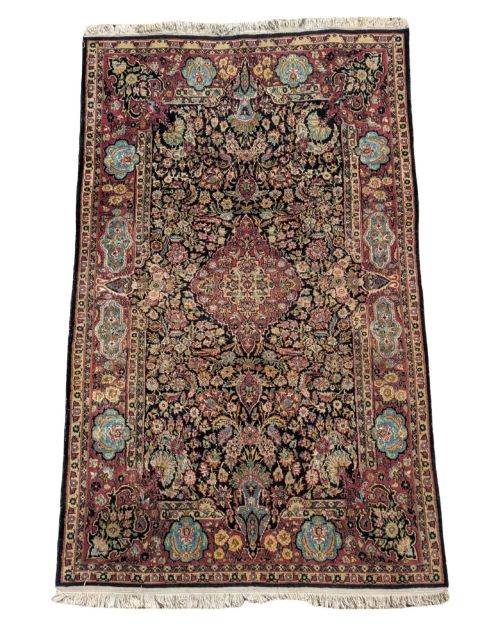
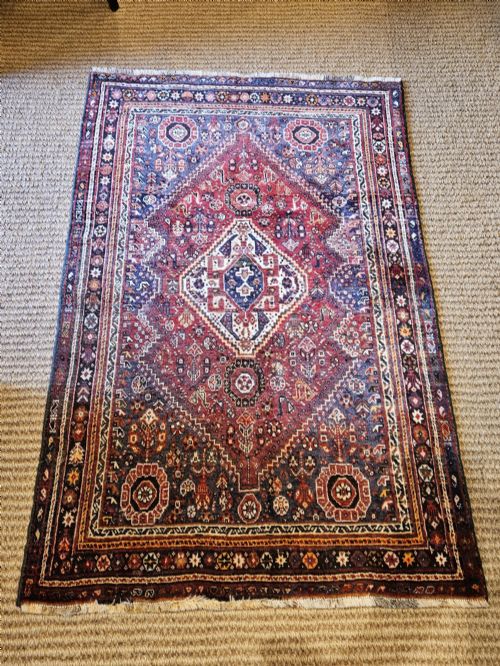
The selection encompasses village and tribal artistry alongside city workshops, featuring names such as Heriz, Kashan, Afshar, and Baluch. Buyers are most likely to meet room-sized carpets, hearth-sized rugs, and smaller geometric prayer formats originating from Anatolia, Persia, and the Caucasus.
How they were made
Weavers constructed these textiles primarily using wool, cotton, and silk, often employing hand-spun wool and natural dyes to achieve depth in the pile. Foundation warps andwefts commonly utilise cotton or wool, bound together in knotting techniques characteristic of specific regional traditions.
The materials reflect the geography of their makers, from nomadic flocks yielding robust wool to city ateliers utilising silk highlights and intricate cotton foundations. Natural dyestuffs provide the characteristic palette seen across Caucasian, Persian, and Turkmen pieces.
Peacocks and assorted animals occasionally peer out from nineteenth-century Afghan compositions, reminding weavers of local fauna.
What varies in quality
Quality rests in the precision of the knotting, the integrity of the materials, and the stability of the pile. Finer wools and silk highlights distinguish accomplished city workshops from heavier, utilitarian village weaving.
The depth and nuance of the natural dyes used in the design separate exceptional examples from standard production. Structural survival through the decades also dictates standing, particularly where edges and foundations remain intact.
Kizyl Ayak Tribe·Baharlu Tribe·Arab-jabbareh Tribe
The Oriental Floor Mat Glossary
- Prayer rug
- A small format textile featuring a mihrab or niche design, historically used for individual devotion. These pieces often display specific regional iconography unique to Caucasian or Anatolian weavers.
- Gul
- A repeating octagonal medallion motif frequently found in Turkmen and Central Asian tribal weaving. It serves as an identifying crest for specific clans and confederacies.
- Mihrab
- The arched architectural niche depicted on prayer rugs, oriented toward Mecca during use. Its shape varies distinctly between Baluch, Dagestan, and Afghan traditions.
- Runner
- A long, narrow carpet format designed specifically for hallways and corridors. They often employ continuous repeating geometric or floral patterns.
- Kilim
- A flat-woven textile produced without a pile by tightly interweaving warp and weft strands. These pieces offer lighter floor coverings with crisp, graphic designs.
Oriental Floor Mat: Frequently Asked Questions
How do I clean an antique rug?
Gentle surface brushing and professional specialist washing preserve the natural wool fibres and dye integrity. Avoid harsh chemical immersion or modern mechanical scrubbing.
Regular low-suction vacuuming without a rotating beater bar prevents dust accumulation in the pile foundation. Professional assessment ensures that fragile nineteenth-century textiles receive appropriate care.
Where were these rugs made?
The listings encompass workshops and tribal regions across Persia, the Caucasus, Anatolia, and Central Asia. Specific origins range from Heriz and Kashan to Dagestan and Turkmenistan.
Each region developed distinct palettes, knotting densities, and geometric or floral motifs. These local traditions allow specialists to attribute pieces to particular villages or nomadic confederacies.
What is the difference between a village and city rug?
Village and tribal rugs typically feature bolder geometric patterns, thicker hand-spun wool, and spontaneous designs created without pre-drawn cartograms. They reflect local heritage and practical domestic utility.
City carpets display refined floral symmetry, finer knot counts on cotton foundations, and intricate medallion layouts. Professional ateliers in centres like Kashan or Bidjar planned these sophisticated compositions in advance.
Can I place these rugs in high traffic areas?
Robust village and tribal carpets constructed from sturdy hand-spun wool handle moderate hallway and living room placement well. Heavier piles absorb daily wear while maintaining structural integrity.
Delicate silk highlights or fragile nineteenth-century prayer formats suit low-traffic display spaces or wall hanging. Using a quality underlay prevents slipping and cushions the foundation against floor friction.