

Vintage Wool Mat
A vintage wool mat offers tactile warmth and rich colour, bringing historical nomadic and village weaving directly onto the floor.
Vintage Wool Mat
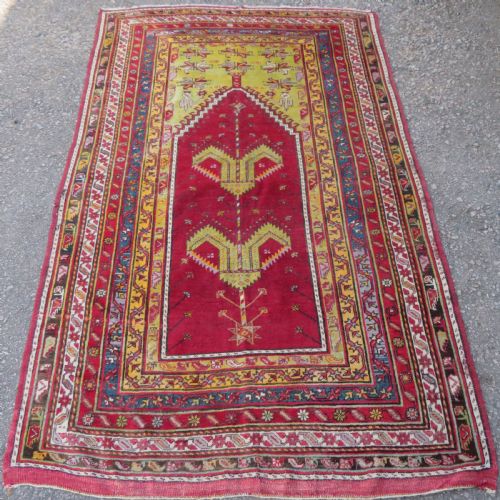
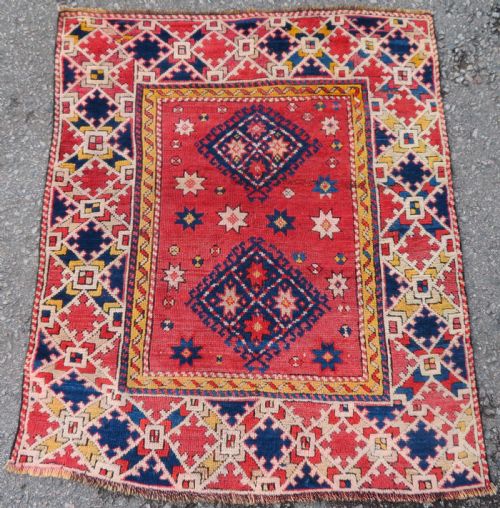
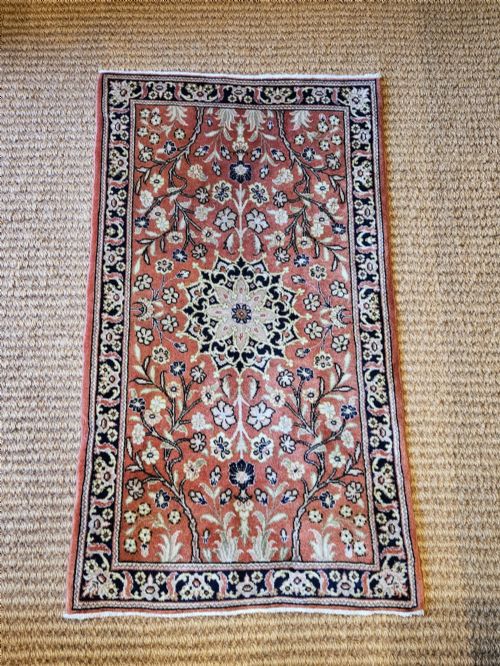
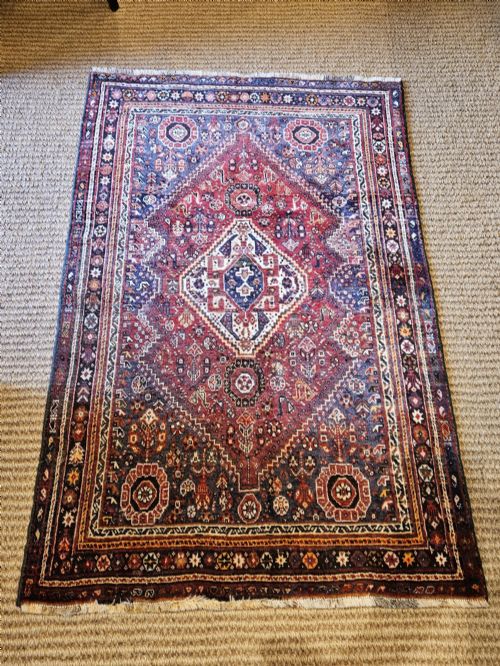
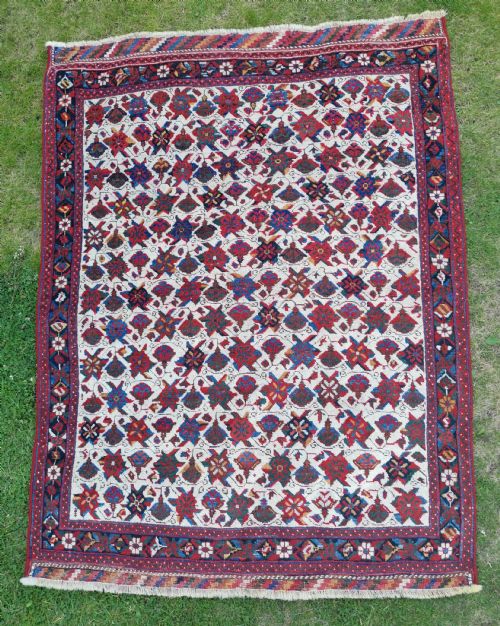
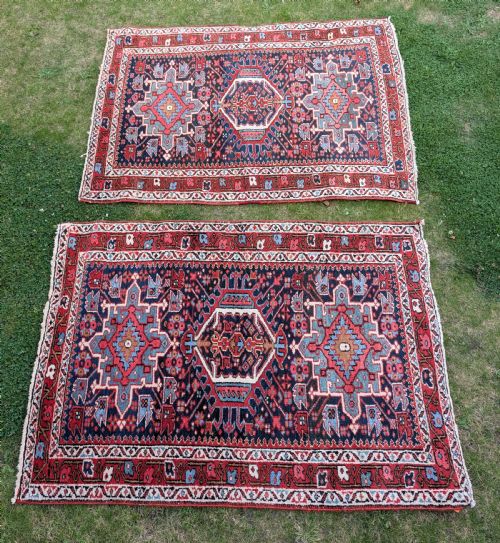
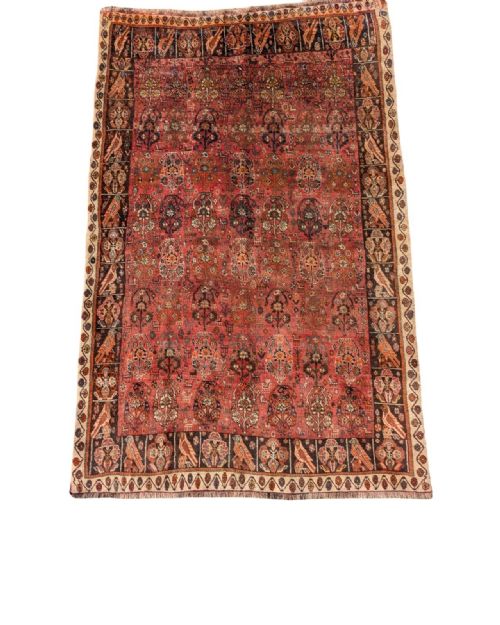
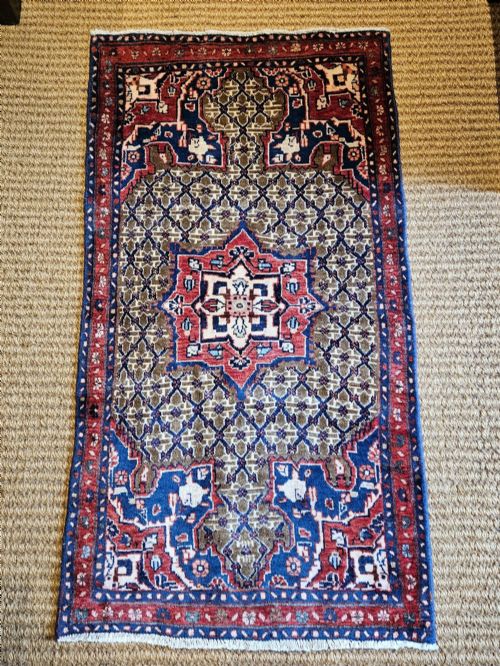
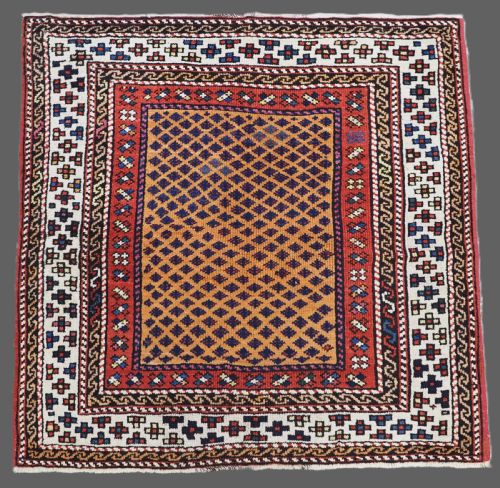
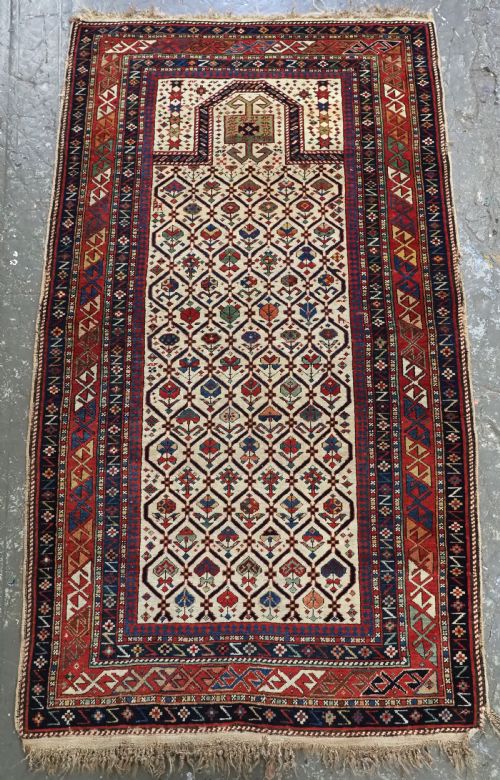
A vintage wool mat encompasses hearth-sized floor coverings, prayer rugs, and small square formats originating from Persian, Anatolian, Caucasian, and Turkmen weaving traditions. These pieces date from the mid-nineteenth century through to the early twentieth century, reflecting the distinct tribal and village aesthetics of their makers. On this page, buyers frequently encounter compact formats such as square mats, saddle covers, and small accent rugs.
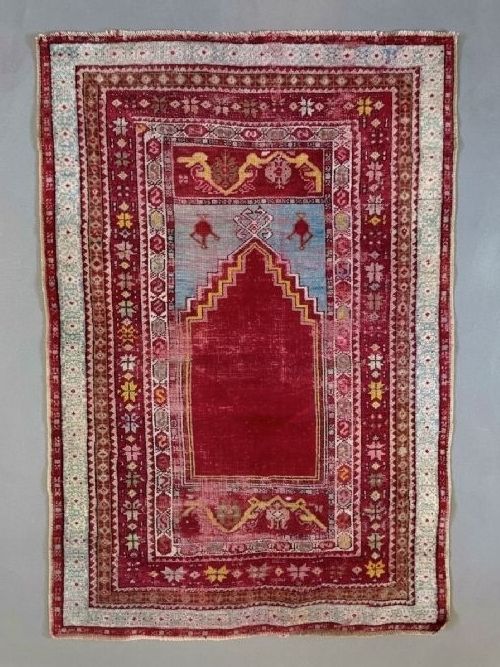
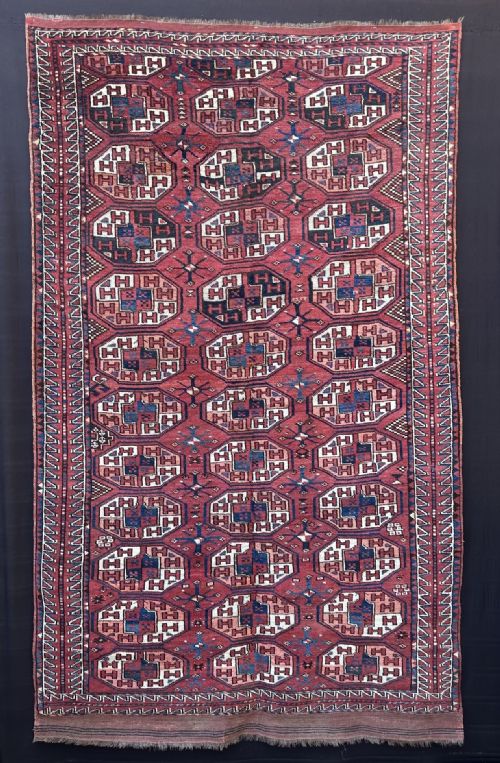
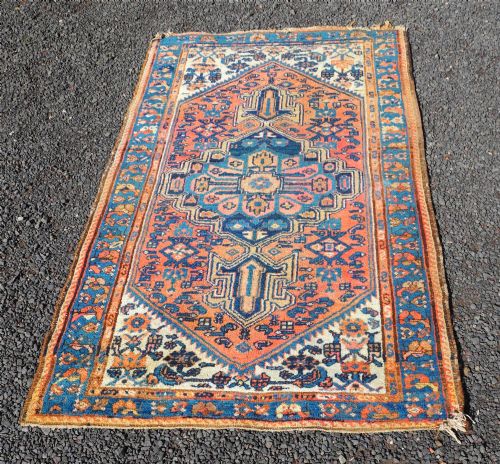
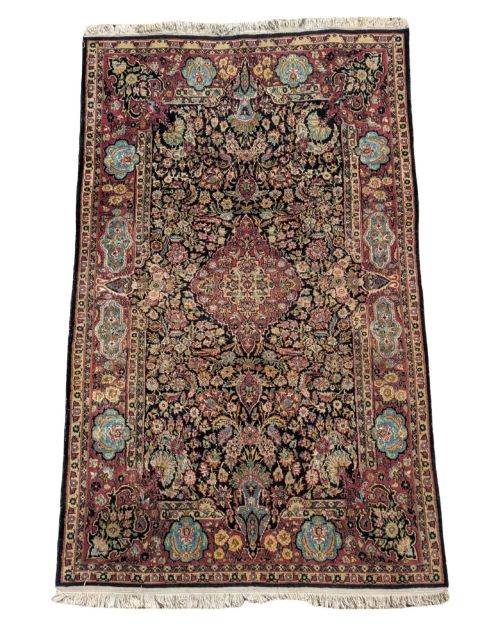
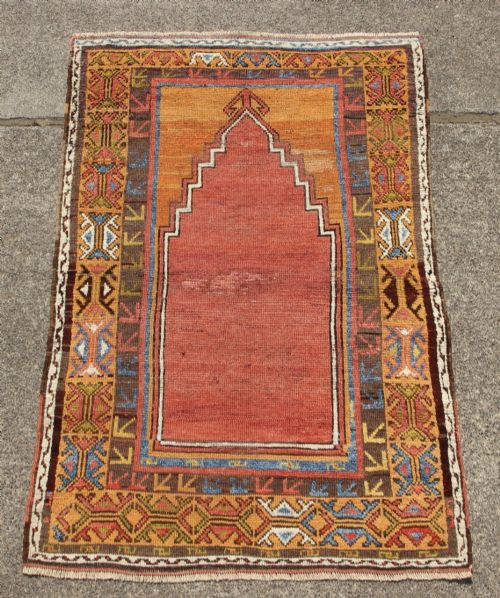
Village and tribal workshops produced these textiles for utilitarian household use, floor placement, or meditation rather than formal display. The selection ranges from geometric Anatolian prayer rugs to detailed Persian room accents and nomadic Baluch or Afshar tribal formats. Each piece holds a functional history embedded in traditional regional patterns and practical room placement.
Materials and construction
Weavers utilised natural sheep wool, hand-spun fibres, and occasionally cotton foundations or silk highlights to build durable floor textiles. Natural dyes provided the deep, stable palettes derived from local plants and minerals, which age with a characteristic patina.
The construction relies on traditional hand-knotting or flatweaving techniques executed on vertical or horizontal looms. Artisans secured structural integrity through dense knotting and bound edges, frequently finishing pieces with original tassels or tribal borders.
Several nomadic saddle covers preserve their original wool tassels, having safely survived a century of shifting from the backs of camels to domestic floors.
Assessing quality in early textiles
Quality rests upon the fineness of the knot count, the crispness of the geometric or floral drawing, and the integrity of the wool foundation. Tightly packed piles and secure selvages indicate careful domestic production or skilled workshop output.
The depth and harmony of the natural dye palette distinguish superior examples from standard utility pieces. Pigments that retain their vibrancy and show subtle abrash demonstrate proper mordant preparation and dye application.
The Vintage Wool Mat Glossary
- Abrash
- Subtle tonal variations or horizontal bands of shading within a single colour field, caused by batches of hand-spun yarn absorbing natural dye differently.
- Prayer rug
- A small format rug featuring a mihrab or arch design at one end, traditionally oriented toward Mecca during daily prayers.
- Sofreh
- A flatwoven or piled spread utilised for dining, food preparation, or grain storage among nomadic and village tribes.
- Selvage
- The reinforced side edges of a rug, finished to prevent the warps and knots from fraying or unravelling with use.
- Mihrab
- The arched architectural niche depicted on prayer rugs that indicates the direction of prayer.
Vintage Wool Mat: Frequently Asked Questions
Where should I place a small wool mat?
These compact pieces suit low-traffic areas such as bedside floors, hearth fronts, entryways, or narrow hallway runners. Their scale allows them to add warmth and texture to compact spaces without overwhelming the room.
Alternatively, many collectors mount smaller tribal textiles or prayer rugs directly onto walls as decorative art panels. This protects the wool pile from foot traffic while displaying the intricate village geometry at eye level.
What is the difference between a village rug and a tribal rug?
Village rugs originate from settled agricultural communities where weavers worked in fixed workshops or household looms. Their designs frequently incorporate structured floral arrangements, boteh motifs, and balanced medallion layouts.
Tribal rugs come from nomadic or semi-nomadic groups whose patterns rely heavily on memory, tribal identity, and bold geometric symbolism. These pieces often display spontaneous variations in motifs and asymmetric tribal borders.
Why do some rugs show distressed areas?
Low pile or worn areas often result from decades of genuine domestic use, foot traffic, and natural ageing of the wool fibres. This light wear is standard for textiles dating from the nineteenth and early twentieth centuries.
Distressed sections frequently contribute to the decorative character of the piece by exposing the underlying foundation threads and softening the original colour contrasts.