


Small Hearth Mat
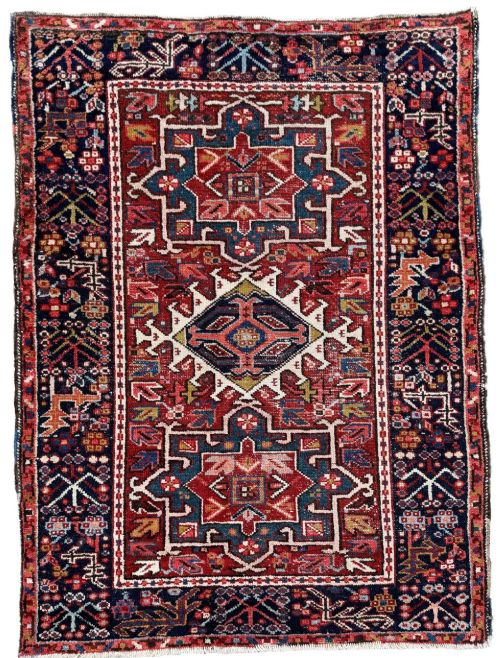
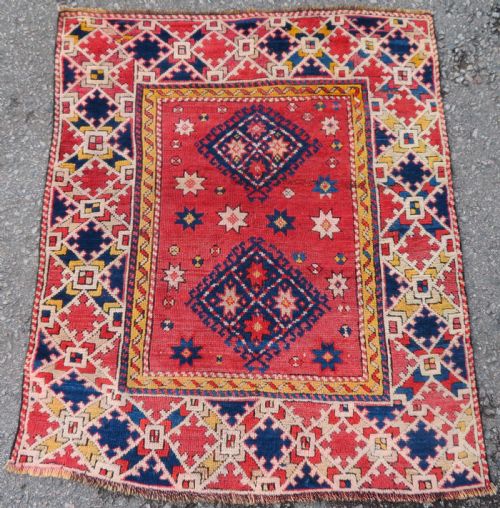
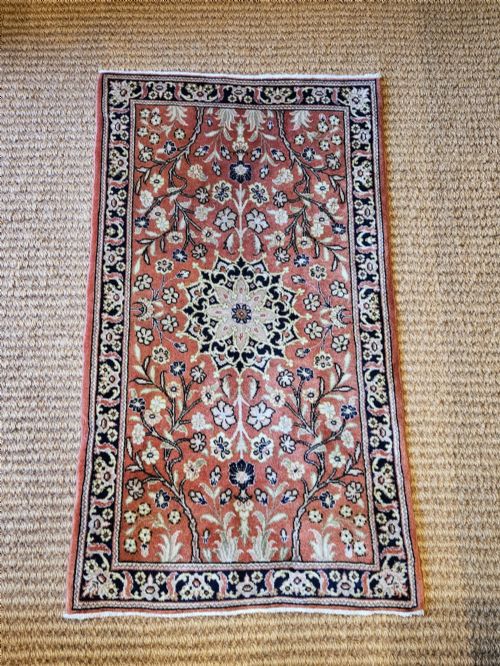
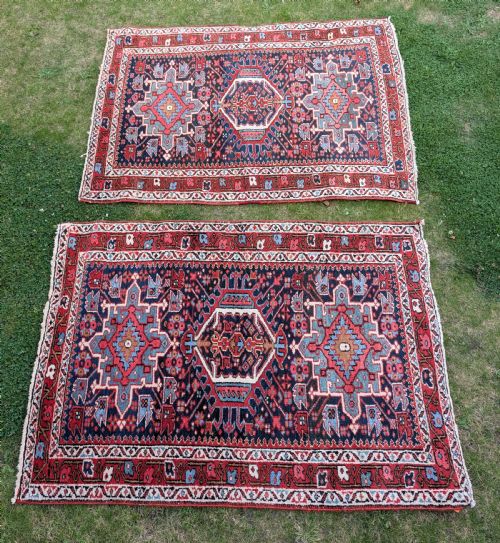
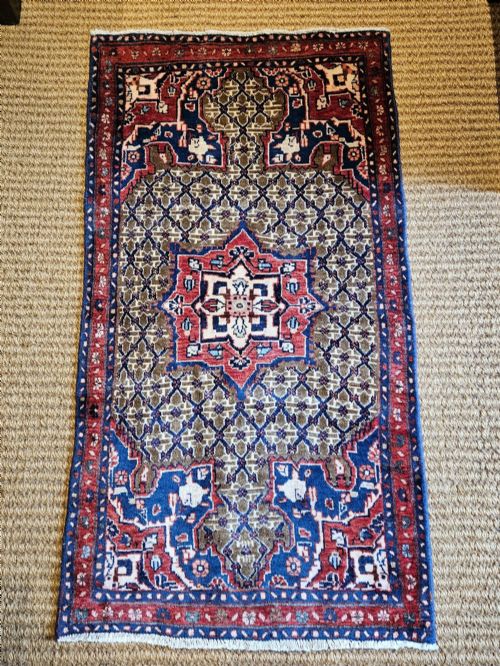
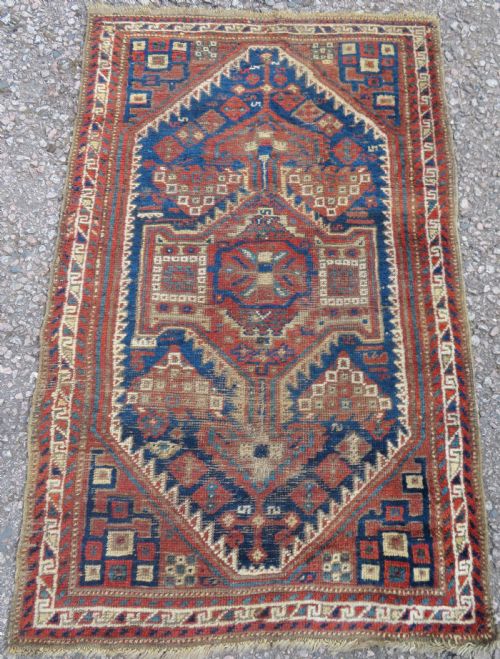
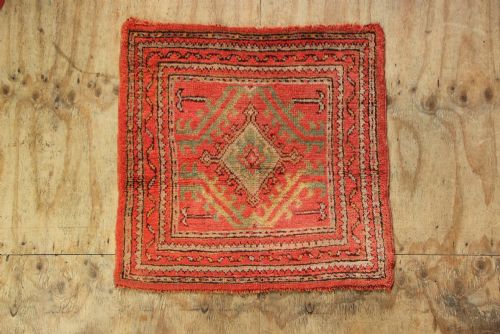
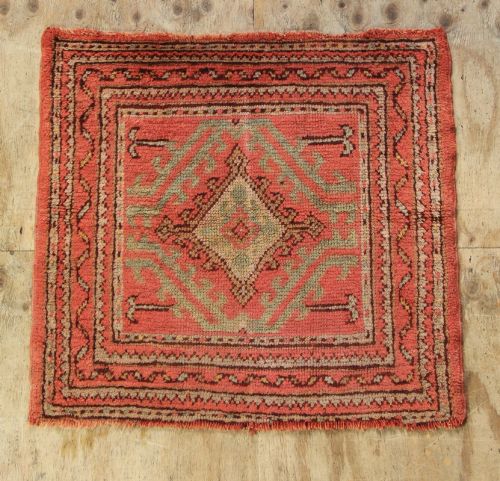
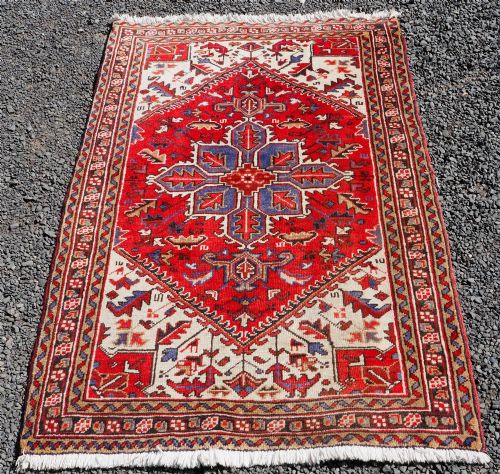
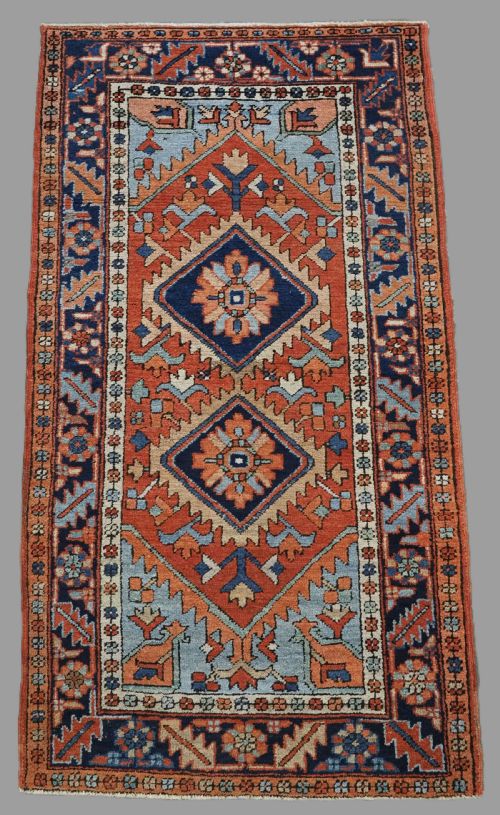
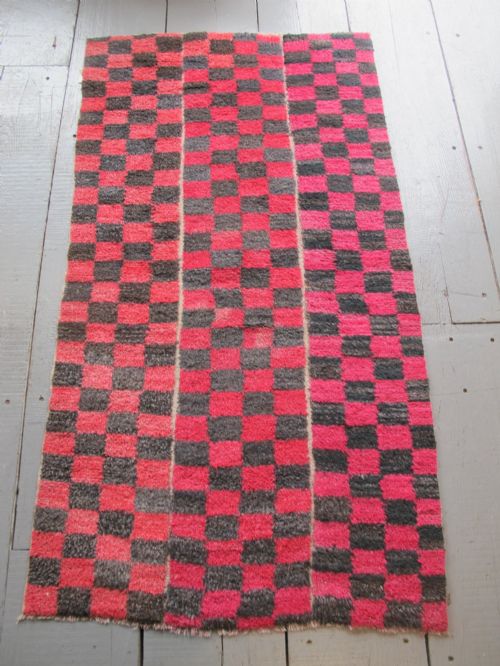
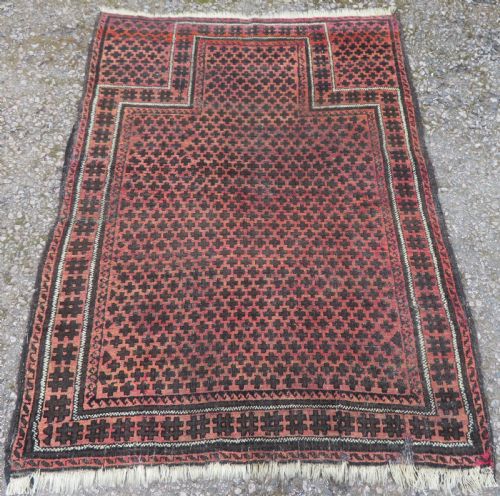
These small hearth mat examples are compact woven floor coverings designed to warm cold rooms, combining dense pile with traditional village patterns.
Small Hearth Mat
A small hearth mat sits comfortably in front of an open fireplace, protecting floorboards from stray embers while adding warmth to a room. These domestic textiles appear in formats such as square mats, narrow runners and compact area rugs.
The pieces seen here span the nineteenth century, the Edwardian era and the decades up to nineteen thirty. Origins stretch across Persian, Anatolian, Caucasian and Tibetan traditions.
Village weavers produced these compact formats for domestic use rather than grand reception rooms. Their scale makes them versatile additions to modern hallways, studies and fireplace surrounds.
Materials and construction
Makers relied primarily on natural wool, cotton and Tibetan wool to build a durable pile capable of enduring heavy foot traffic beside a fire. Hand-spun fibres absorb natural dyes unevenly, which creates the subtle tonal shifts visible across the surface.
Weavers knotted these wool yarns onto cotton or wool foundations using traditional regional techniques. The density of the knotting dictates how flat the mat lies and how sharply the geometric or floral motifs are defined.
Listings feature wool, cotton and Tibetan wool across nineteenth-century and early twentieth-century periods.
Factors of quality
The clarity and saturation of natural dyes distinguish superior examples from ordinary production. Tonal depth comes from skilled preparation of the wool and dye baths rather than chemical shortcuts.
Structural integrity depends on the tightness of the weave and the preservation of the original side cords and ends. A sound foundation ensures the mat retains its proportions through daily use.
The Small Hearth Mat Glossary
- Pile
- The upright loops or cut ends of yarn that form the usable surface of the rug. Its density determines how well the textile resists wear.
- Foundation
- The underlying grid of warp and weft threads that supports the knotted wool pile. Wool and cotton are the standard materials found here.
- Warp
- The vertical threads stretched lengthwise on the loom before weaving begins. Fringe ends typically grow directly from these structural strands.
- Weft
- The horizontal threads passed across the warp to lock the rows of knots in place. Tight beating of the weft creates a firmer structure.
- Meditation rug
- A compact format traditionally used in Tibetan practice for seated contemplation. These pieces often feature distinct iconographic layouts.
Small Hearth Mat: Frequently Asked Questions
Where should I place a small hearth mat?
These compact rugs suit narrow spaces, bedside positions and fireplace surrounds where full-sized carpets do not fit. Their original function involved catching ash and warming cold stone hearths.
Today, they work well as focal points in smaller rooms or hallways where floor protection is secondary to decorative warmth.
How do I care for antique wool mats?
Gentle vacuuming without a rotating brush roll keeps dust from settling into the wool pile. Professional cleaning suited to antique textiles preserves the natural lanolin in the fibres.
Keep these rugs out of direct sunlight to prevent natural dyes from fading over time.
How can I tell regional styles apart?
Anatolian and Persian examples often rely on geometric medallions, floral sprays and prayer niches specific to village workshops. Caucasian and Tibetan pieces display bolder, more abstract motifs and distinctive colour palettes.
Examining the weave structure and knotting style helps confirm the geographic origin of each textile.
What does a prayer rug design mean?
Prayer rugs feature a distinct mihrab or arch motif that points toward Mecca during daily devotions. Village weavers adapted these sacred architectural elements into domestic floor coverings.
This design tradition appears across various Anatolian, Persian and Caucasian traditions represented in the collection.