


Caucasian Floral Rug
These caucasian floral rug examples bring centuries of tribal weaving traditions into modern interiors through geometric floral lattices and robust wool construction.
Caucasian Floral Rug
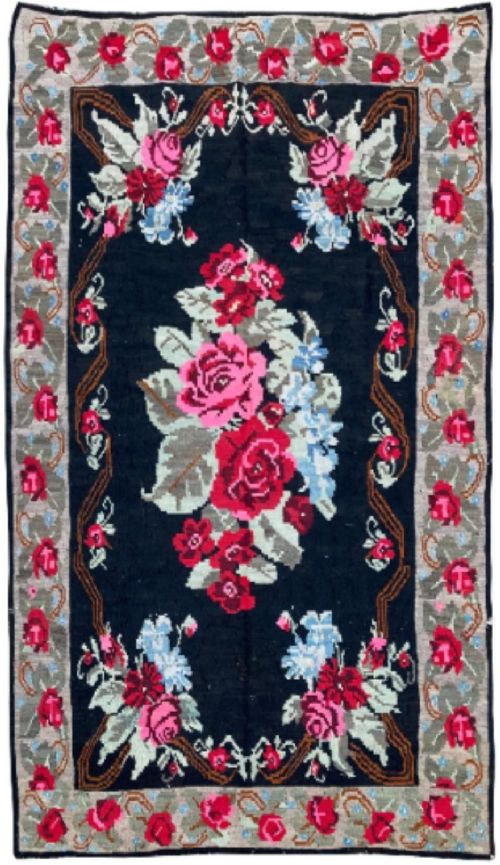
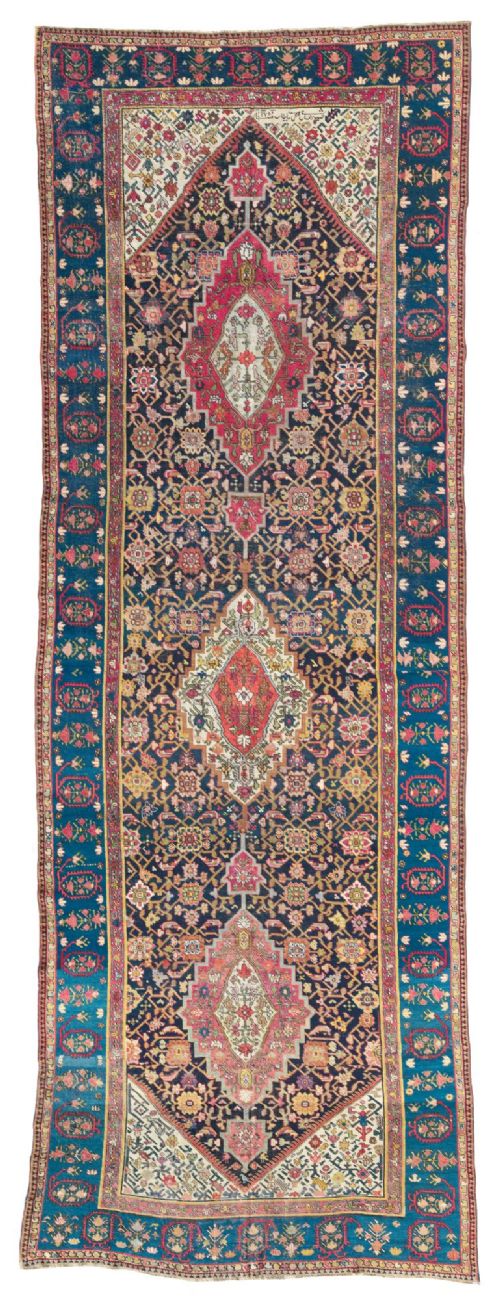
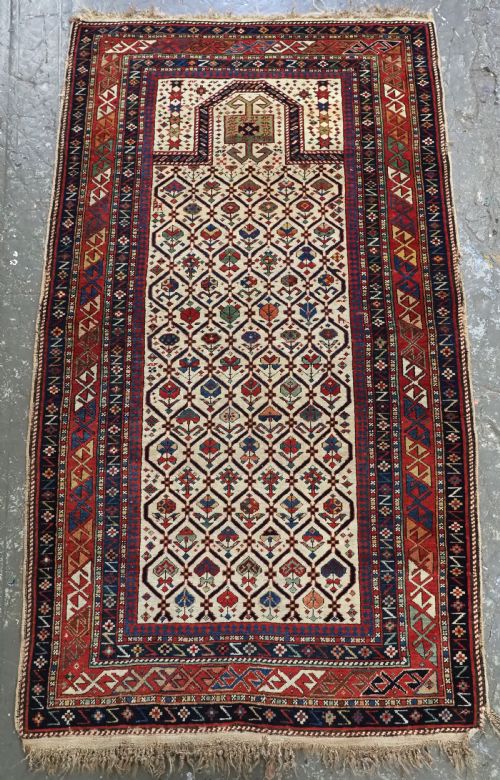
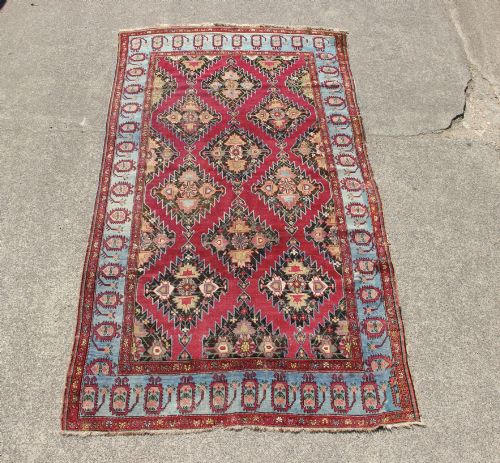
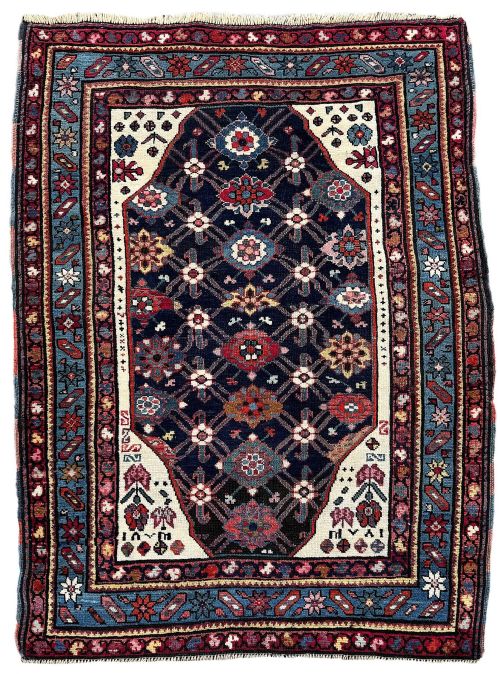
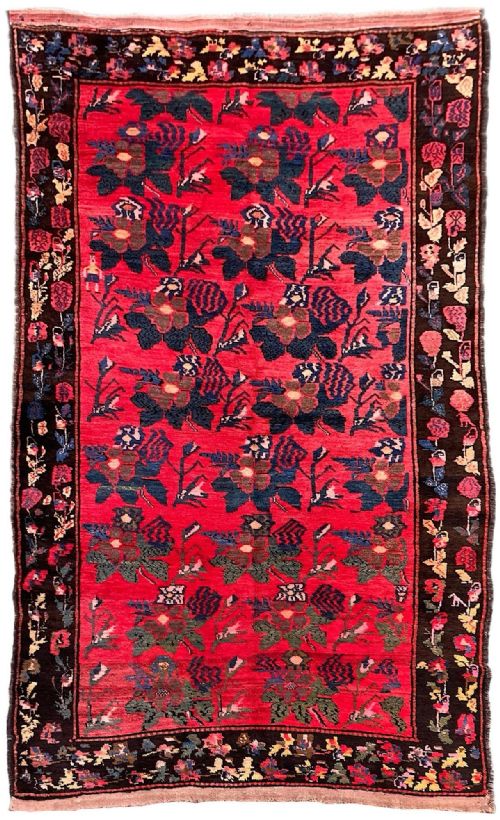
A caucasian floral rug represents centuries of weaving tradition from the Caucasus region, frequently featuring geometric interpretations of blossoms and botanical lattices. These textiles range from compact prayer rugs to elongated runners designed for hallways.
The most common examples on this page date from the nineteenth and early twentieth centuries, particularly originating from traditional weaving centres such as Karabagh, Daghestan, Shirvan, and Gendje. Buyers encounter distinct regional characteristics, including ivory grounds and French-inspired botanical motifs.
Formats vary significantly across the selection, encompassing square area rugs, long kelleh carpets, and narrow runner rugs. Each piece demonstrates the distinctive tribal aesthetics and structure associated with nineteenth-century Caucasian textile production.
Assessing quality and execution
Quality in these textiles rests upon the precision of the knotting and the crispness of the floral lattice geometry. Superior examples display balanced proportions and harmonious colour saturation across the wool pile.
The integrity of the original borders and the fineness of the weave distinguish finer pieces from standard production. Artisanal execution in the rendering of botanical motifs elevates the overall character of the rug.
Listings span several decades from the mid-nineteenth century through the 1930s, utilising wool and cotton across regional styles.
The Caucasian Floral Rug Glossary
- Kelleh
- A large format carpet traditionally longer than standard room-size rugs. This format served specific architectural spaces in traditional Caucasian interiors.
- Prayer rug
- A small rug featuring a mihrab or niche design at one end. Weavers created these pieces for devotional use.
- Runner
- An elongated narrow carpet format intended for hallways and corridors. These pieces accommodate linear domestic spaces.
- Lattice
- An open symmetrical pattern forming a network of intersecting diagonal lines. This design organises the floral motifs across the rug field.
- Warp
- The vertical foundation threads stretched lengthwise on the loom. Cotton warps support the hand-knotted wool pile.
Caucasian Floral Rug: Frequently Asked Questions
How do I clean an old rug?
Professional specialist cleaning is essential for antique wool and cotton textiles to prevent dye migration and fibre degradation. Vacuum gently without rotary brushes to protect the pile.
Avoid household detergents and excessive moisture, which weaken historical cotton foundations. Consult a conservator for specific maintenance requirements.
Where were these woven?
Production centres span the Caucasus region, including Karabagh, Daghestan, Shirvan, and Gendje. Each district developed distinct wool preparation methods and pattern repertoires.
Weavers passed regional designs down through generations, creating recognisable local signatures in the floral lattices and border arrangements.
Are these suitable for hallways?
Longer runner formats suit high-traffic areas when paired with an appropriate conservation underlay. The durable wool pile withstands regular foot traffic while protecting the cotton foundation.
Positioning runners away from direct, prolonged sunlight preserves the natural dye colours over time.
How do I date a piece?
Dating relies on examining the wool quality, dye palette, structural materials, and stylistic convention of the floral lattice. Nineteenth-century examples typically display characteristic handspun wool textures and saturated natural colours.
Comparing border motifs and structural density against documented regional archives helps narrow the period of production.