
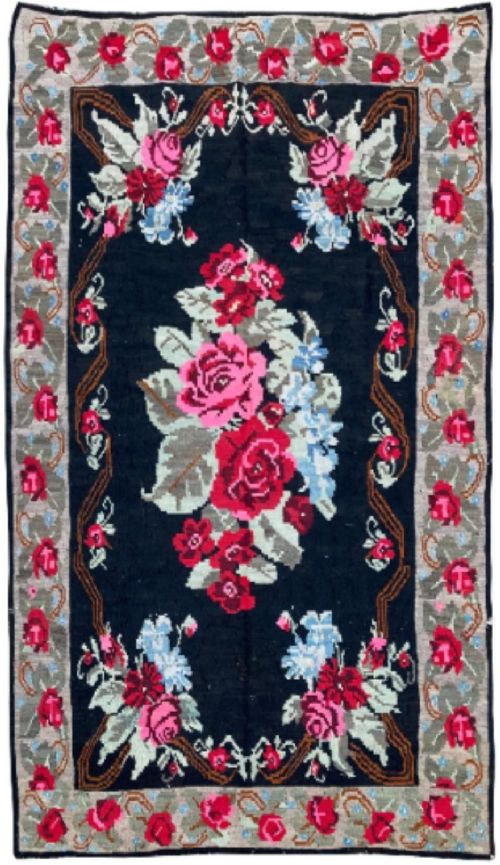
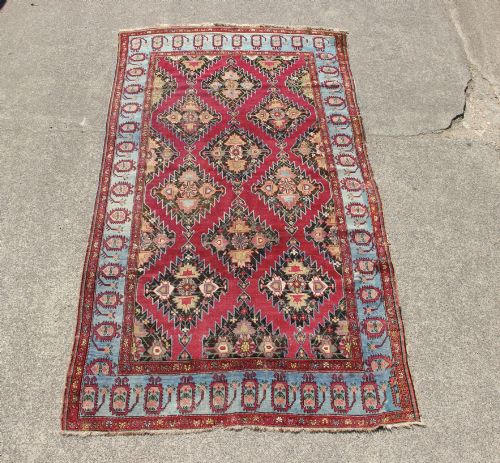

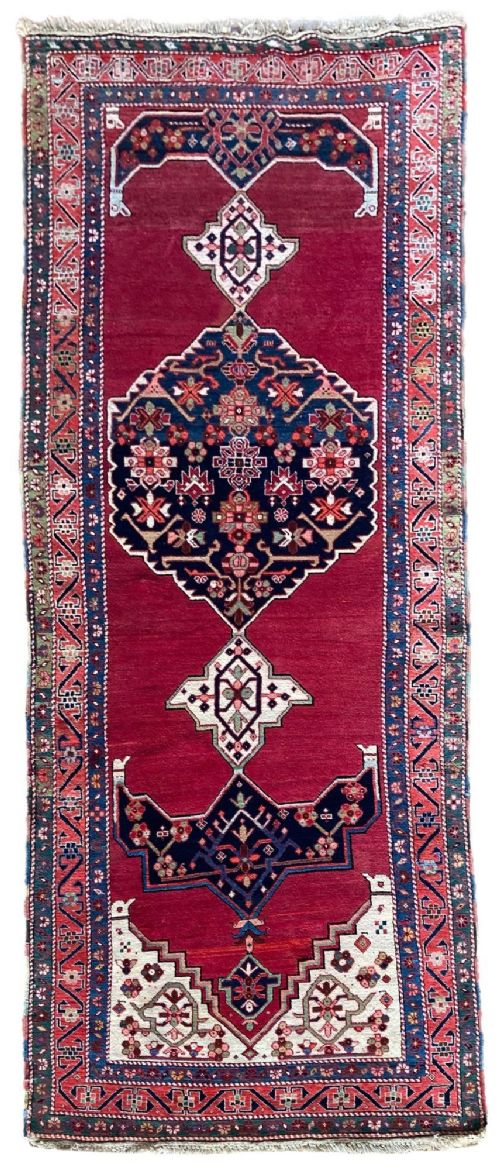


Vintage Karabagh Runner
A vintage karabagh runner brings centuries of Caucasian weaving tradition into a hallway with rich motifs and deep wool pile.
Vintage Karabagh Runner
A vintage karabagh runner delivers the striking geometry and distinctive palette of the South Caucasus directly to long spaces like corridors and landings. These pieces arrive from regional workshops and villages, spanning periods from the late nineteenth century through to the early decades of the twentieth century.
The format typically stretches into narrow proportions, designed specifically for heavy traffic areas while offering visual warmth through medallions, boteh motifs, and figurative elements. Buyers encounter formats categorized broadly under Caucasian tribal and traditional styles, reflecting the diverse heritage of the region.
Makers ranged from village weavers working independently to workshop artisans, occasionally incorporating signed names or specific regional identifiers such as Chelaberd or Lampa designations into the structure. The resulting objects serve as practical floor coverings that double as textile art.
Materials and construction
Construction relies on natural wool and cotton, utilised respectively for the pile and the foundational warp and weft threads. Wool provides the durable, lustrous surface that absorbs natural dyes over generations of use.
Weavers knotted the pile by hand onto sturdy cotton or wool foundations, employing techniques passed down through generations in Caucasian communities. This traditional method ensures flexibility alongside structural integrity for everyday deployment.
Certain village weavers went so far as to stitch their own names directly into the wool, ensuring their handiwork outlived them by centuries.
Assessing quality
Quality rests upon the crispness of the design execution and the depth of the palette, where saturated hues and distinct medallion outlines elevate a piece significantly. The precision of the knotting and the preservation of original edge finishes dictate the structural longevity.
Peculiarities such as figurative elements depicting people and animals, or uncommon structural variations like kilim flatweaves, separate standard village productions from truly notable examples. The integrity of the natural materials across the pile and foundation ultimately determines the resilience of the textile.
The Vintage Karabagh Runner Glossary
- Medallion
- A central ornamental motif set within the field of the rug. It forms the primary focal point of traditional Caucasian design schemes.
- Boteh
- A stylised almond or pear-shaped motif representing a sprout or floral bud. This ancient symbol appears frequently across regional runners.
- Kilim
- A flatweave textile produced without a pile by tightly interweaving warp and weft strands. These pieces offer a lighter structure than traditional pile rugs.
- Warp
- The vertical foundation threads stretched lengthwise on the loom. The pile knots are tied directly around these structural elements.
- Weft
- The horizontal threads passed across the warp strands to lock the knots in place. This material secures the rigidity of the rug.
Vintage Karabagh Runner: Frequently Asked Questions
Where should I place a runner?
These narrow formats suit hallways, corridors, and long entryways where floor space requires both protection and visual interest. Their dimensions accommodate linear architectural layouts naturally.
Ensure an appropriate underlay is utilised to prevent slipping and to cushion the wool pile against hard flooring surfaces.
How do I clean a wool rug?
Regular gentle vacuuming without a beater bar removes surface dust and prevents grit from settling into the wool foundation. Professional cleaning specialised in antique textiles remains essential for deep washing.
Avoid harsh chemical detergents or excessive moisture, which can damage natural dyes and weaken the cotton or wool threads.
What defines Caucasian design?
Caucasian rugs draw on geometric motifs, stepped polygons, and bold primary colours that reflect the cultural crossroads of the region. Distinctive subtypes include Kazak and Karabagh variations.
These patterns often feature symbolic representations of flora, fauna, and local tribal iconography passed down through generations.
How do I date a textile?
Dating relies on stylistic analysis of the motifs, the chemical composition of the natural dyes, and the structural characteristics of the weave. Occasional dated examples provide firm reference points for specific eras.
Physical indicators such as wool wear patterns and foundation materials help narrow the period of production between the late nineteenth and early twentieth centuries.