



Karabagh Wool Carpet
A karabagh wool carpet brings distinctive Caucasian tribal artistry, rich botanical motifs and enduring craftsmanship into a traditional interior.
Karabagh Wool Carpet
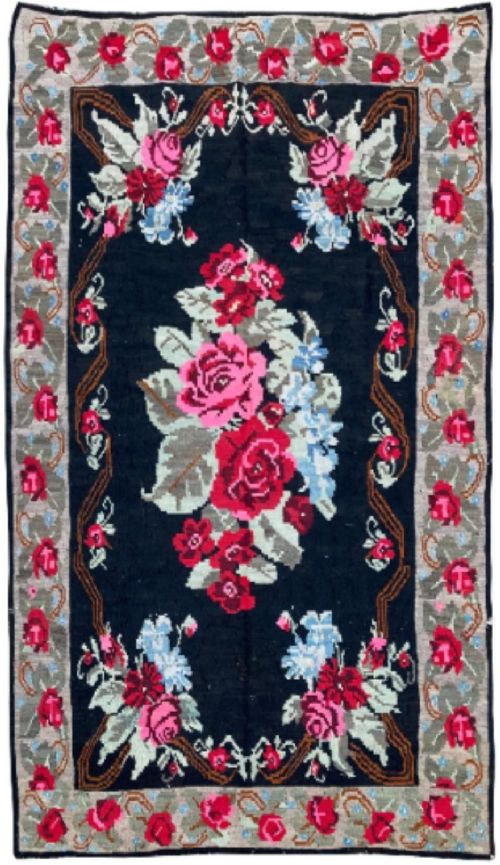
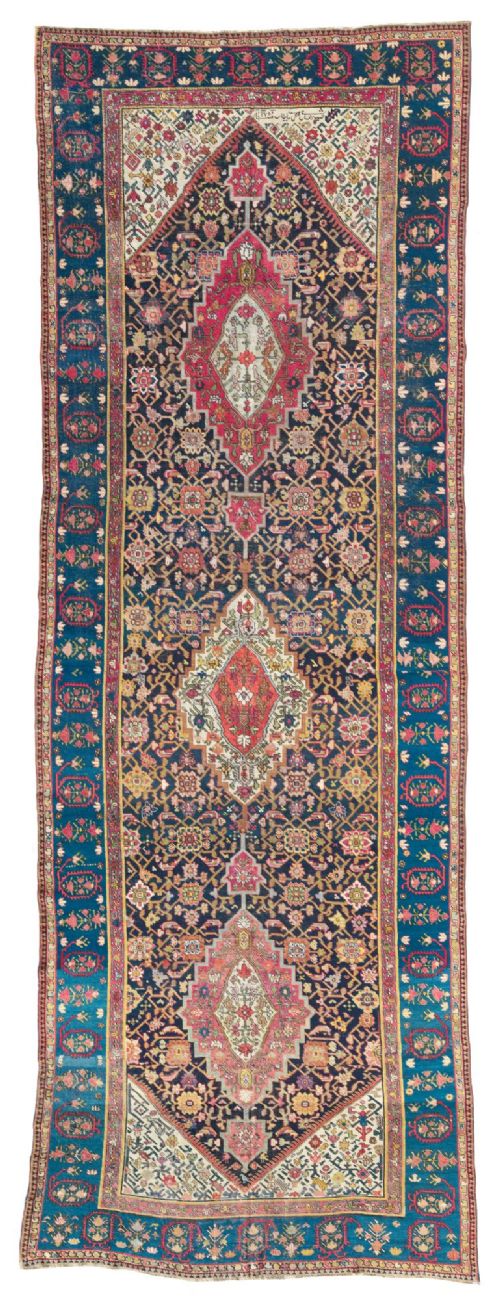
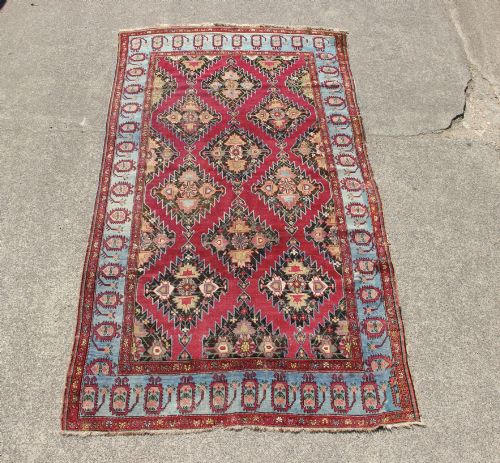
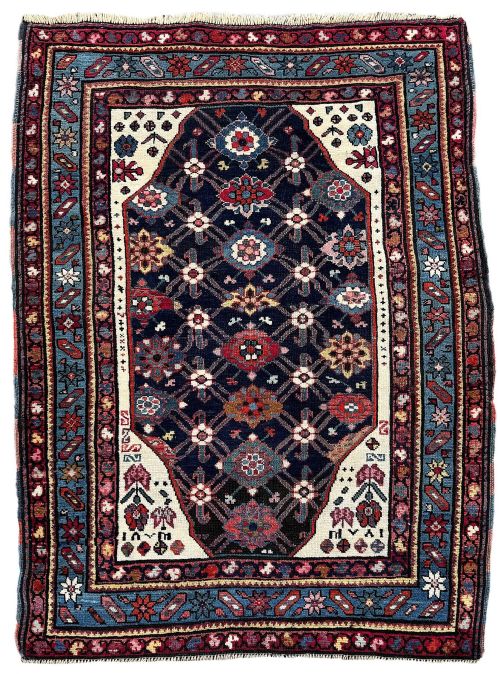
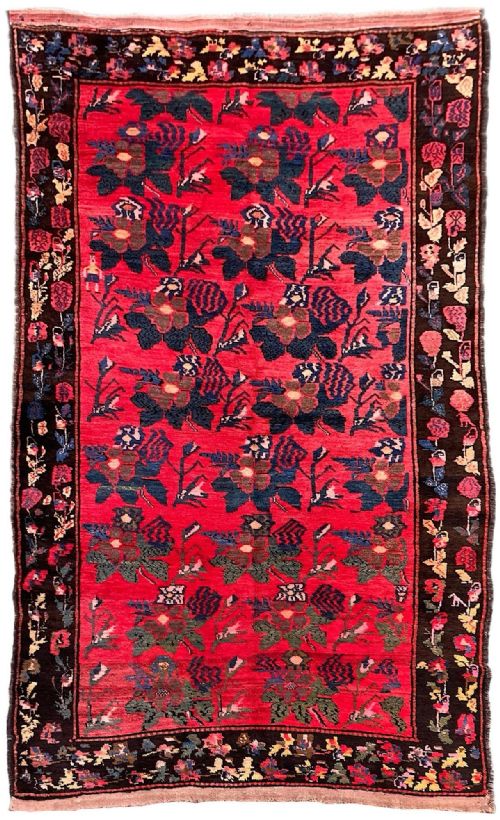
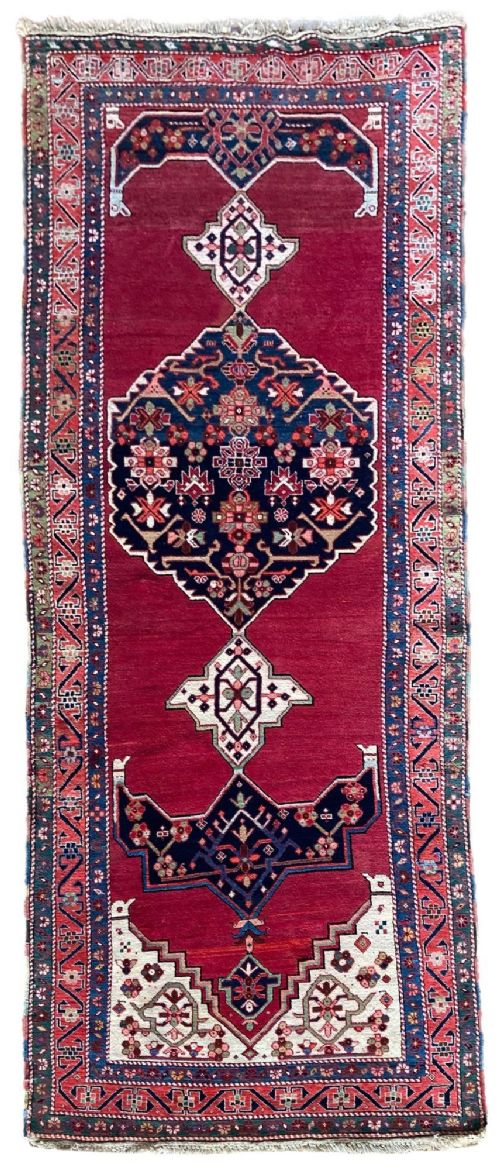
A karabagh wool carpet represents a rich weaving tradition originating in the Caucasus, encompassing diverse formats from intimate village rugs to substantial carpets and long runners. These textiles frequently display distinct regional styles, including Caucasian tribal patterns, European-inspired floral designs with French roses, and classical medallion layouts.
The pieces available on this page span the mid nineteenth century through the early twentieth century, showing periods such as 1850, 1880, 1890, 1900, 1910, 1920 and 1930. Buyers encounter formats like kelleh rugs, kilims, and runner rugs, reflecting both geometric village aesthetics and sophisticated floral compositions.
Weavers in this region produced works that bridge traditional Caucasian motifs with European influences, incorporating symbols like boteh, cloud bands, and large central medallions. Each rug demonstrates the functional artistry of its maker, often utilising specific regional wool structures and traditional weaving techniques.
What Varies in Quality
The distinction between standard examples and superior pieces rests on the precision of the knotting, the complexity of the design, and the vibrancy of the palette. Finer examples display crisp delineation in intricate motifs such as boteh patterns, cloud bands, or pictorial elements depicting people and animals.
Material handling and wool quality further differentiate the range, with denser piles and well-preserved foundations representing higher levels of workshop or village execution. The survival of clear colour relationships and balanced proportions across the field marks the more accomplished weaving.
Karabagh Wool Carpet Retail Price Guide 2026
Typical asking prices for karabagh wool carpet among the pieces listed under this phrase on Sellingantiques today, from the lower quarter to the upper quarter. They describe what is for sale here now, not the wider market.
Materials recorded across these pieces are strictly wool and cotton, utilised in both pile carpets and flatwoven kilims.
The Karabagh Wool Carpet Glossary
- Kelleh
- A large rectangular carpet format, typically longer than a standard room-size rug and often suited for hallways or spacious rooms.
- Boteh
- A stylised almond or pear-shaped motif of Persian origin, frequently repeated in rows or diagonal bands across the field of Caucasian carpets.
- Kilim
- A flatwoven textile produced without a pile, utilising slit-weave techniques to create sharp geometric patterns.
- Kazak
- A designated style of Caucasian rug known for bold geometric medallions, primary colour palettes, and tribal character.
- Runner
- A long, narrow carpet format designed specifically for corridors, hallways, and staircases.
Karabagh Wool Carpet: Frequently Asked Questions
Where were these carpets made?
These textiles originate in the Karabagh region of the Caucasus, a historic area renowned for diverse weaving traditions that combined local tribal motifs with outside artistic influences.
Weavers working in regional villages and nomadic settlements produced these floor coverings using materials and designs passed down through generations.
How do I care for an antique wool rug?
Maintenance requires gentle vacuuming without a beater bar and regular rotation to ensure even wear across the surface from foot traffic.
Professional cleaning by specialists familiar with antique vegetable-dyed wool preserves the fibres and maintains the structural integrity of the foundation.
What are boteh motifs?
The boteh is a traditional decorative element resembling a twisted teardrop, cypress tree, or flame, which appears frequently in Near Eastern and Caucasian textiles.
In these carpets, boteh designs are arranged in vertical rows, diagonal lines, or scattered across the central field to create rhythmic visual movement.
How do I distinguish a kelleh from a runner?
A kelleh is a substantial large-format rug, generally narrower than a standard room carpet but broader and shorter than a traditional hallway runner.
Runners are specifically elongated formats intended for narrow spaces like corridors, whereas kellehs serve as grand area centrepieces.