
19th Century Oriental Rug
When choosing a 19th century oriental rug, you are selecting a hand-knotted textile that brings centuries of tribal and regional weaving tradition into a modern interior.
19th Century Oriental Rug
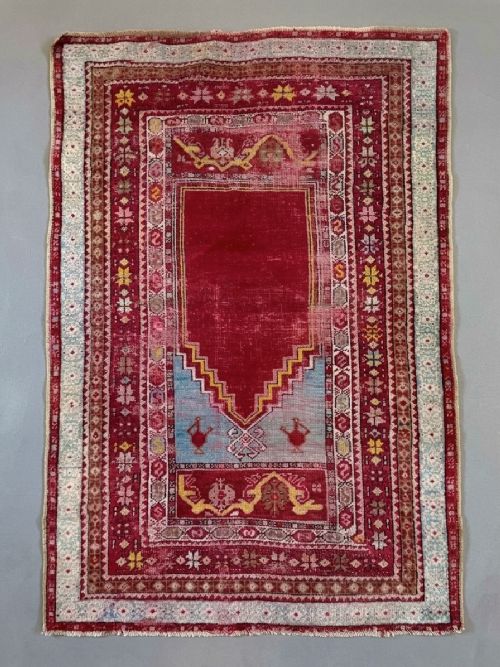
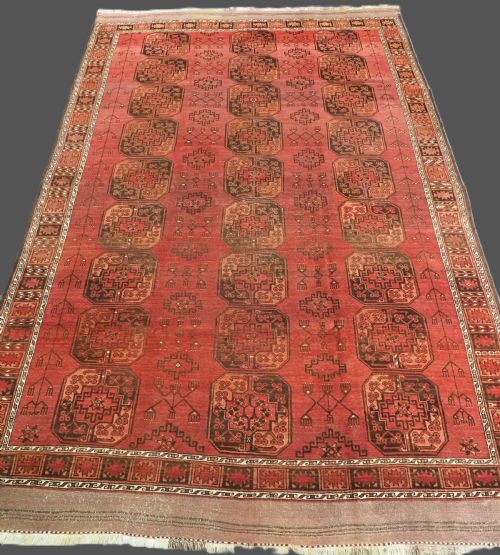
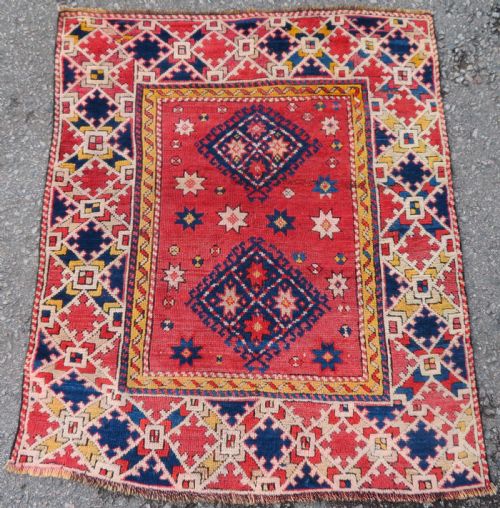
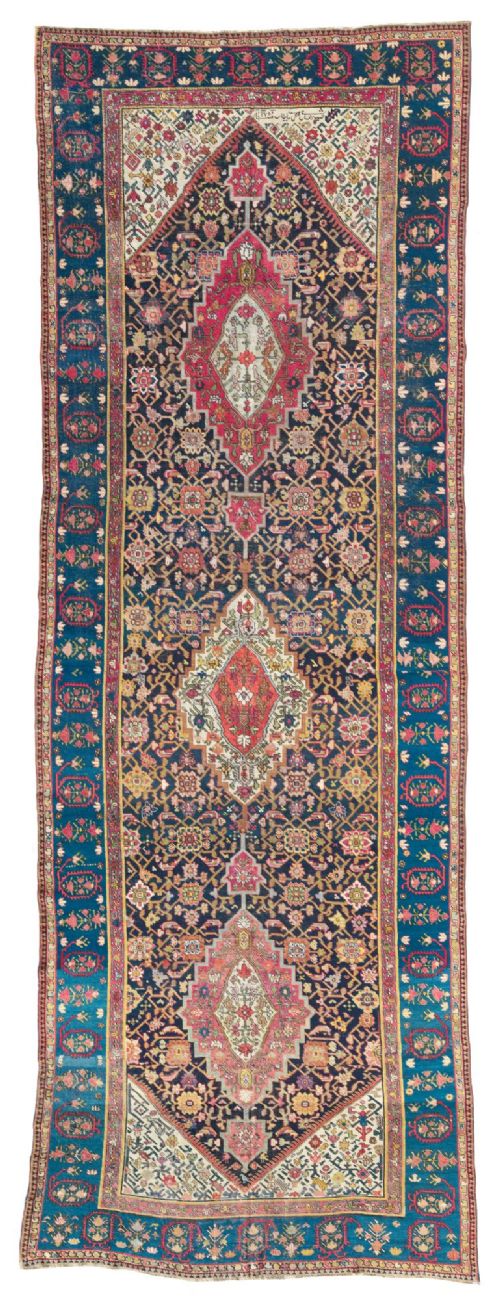
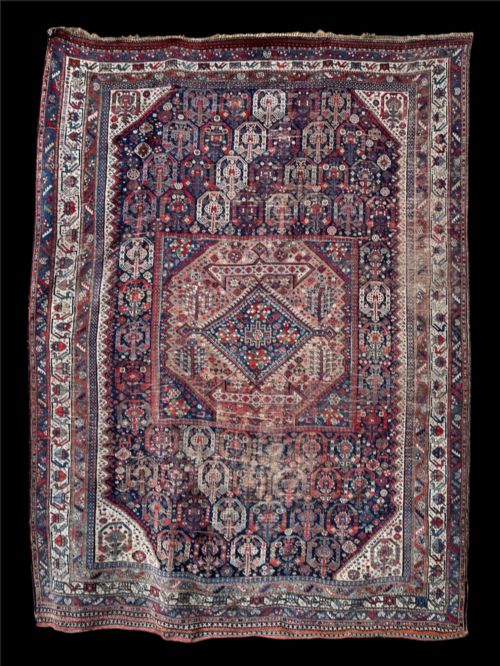
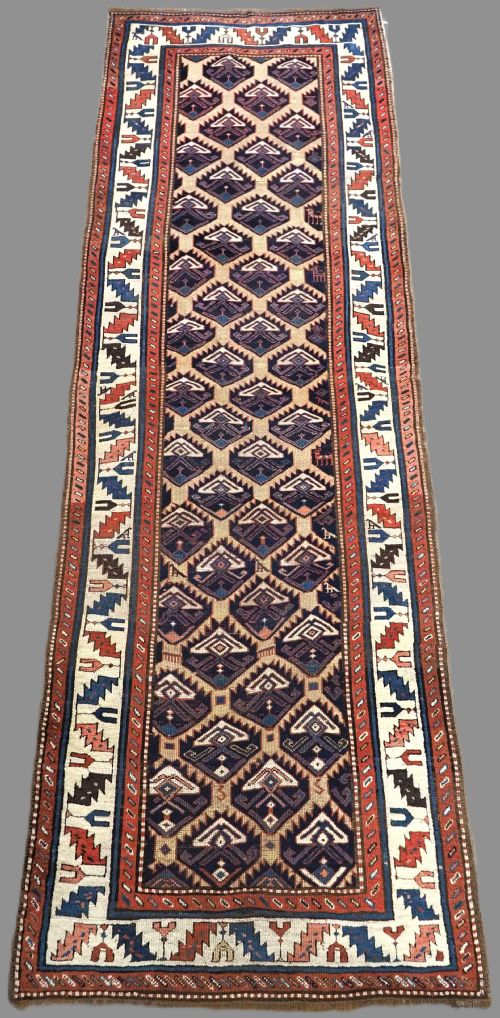
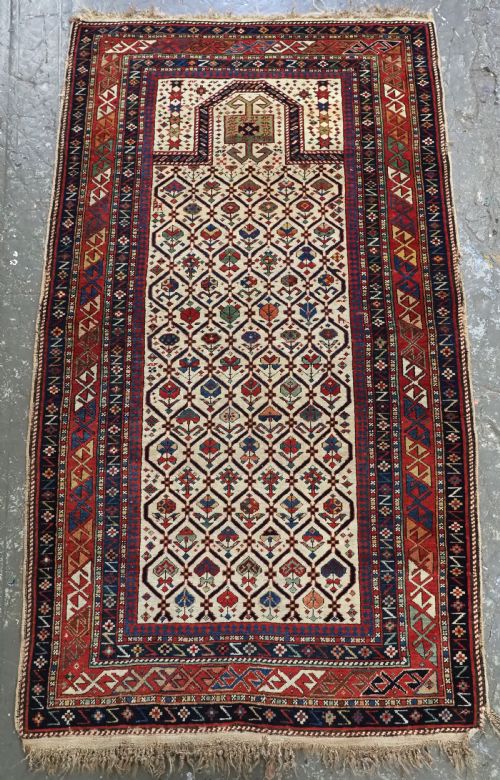
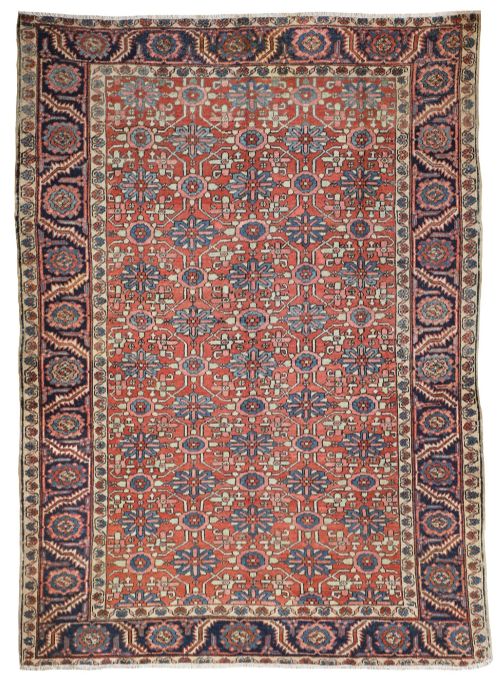
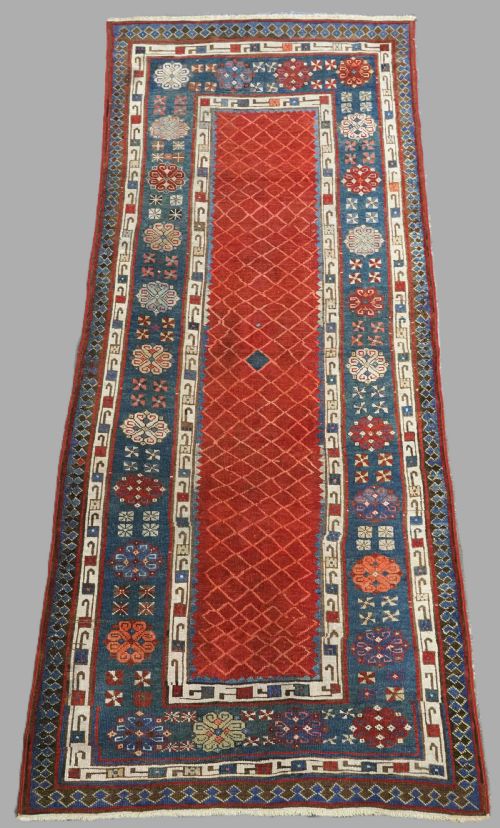
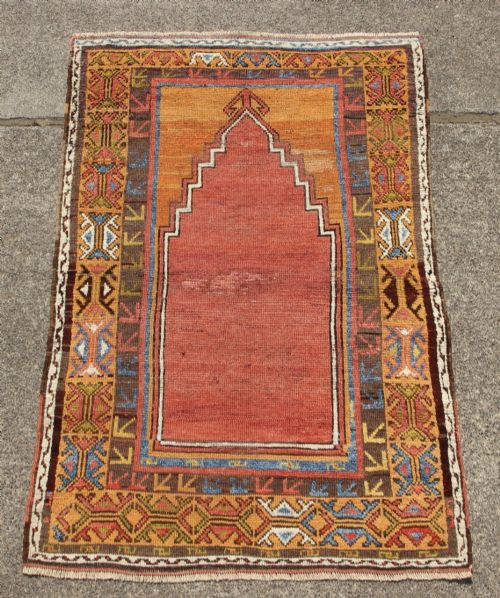
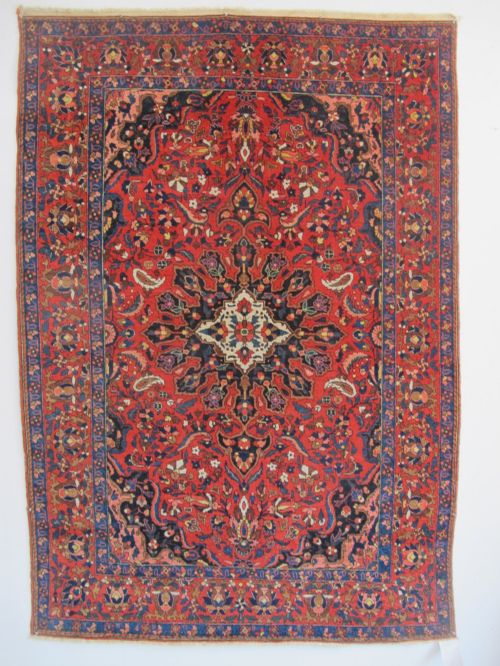
A 19th century oriental rug encompasses hand-knotted carpets, runners, and tribal textiles originating from Caucasian, Persian, Anatolian, and Turkmen weaving centres. These pieces range from small prayer rugs and torba faces to large room-sized carpets displaying geometric lattices, floral motifs, or medallion designs.
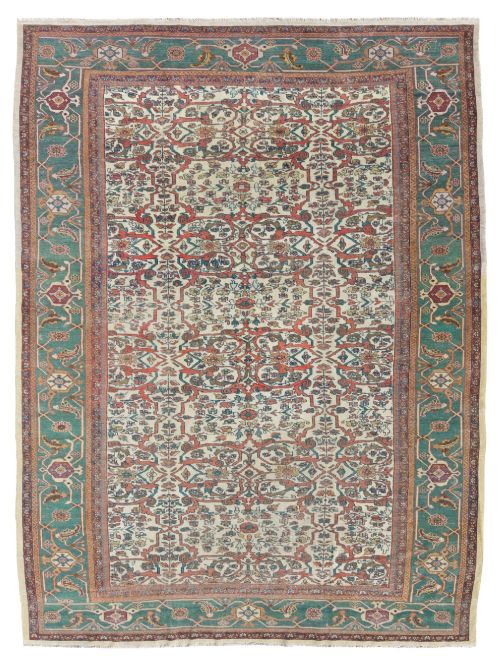
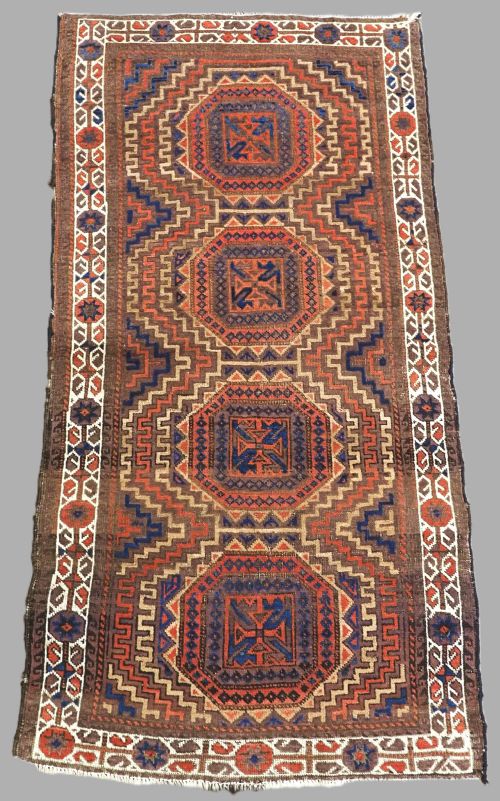
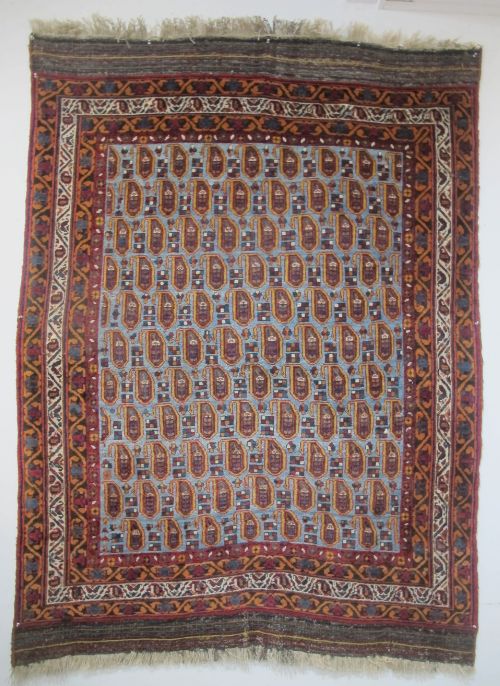
Buyers encountering this group will frequently find regional variations such as Heriz, Sultanabad, Kazak, and Afshar carpets created during the decades between 1850 and 1900. The forms vary from elongated runners designed for hallways to square format rugs utilised as floor coverings or wall hangings.
The aesthetic of these textiles is defined by traditional weaving communities expressing their heritage through distinct local patterns. Tribal designs from Turkmen or Caucasian weavers sit alongside sophisticated court and village carpets from Persia and Anatolia.
How they were made
Weavers constructed these rugs predominantly using hand-spun wool for the pile, often combined with cotton foundations and occasional silk highlights. Natural dyes provided the palette, creating deep tones that interact with the texture of the wool.
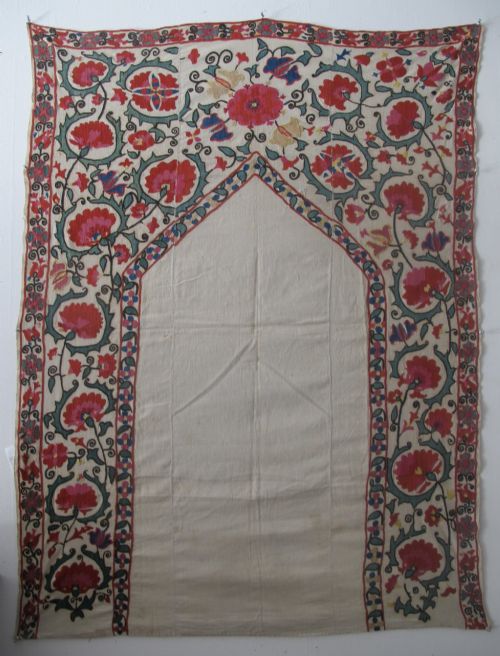
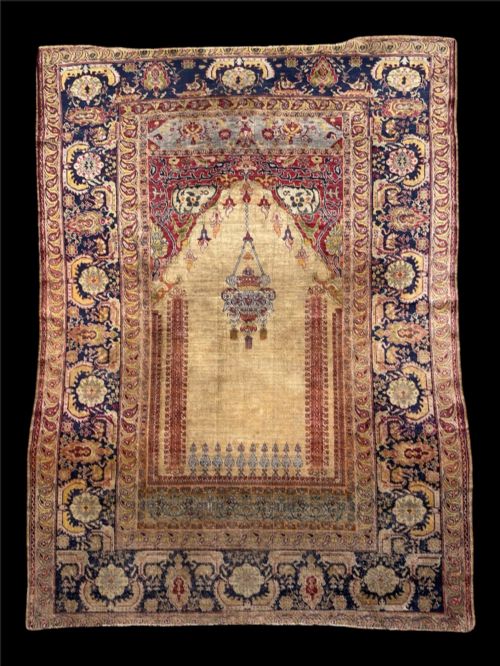
Certain specialised pieces incorporate metallic thread or intricate embroidery, particularly within Ottoman fragments and Uzbek suzanis. The structural technique relies on manual knotting onto warp and weft threads, producing a dense pile suited to generations of daily use.
19th Century Oriental Rug Retail Price Guide 2026
Typical asking prices for 19th century oriental rug among the pieces listed under this phrase on Sellingantiques today, from the lower quarter to the upper quarter. They describe what is for sale here now, not the wider market.
Available regional styles encompass Caucasian, Persian, Turkmen, Ottoman, and Anatolian traditions expressed through diverse geometric and floral formats.
What varies in quality
The finesse of the knotting and the complexity of the design determine the visual impact of each weaving. Tighter structures and well-executed symmetrical or asymmetrical knots allow intricate geometric and floral details to remain crisp.
The depth and saturation of the natural dyes used in the wool influence the visual character of the piece as the light changes. Balance in proportion and harmony within the colour palette separate standard utilitarian pieces from exceptional examples of regional artistry.
The 19th Century Oriental Rug Glossary
- Gul
- A primary octagonal or medallion-like motif frequently repeated across Turkmen and tribal carpets. Each specific pattern relates to the particular tribe or confederacy that produced the textile.
- Prayer rug
- A small-format carpet featuring a distinct mihrab or arch design at one end, traditionally oriented toward Mecca during daily prayers. These pieces often display concentrated floral or architectural motifs.
- Sumak
- A flat-weave technique where weft threads are wrapped horizontally around the warp threads to create a durable structure without a cut pile. This method produces a textured surface often seen in Caucasian Dragon carpets.
- Kelleh
- A specific rectangular carpet format that is substantially longer than it is wide, traditionally utilised as a room-dividing floor covering in Persian households.
- Torba
- A small utilitarian bag face produced by Turkmen nomadic groups for domestic storage inside a yurt. These heavily patterned panels are now collected and displayed as independent textile art.
19th Century Oriental Rug: Frequently Asked Questions
How do I identify the region of a rug?
Regional attribution relies upon specific structural characteristics, colour palettes, and repeating motifs unique to individual weaving groups. Caucasian rugs frequently display bold geometric lattices, while Persian pieces tend towards intricate floral medallions.
Examining the selvedges, fringe construction, and wool preparation provides further clues to the exact workshop or tribal origin. Comparing specific border patterns helps narrow down whether a piece hails from Anatolia, the Caucasus, or Persia.
Can I use an antique carpet on the floor?
Most surviving 19th century carpets were built for domestic floor use and remain durable enough for moderate foot traffic today. The natural resilience of hand-spun wool and cotton foundations allows these textiles to endure daily living when properly maintained.
Placing a quality rug underlay beneath the textile prevents slipping and reduces fibre friction against hard flooring. High-traffic areas may require periodic rotation to ensure even wear across the pile.
What is the difference between a village rug and a tribal rug?
Tribal rugs were woven by nomadic or semi-nomadic groups using memory-based designs loaded with tribal symbols and ancestral motifs. These pieces often present less rigid geometry and highly saturated natural dye colours.
Village rugs originated in settled rural communities where weavers had access to established market designs and fixed looms. They frequently combine regional tribal symbols with more structured medallion formats.
How should I clean and care for my textile?
Routine maintenance involves gentle vacuuming without a rotating power brush to remove dust particles from the wool pile. Professional conservation cleaning is recommended periodically to address deep-seated dirt without damaging natural dyes.
Keeping antique textiles out of direct, prolonged sunlight prevents the natural dyes from fading over time. Promptly addressing spills with clean water and blotting rather than rubbing protects the delicate fibres.