
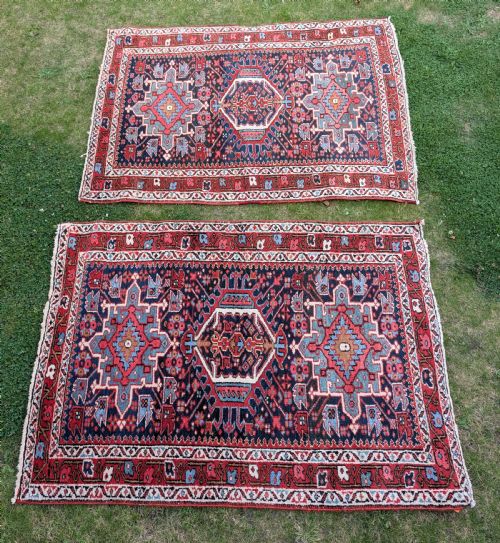
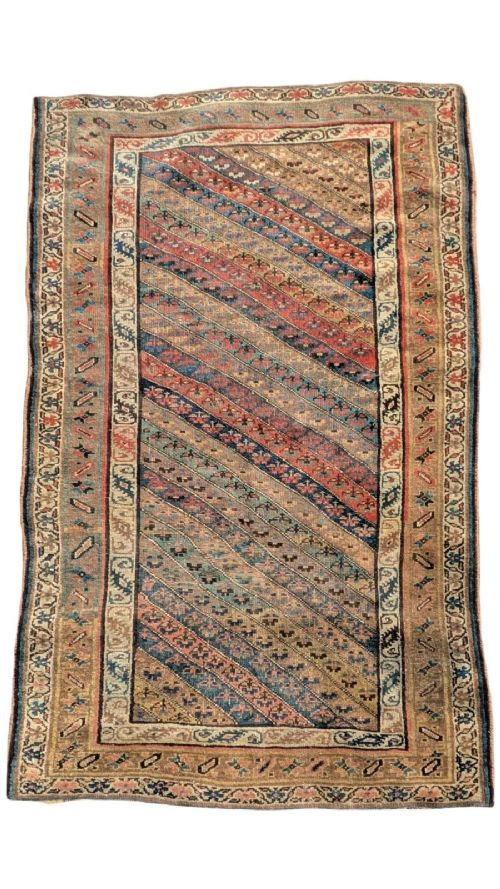
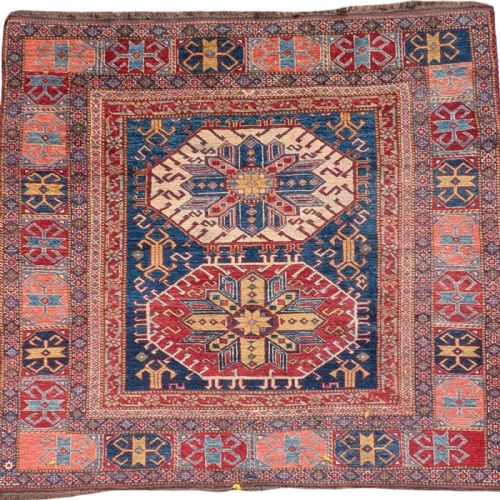
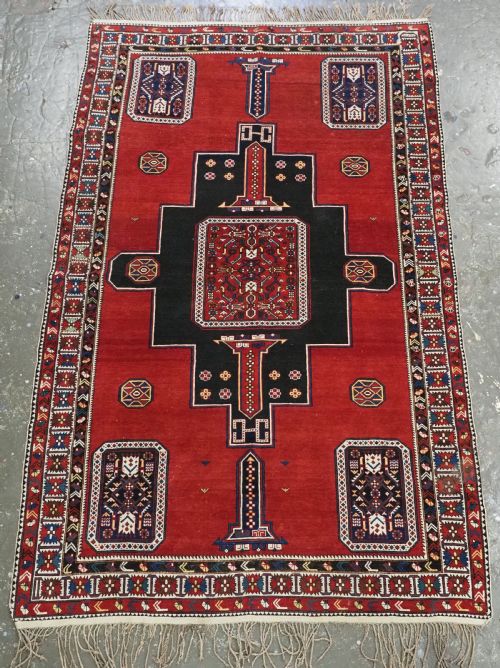
Vintage Caucasian Area Rug
A vintage caucasian area rug brings geometric motifs, bold colour combinations and rich tribal history directly onto your floor.
Vintage Caucasian Area Rug
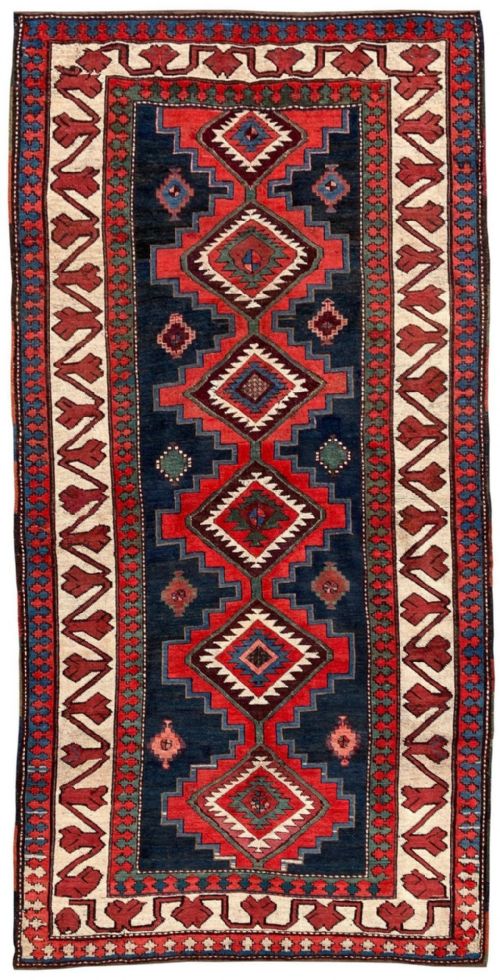
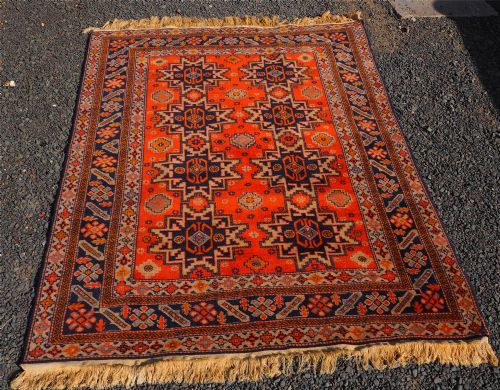
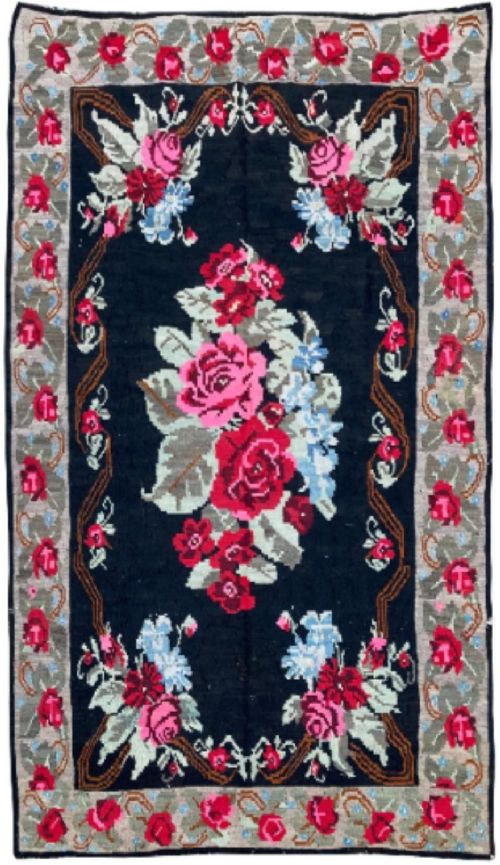
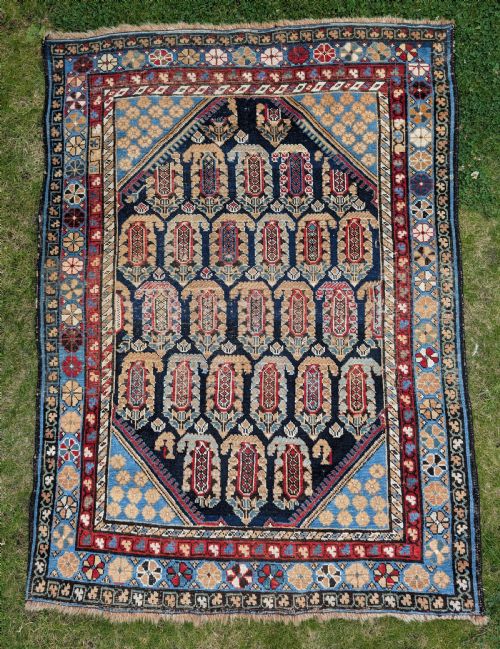
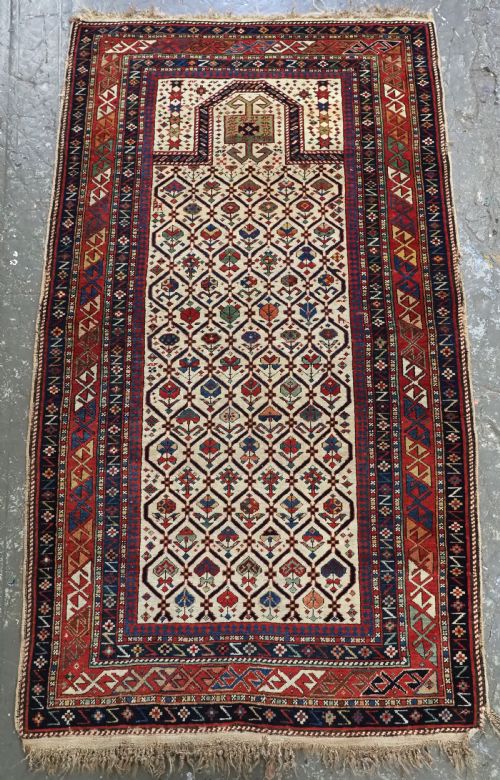
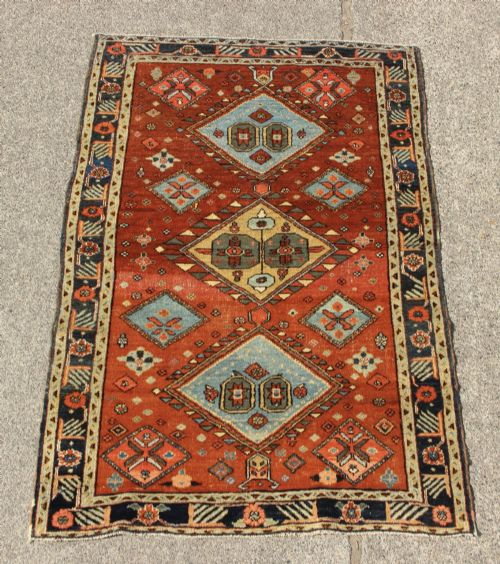
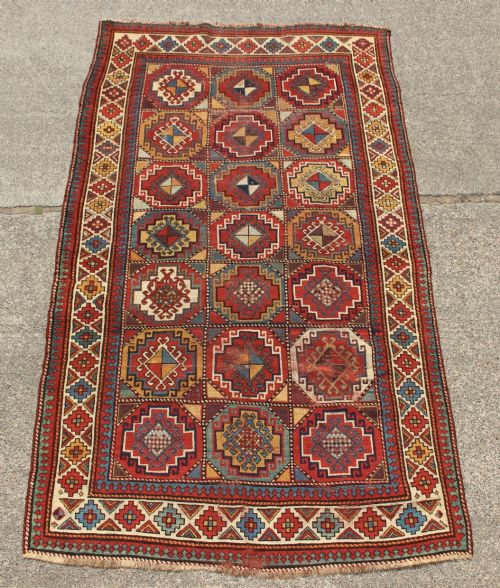
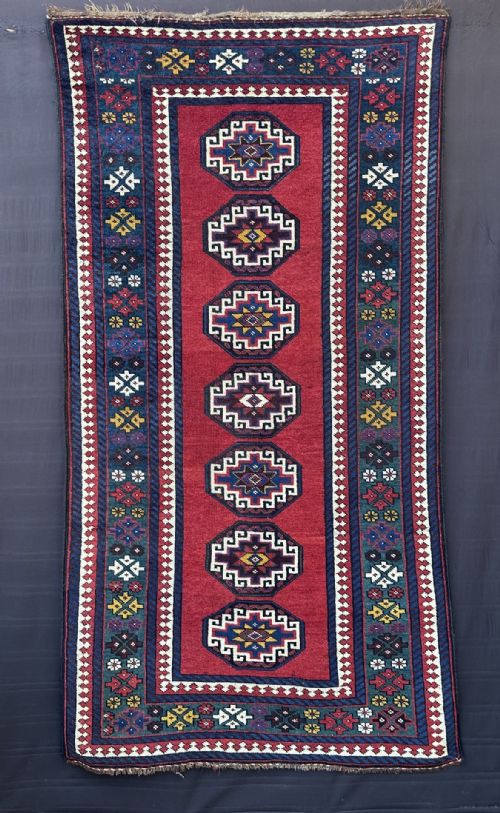
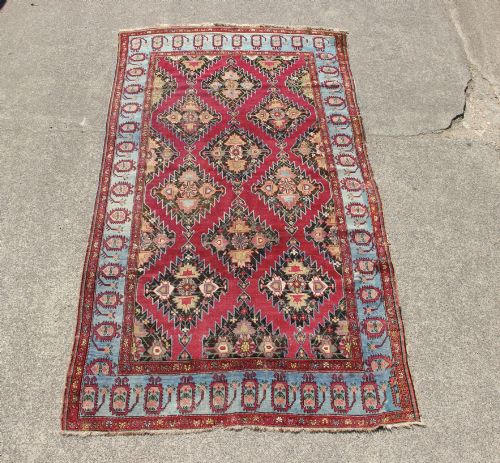
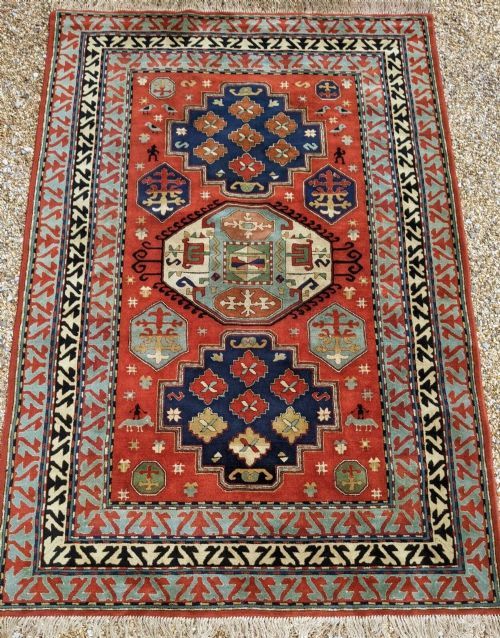
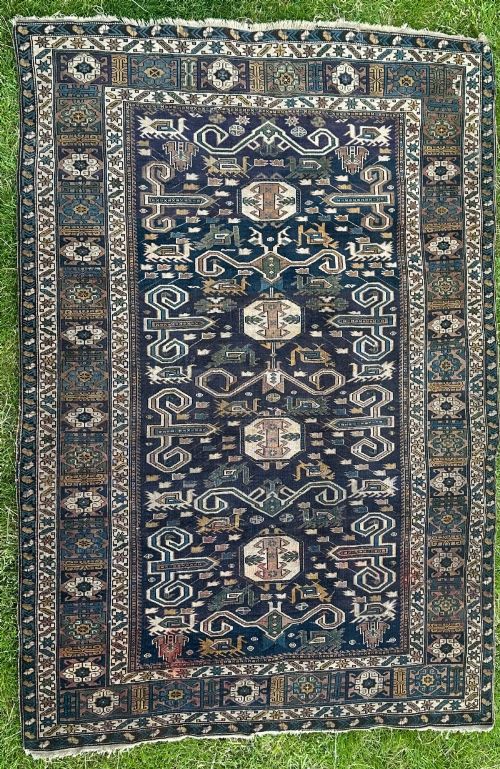
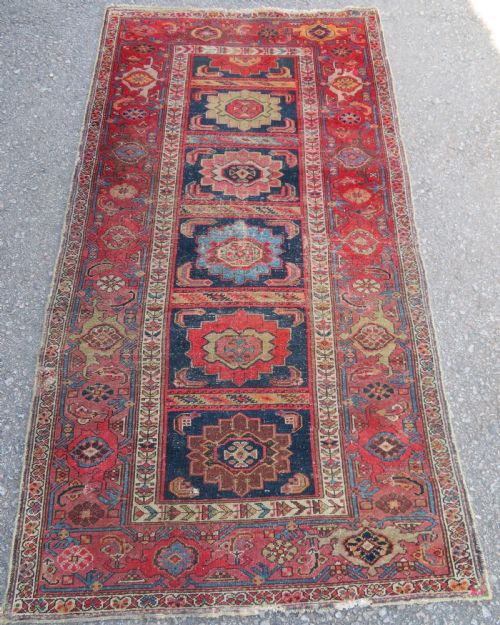
When you search for a vintage caucasian area rug, you encounter hand-knotted floor coverings hailing from the Caucasus region and surrounding nomadic traditions, dating from the mid-nineteenth century through the early twentieth century. These pieces encompass specific regional styles such as Kazak, Karabagh, Kuba, Shirvan and Daghestan, alongside related tribal formats like Kurdish and Karaja examples.
The most common formats you will meet on this page are medium-sized rugs and smaller carpets, often featuring striking geometric medallions, prayer designs, or characteristic animal and star motifs. Runners and kilims also appear frequently, spanning production dates from the eighteen-fifties up to the nineteen-thirties.
These textiles served practical functions in village and nomadic settings before entering the collector market. Their enduring appeal lies in the direct connection they provide to traditional weaving communities and regional symbolisms.
How they were made
The construction relies fundamentally on wool pile tied by hand onto cotton or wool foundations, utilising sturdy hand-spun materials that yield a dense and durable textile. Konagkend, Borchalu and Moghan pieces demonstrate the meticulous knotting techniques passed down through generations in specific mountain workshops and nomadic camps.
Colour comes primarily from natural dyes, producing the characteristic mellow tones and saturated hues that develop a pleasing patina over decades of use. The combination of hand-spun wool and traditional dyestuffs gives these carpets their distinctive textural depth and resistance to wear.
Vintage Caucasian Area Rug Retail Price Guide 2026
Typical asking prices for vintage caucasian area rug among the pieces listed under this phrase on Sellingantiques today, from the lower quarter to the upper quarter. They describe what is for sale here now, not the wider market.
Listings span production dates from the eighteen-fifties through the nineteen-thirties, utilising hand-spun wool and natural dyes.
What varies in quality
Quality in these textiles rests upon the precision of the knotting, the complexity of the geometric design and the clarity of the regional motifs. Finer examples display crisply articulated cruciform medallions, Lezghi stars, or intricate floral lattices that maintain their structural integrity across the field.
The integrity of the wool and the depth of the natural dyes further separate standard village output from superior collector specimens. Pieces retaining their original proportions and uncompromised pile exhibit a harmonious balance that reflects the maker's mastery.
The Vintage Caucasian Area Rug Glossary
- Kazak
- A designated style of rug originating from the Western Caucasus, known for bold geometric designs and primary colour palettes. These pieces frequently incorporate large medallions and animal motifs.
- Kilim
- A flat-woven carpet or rug lacking a pile, produced by tightly interweaving warp and weft strands. This technique creates a lightweight textile suitable for both floor placement and wall hanging.
- Kelleh
- A large, elongated format of carpet traditionally used in specific reception rooms of regional homes. They offer extended proportions compared to standard area rugs.
- Prayer rug
- A textile featuring a distinct mihrab or arch design indicating the direction of prayer. These formats often include specialised floral or lattice iconography.
- Warp
- The stationary vertical strings stretched across a loom that form the structural foundation of the rug. Weft threads are then interlaced across these vertical elements.
Vintage Caucasian Area Rug: Frequently Asked Questions
How do I identify a Kazak rug?
Kazak rugs are typically recognised by their bold, geometric primary medallions, heavy wool pile, and a restricted palette of vibrant primary colours. They originate from the Western Caucasus and often feature rectilinear animal or star motifs.
Examining the back of the textile reveals the hand-knotted structure and sometimes the irregularities typical of nineteenth-century village production.
Where were Daghestan rugs made?
Daghestan rugs were woven in the mountainous region of the Eastern Caucasus bordered by the Caspian Sea. Weavers here favoured intricate floral lattices, prayer arches, and precise geometric patterning.
These pieces often employ crisp detailing and distinct colour combinations characteristic of North-Eastern weaving traditions.
Can I use an antique rug in a hallway?
Many surviving examples include runner formats specifically proportioned for corridors and narrower spaces. Their durable wool construction handles moderate foot traffic when paired with a quality underlay.
Rotating the textile periodically ensures even wear patterns across the length of the runner.
What is a Karabagh kilim?
A Karabagh kilim is a flat-woven textile from the Karabagh region in the Southern Caucasus, made without a raised pile. These flatweaves showcase traditional Caucasian motifs through slit-weave or supplementary weft techniques.
Their lightweight structure makes them versatile additions to contemporary interiors.