
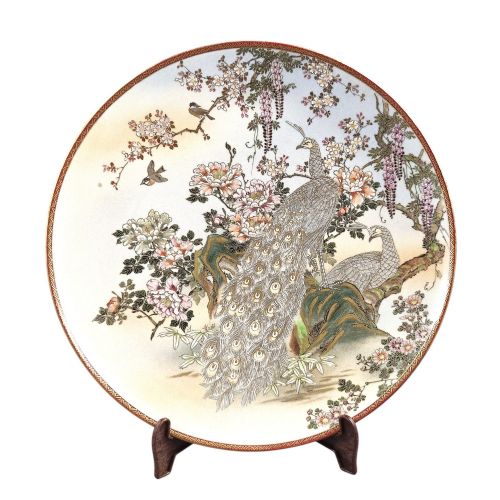


Oriental Enamel Wall Plate
An oriental enamel wall plate brings the meticulous artistry of nineteenth-century Asian metalwork and ceramics directly into a modern interior.
Oriental Enamel Wall Plate
An oriental enamel wall plate encompasses decorative chargers, plaques and shallow dishes originating from Japanese and Chinese traditions. When searching for an oriental enamel wall plate, collectors typically encounter nineteenth-century works created during the Meiji and late Edo periods, alongside occasional porcelain examples.
The forms span large chargers measuring up to fifty centimetres down to medium decorative plates designed specifically for display. These objects utilise diverse surfaces, ranging from metallic cloisonne bases to Satsuma and Kutani ceramics.
How they were made
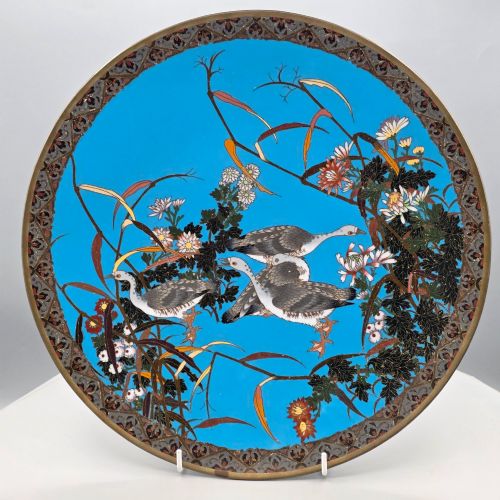
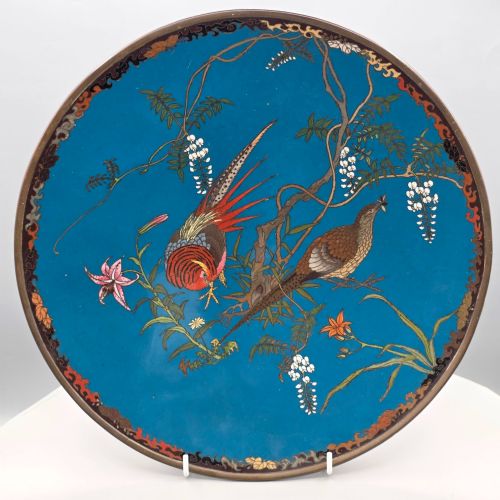
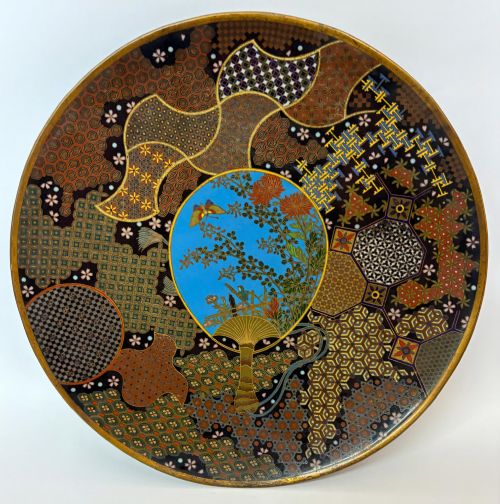
Cloisonne pieces rely on copper, brass or bronze bodies fitted with delicate wire partitions known as cloisons, which are subsequently filled with coloured enamel pastes and fired. Artisans then grind and polish the surface until the metal wires and vitrified enamel form a smooth, continuous plane.
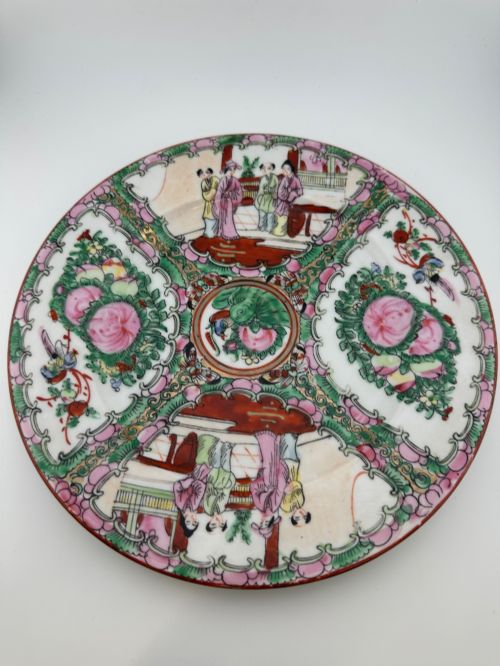
Porcelain variants employ hand-painted mineral pigments applied directly to the ceramic body before glazing and kiln firing. Artisans occasionally incorporate gold leaf and gilt detailing to accentuate specific pictorial elements across both metal and ceramic grounds.
Listings span the nineteenth century, including the Meiji period, late Edo period, and Qing dynasty, utilising enamel, copper, brass, porcelain, and gold leaf.
What varies in quality
The standard of execution depends heavily on the precision of the wirework and the complexity of the subject matter depicted. Finer works display intricate pictorial representations of fauna, dragons, samurai or landscapes executed with exceptional density and controlled colour palettes.
Surface finish and polishing discipline distinguish superior examples from standard production pieces. Advanced manufacturing involves meticulous grinding to eliminate pitting in the enamel and ensure absolute uniformity across the entire plane.
The Oriental Enamel Wall Plate Glossary
- Charger
- A large ornamental plate traditionally intended for display rather than dining. These substantial pieces frequently measure over thirty centimetres in diameter.
- Cloisonne Enamel
- A technique where thin metal wires are soldered onto a metal base to create compartments for enamel paste. These wires remain visible on the finished surface as fine metallic outlines.
- Totai Shippo
- A specialised form of cloisonne where enamel is applied over a ceramic or porcelain core rather than solid metal. This method produces translucent effects resembling traditional ceramics.
- Satsuma
- A type of Japanese earthenware featuring a pale, ivory-coloured cracked glaze decorated with intricate enamel and gilt motifs. These ceramics often portray figural scenes and dense botanical arrangements.
- Meiji Period
- An era in Japanese history spanning from eighteen sixty-eight to nineteen twelve marked by significant artistic output and international trade. Works from this time display advanced technical mastery in metalwork.
Oriental Enamel Wall Plate: Frequently Asked Questions
How should an oriental enamel wall plate be hung?
These decorative pieces require specialised spring-loaded brass wall hangers that grip the rim securely without scratching the enamel or metal body. It is essential to choose a mounting point that supports the considerable weight of larger copper-based chargers.
Placement should avoid direct sunlight to preserve the vibrancy of the coloured enamel pigments over time. Ensuring a stable wall fixing prevents accidental dislodgement in high-traffic areas.
What subjects appear on these plates?
The decorative motifs draw heavily from traditional Asian iconography, featuring creatures such as dragons, leaping koi, ho-o birds and owls. Landscapes, Mount Fuji and botanical studies involving chrysanthemums and peonies also recur frequently.
Narrative scenes depicting samurai or auspicious symbols provide additional cultural context. Each design reflects the prevailing artistic priorities of the Meiji and Edo periods.
How do I distinguish cloisonne from porcelain pieces?
Cloisonne pieces utilise a metallic body of copper or brass with visible wire partitions separating areas of coloured glass paste. Running a finger across the surface reveals the slight physical texture of the polished wires.
Porcelain items present a smooth glazed ceramic substrate without metal framing. Painted details on porcelain sit beneath a clear vitreous glaze rather than opaque enamel fields.
Were these plates made for export?
Many nineteenth-century chargers and plaques were produced specifically for Western export following the reopening of trade routes during the Meiji era. European and American demand encouraged workshops to create larger, highly ornate display pieces.
These export items frequently combined traditional iconography with ambitious sizing to appeal to foreign collectors. Consequently, many surviving examples retain a high degree of decorative elaboration.