


Blue Enamel Display Dish
A blue enamel display dish brings together rich surface colour and meticulous metalwork, offering striking focal points for any room.
Blue Enamel Display Dish
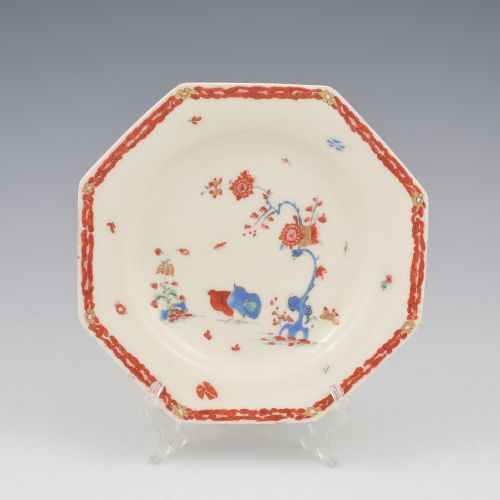
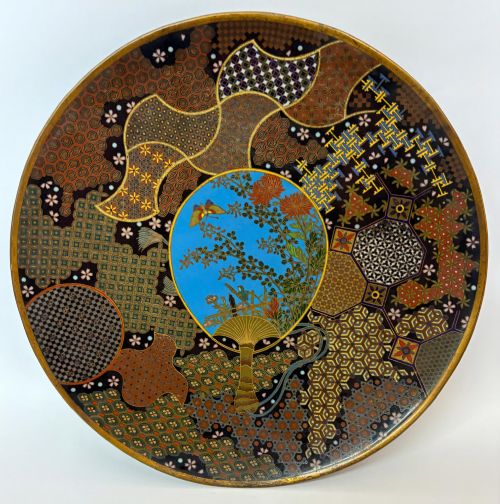
A blue enamel display dish encompasses a variety of decorative chargers, bowls, and plates designed primarily for visual appeal rather than dining. When searching for a blue enamel display dish, buyers encounter numerous Japanese cloisonne pieces alongside Georgian porcelain.
The selections range from massive chargers featuring dragons and leaping koi to delicate octagonal plates and shallow bowls. These pieces cross several eras, including the eighteenth century, the nineteenth century, and specific periods of Japanese craft such as the Meiji and Edo periods.
Materials and construction methods
Many of these works utilise copper as a foundation, overlaid with intricate cloisonne enamel where thin metal wires create cells for coloured pastes. Firing fixes the glassy layers to the metal base before polishing yields a smooth finish.
Other examples rely on soft-paste porcelain and glaze, applying traditional ceramic techniques seen in Imari and Bow production. Artisans shape brass and copper components to form durable display trays, plaques, and chargers.
Frogs, butterflies, and leaping koi frequently share surface space with mighty dragons on these antique display pieces.
Distinctions in craftsmanship
The distinction between standard items and superior examples lies in the complexity of the design and the precision of the metal wirework. Finer cloisonne displays exceptional control over colour gradients and enamel density within each tiny cell.
Scale and ambition also divide the range, as enormous chargers featuring elaborate dragons or aquatic scenes demand greater technical mastery than smaller, simpler plates. The clarity of the glaze and the crispness of the underlying material complete the hierarchy.
The Blue Enamel Display Dish Glossary
- Cloisonne Enamel
- A technique where metal wires are soldered to a metal base to form compartments filled with enamel paste and fired. This method creates detailed pictorial surfaces on chargers and plates.
- Charger
- A large decorative plate or platter intended for display on a wall, cabinet, or stand rather than for serving food. These items form a substantial portion of the available decorative wares.
- Soft-paste Porcelain
- A ceramic material composed of clay and glass frit, fired at lower temperatures than hard-paste porcelain. Eighteenth-century factories utilised this body for decorative plates and tableware.
- Imari
- A style of Japanese porcelain featuring underglaze blue and overglaze iron red, gold, and other colours. It appears on bowls and plates from the nineteenth century and earlier.
Blue Enamel Display Dish: Frequently Asked Questions
How were these large chargers displayed originally?
Large decorative chargers were typically exhibited on sideboards, walls, or specialised stands in formal reception rooms. Their primary function was to showcase wealth, artistic taste, and intricate craftsmanship.
Over time, collectors continued this tradition by placing them in prominent interior settings where their vibrant colours and detailed motifs could command attention.
What is the difference between cloisonne and porcelain pieces?
Cloisonne pieces rely on metal bases such as copper or brass with glass enamel pastes held by wire partitions. Porcelain items utilise fired ceramic clay and glaze.
Both categories serve as decorative display dishes, yet their manufacturing processes and visual textures differ entirely.
How do I identify a Meiji period piece?
Meiji period works often display remarkable technical precision in metalwork and enamel shading. Common motifs include dragons, birds, and aquatic scenes executed with high definition.
These nineteenth-century items represent a golden age of Japanese decorative arts intended heavily for export.
Can these plates be used for food?
These items are strictly intended as display objects, chargers, and decorative plaques. Their historical value and delicate enamel or ceramic surfaces mean they are unsuited for culinary use.
Exhibiting them safely preserves their intricate designs and material integrity for the future.