


Oriental Decorative Metal Dish
An oriental decorative metal dish brings tangible history to a room, offering intricate craftsmanship from Asian traditions.
Oriental Decorative Metal Dish
The dates span from the mid-nineteenth century through the Meiji and Taisho periods up to the early twentieth century. Forms range from medium plates to large chargers measuring up to fifty centimetres across, often depicting birds, dragons, and landscapes.
These items served primarily as ornamental display pieces rather than utility wares. Their survival in varied sizes demonstrates the high demand for Asian metalwork during the Victorian era and beyond.
How they were made
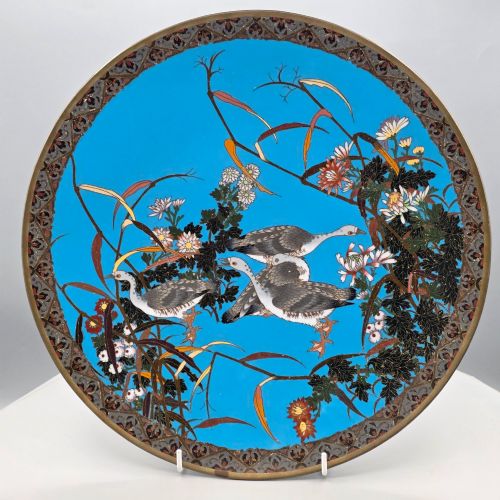
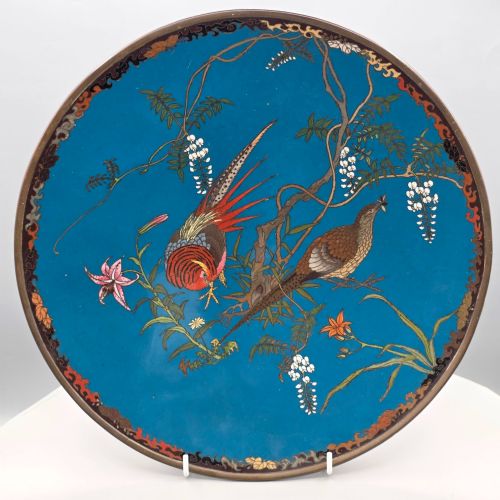
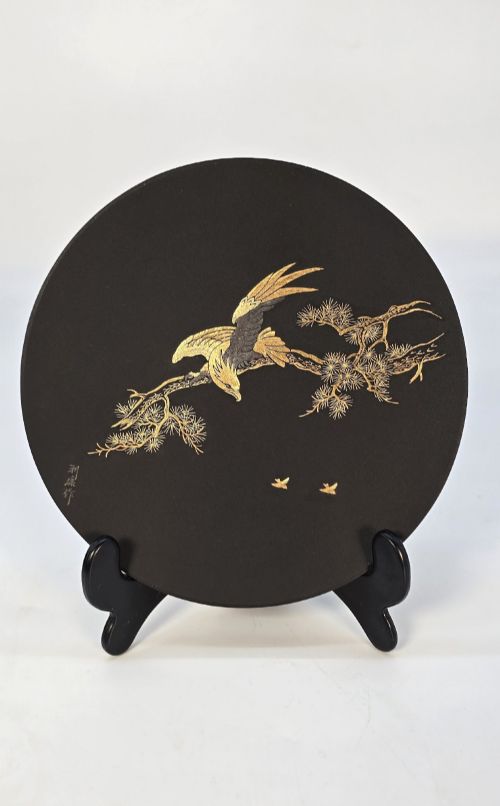
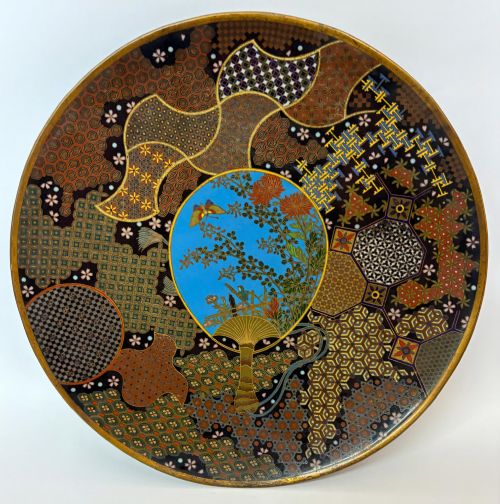
Cloisonne enamel pieces utilise thin brass or copper wire soldered onto a metal base to create compartments, which are then filled with coloured enamel pastes before firing and polishing. Other examples employ patinated iron or bronze decorated with delicate gold and silver inlay work.
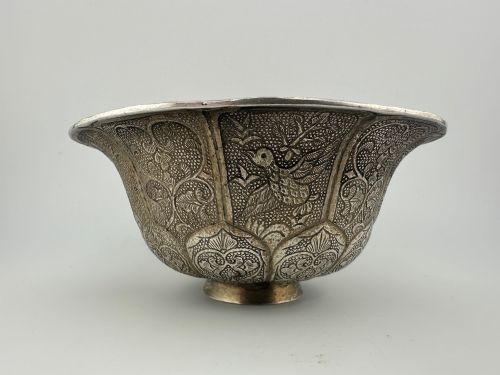
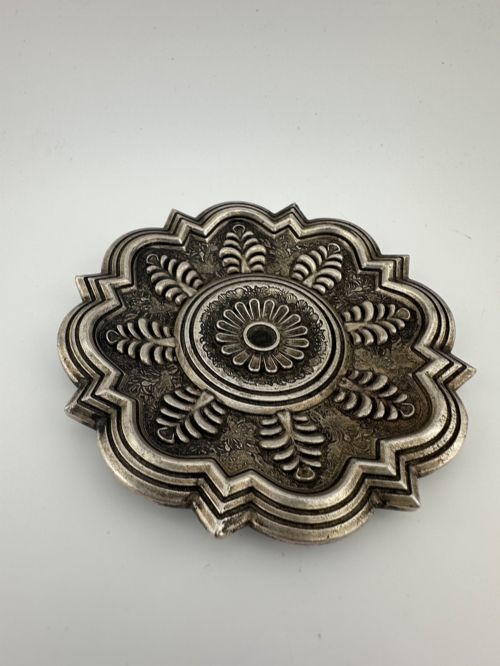
Chinese white metal and brass items often incorporate repousse or engraved detailing showing floral and avian motifs. Japanese mixed-metal dishes frequently combine different metal alloys to achieve contrasting tones across the surface design.
The listings span from the mid-nineteenth century Edo period through the Meiji era, focusing heavily on copper, brass, and cloisonne enamel forms.
What varies in quality
The precision of the wirework and the depth of the enamel colour separation dictate the standard of cloisonne pieces. Finer items exhibit microscopic cell work and complex pictorial themes like landscapes or fighting dragons rather than simple repeating patterns.
Signatures by recognised makers or studios elevate specific plates and trays above unsigned commercial output. The weight of the metal base and the crispness of any inlaid gold or silver also separate ordinary vessels from masterworks.
Kinkozan·Komai
The Oriental Decorative Metal Dish Glossary
- Cloisonne enamel
- A decorative metalwork technique where wire partitions hold enamel pastes before firing. This method creates detailed coloured cells across the face of a charger or bowl.
- Charger
- A large ornamental plate intended for display on a wall or sideboard rather than for serving food. These pieces form the largest format among decorative metal dishes.
- Meiji Period
- A Japanese historical era lasting from 1868 to 1912 noted for a surge in export arts. Many of the finest enamel and metal dishes date from this span.
- Patinated iron
- Metal treated with chemicals to produce an aged surface colour. Artisans then applied gold and silver inlay directly into this dark ground.
- Repousse
- A metalworking method where the design is hammered into relief from the reverse side. This technique gives depth to floral and bird motifs on brass and white metal dishes.
Oriental Decorative Metal Dish: Frequently Asked Questions
How were these decorative metal dishes displayed originally?
Victorian and Edwardian collectors typically placed large chargers on specialised easels or mounted them directly onto walls to showcase their vibrant colours. Smaller plates and bowls rested on cabinets or tables as centrepieces.
Because they were valued as ornamental art objects rather than tableware, they escaped kitchen wear and tear.
What is the difference between a charger and a plate?
Chargers are substantially larger decorative platters, frequently measuring thirty centimetres or more in diameter, designed specifically for prominent visual display. Plates are smaller in scale and easier to integrate into grouped tabletop arrangements.
Both formats utilise similar metalworking and enamelling techniques depending on their workshop origin.
How do I identify a Meiji period piece?
Meiji period metalwork often displays intricate cloisonne wirework depicting natural subjects like koi fish, chrysanthemums, and Mount Fuji. The overall aesthetic reflects the intense artistic standard aimed at Western export markets during that era.
Signatures or artisan marks on the reverse or base further point toward this active Japanese period.
Can I polish tarnished brass or copper sections?
Aggressive metal cleaning removes the historical patination and can damage delicate wire borders or enamel fills. Gentle dusting with a dry microfibre cloth is generally sufficient for maintenance.
Retaining the original surface sheen preserves the character and historical integrity of antique metalwork.