


Qing Dynasty Enamel Plate
A qing dynasty enamel plate brings brilliant polychrome palettes and imperial ambition to a tabletop, shaped by centuries of kiln mastery.
Qing Dynasty Enamel Plate
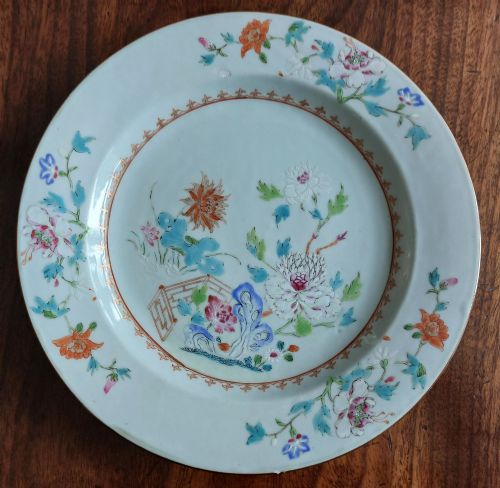
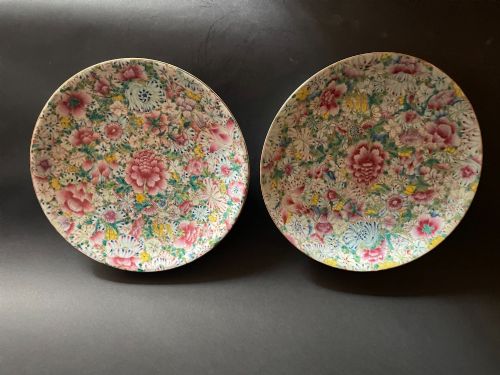
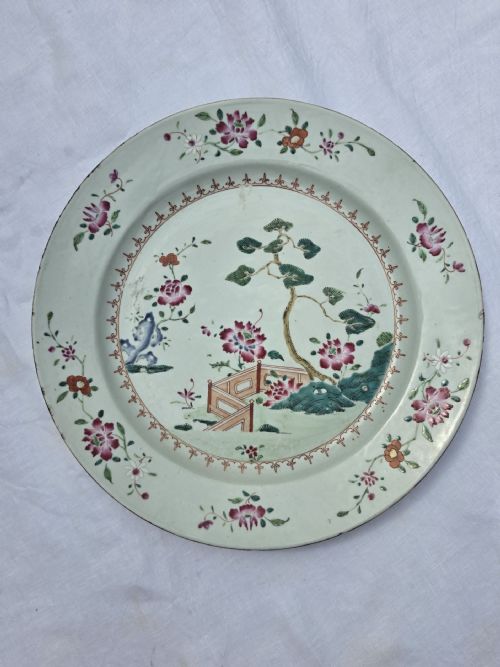
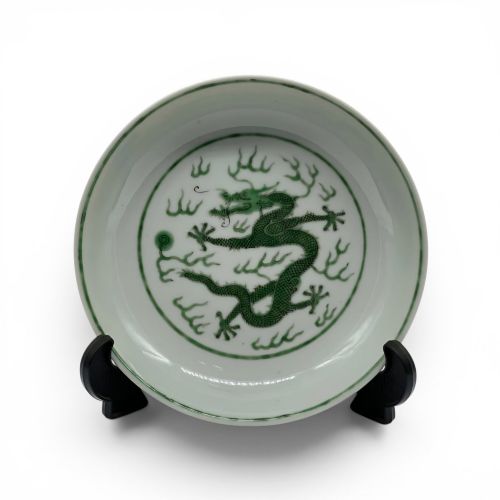
A qing dynasty enamel plate spans decorative plates, chargers, and dishes produced during the Qing period, often featuring rich symbolic motifs like birds, florals, and dragons. Buyers encounter forms ranging from circular chargers to trefoil trays and shamrock-shaped dishes.
The material vocabulary centres on hard-paste porcelain and copper, decorated with vibrant overglaze enamel, gold leaf, and enamel glaze. Pieces emerge from the eighteenth and nineteenth centuries, alongside specific objects carrying Qianlong and Guangxu marks.
Materials and methods
Craftsmen built these vessels from hard-paste porcelain or copper bodies, applying intricate overglaze enamels and gold leaf by hand. Famille rose and famille verte palettes required precise pigment layering and controlled kiln firings to achieve their characteristic depth.
Cloisonne pieces utilised soldered metal wires to form intricate compartments that held powdered enamels before firing. Iron-red and gilt treatments demanded exact temperature control to fuse metallic pigments permanently to the ceramic or metal surface.
Distinctions in craftsmanship
Quality rests upon the precision of the hand-painted brushwork and the complexity of the palette, where finely rendered acrobatics, figures, or botanical scenes elevate a piece. Imperial-style commissions display superior control over iron-red, gilt, and multi-coloured enamel applications.
The crispness of form, whether a standard circular charger or a moulded trefoil tray, defines the structural merit. Heavier potting and well-preserved gilding distinguish superior surviving examples from simpler domestic wares.
The Qing Dynasty Enamel Plate Glossary
- Famille Rose
- A prominent palette of opaque pink and rose enamels introduced during the Qing dynasty. It allowed artists to achieve subtle tonal gradations and complex pictorial scenes.
- Famille Verte
- An enamel palette dominated by green tones supplemented by contrasting pigments. This style flourished particularly during the earlier Qing periods.
- Cloisonne
- A metalworking technique where thin wires are soldered to a copper base to create cells. These compartments are filled with enamel paste and fired.
- Qianlong
- The emperor whose long eighteenth-century reign fostered exceptional technical refinement in porcelain and enamel production. Pieces from this era command significant collector interest.
- Imperial-Style
- Wares produced for or inspired by the imperial court, often featuring specific auspicious motifs such as dragons and dragon marks. They represent the pinnacle of official kiln output.
Qing Dynasty Enamel Plate: Frequently Asked Questions
How do I identify a qing dynasty enamel plate?
Look closely at the enamel palette, supporting material such as porcelain or copper, and any reign marks on the base. Eighteenth-century pieces often display famille rose colours and finely detailed hand-painted scenes.
Compare the potting weight and edge finishing against documented period examples. Imperial-style pieces frequently incorporate specific motifs like dragons or formal floral borders that signal court production.
What is the difference between famille rose and famille verte?
Famille rose relies on an opaque pink or purple enamel derived from colloidal gold, introduced during the eighteenth century. This allowed artists to blend softer pastel shades.
Famille verte is dominated by vibrant green enamels alongside iron-red, yellow, and blue. It creates a brighter, more contrasting visual effect across plates and dishes.
How should I display a qing dynasty enamel plate?
Mount plates securely on specialist wall brackets or display them on stable plate stands inside enclosed cabinets. Protect them from direct sunlight and sudden temperature shifts to safeguard the delicate overglaze enamels.
Keep handling to a minimum and support the entire base when moving porcelain or cloisonne pieces. Dust them gently with a dry, soft brush rather than using liquid cleaners.
Are all these plates made of porcelain?
No, while hard-paste porcelain forms the base for many items, others utilise copper as a metal core for cloisonne work. Both materials served as canvases for intricate enamel decoration.
Check the reverse and rim to determine whether the substrate is ceramic or metal. Each material requires distinct manufacturing techniques and offers a different tactile experience.