



Qing Dynasty Decorative Plate
A qing dynasty decorative plate brings centuries of imperial porcelain tradition directly to your walls and tables.
Qing Dynasty Decorative Plate
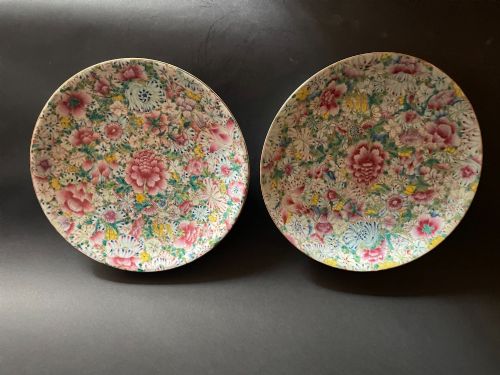
When you search for a qing dynasty decorative plate, you encounter ceramics spanning multiple centuries alongside later interpretations. The listings range from eighteenth-century pieces bearing Canton enamel or Famille Rose palettes to twentieth-century decorative chargers and dishes.
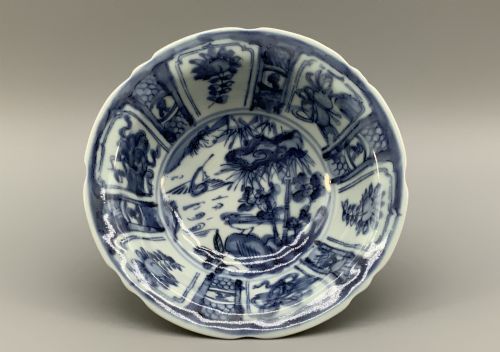
Most examples you will meet on this page take the form of round porcelain plates, chargers, and lobed bowls. The physical objects vary from small hand-painted dishes to large chargers decorated with cobalt underglaze or iron-red and gilt motifs.
Materials and methods
The primary material across these listings is porcelain, frequently combined with cobalt underglaze, enamel, and gold leaf. Potters shaped the clay before applying pigments and glazes that required high-temperature kiln firing.
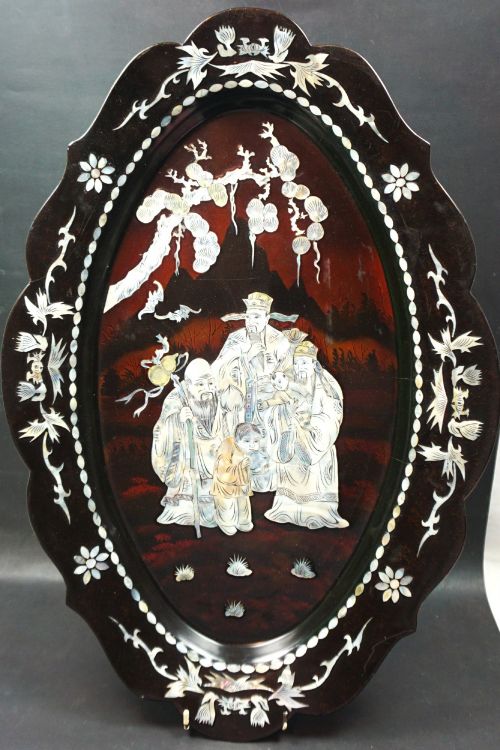
Makers utilised manual hand-painting techniques, moulding, and cloisonné work on brass or copper foundations. Artisans also incorporated organic elements such as mother-of-pearl inlay within wooden platters.
The listings span multiple centuries, ranging from the eighteenth century to the twentieth century, and feature porcelain, enamel, brass, copper, and lacquered wood.
Judging execution and detail
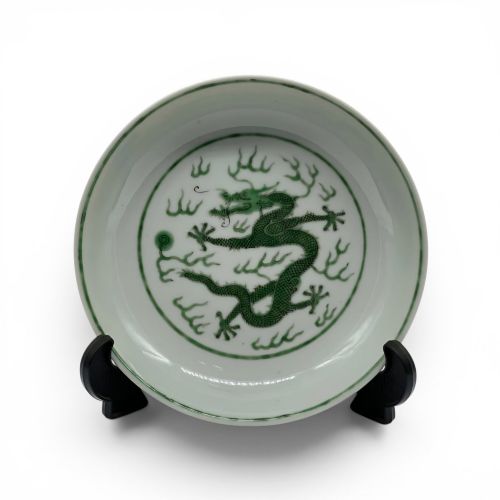
Quality rests upon the precision of the hand-painted brushwork and the clarity of the cobalt underglaze or Famille Rose enamels. Finer examples display meticulous control over intricate motifs like the hundred shou characters or imperial green dragons.
The sophistication of the moulded rim, the stability of the glaze, and the preservation of gold leaf or enamel distinguish standard decorative plates from exceptional imperial-style dishes.
The Qing Dynasty Decorative Plate Glossary
- Famille Rose
- A palette of opaque pink and other pastel enamels introduced during the Qing dynasty. This technique allowed for nuanced shading in floral and figurative scenes.
- Cobalt Underglaze
- A blue pigment applied to the raw porcelain body before glazing and firing. It creates the permanent blue designs characteristic of traditional Chinese blue and white porcelain.
- Imari
- A style originating in Japan and adopted in China, defined by a distinct colour scheme of underglaze blue, iron red, and gilt highlights. These plates present busy, patterned surfaces.
- Canton Enamel
- Painted copper or brass wares decorated with colourful enamels. This technique produced vibrant dishes associated with southern Chinese export trade.
- Charger
- A large decorative plate utilised primarily for display rather than dining. These substantial pieces showcase the artist's full compositional range.
Qing Dynasty Decorative Plate: Frequently Asked Questions
How are these plates displayed?
Many buyers mount larger chargers and platters on walls using specialised plate hangers to display the painted scenes. Smaller dishes and bowls sit securely on flat surfaces using display stands.
Positioning the pieces away from direct heat sources and abrasive cleaning methods preserves the delicate enamel and gold leaf decorations over time.
What does a six-character mark mean?
Six-character marks on the reverse of porcelain dishes typically name the reigning emperor of the period. These marks served as a sign of imperial patronage and workshop attribution.
Collectors examine the style of the calligraphy and the quality of the surrounding glaze to determine whether a mark corresponds to the actual production period.
Are these plates meant for food?
Antique decorative plates and chargers function primarily as visual art rather than functional tableware. The fragile nature of historical enamels and glazes makes them unsuitable for modern dining.
Gentle dusting with a soft, dry cloth is sufficient for maintenance, avoiding harsh detergents that might damage the surface pigments.
What distinguishes Famille Rose from blue and white?
Famille Rose relies on a polychrome palette featuring opaque pinks, greens, and yellows applied over the fired glaze. This technique allows for complex pictorial storytelling.
Blue and white porcelain uses cobalt pigment applied directly to the clay body underneath a clear glaze before the single high-temperature firing.