




Asian Wall Charger
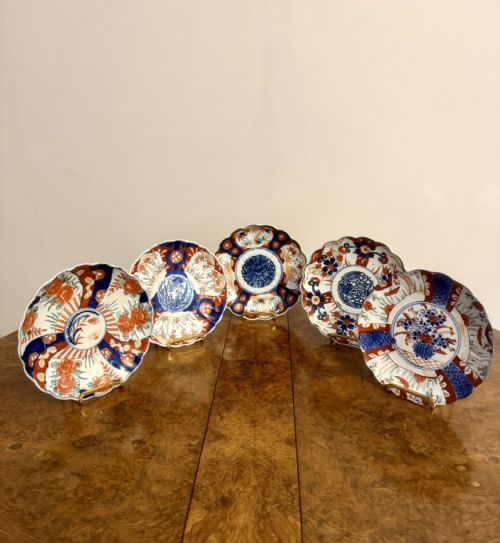
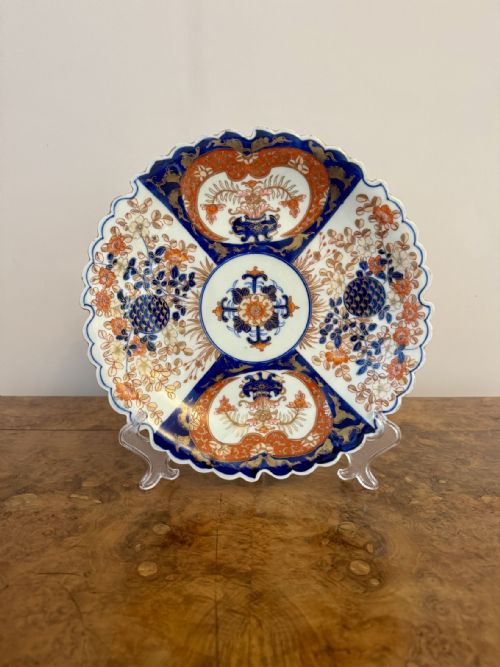
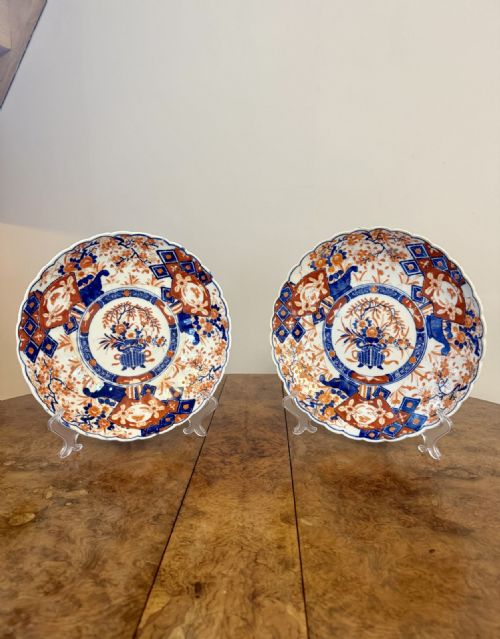
These large display pieces offer a rich glimpse into historic Asian craftsmanship, making an asian antique wall charger a striking focal point for interior display.
Asian Wall Charger
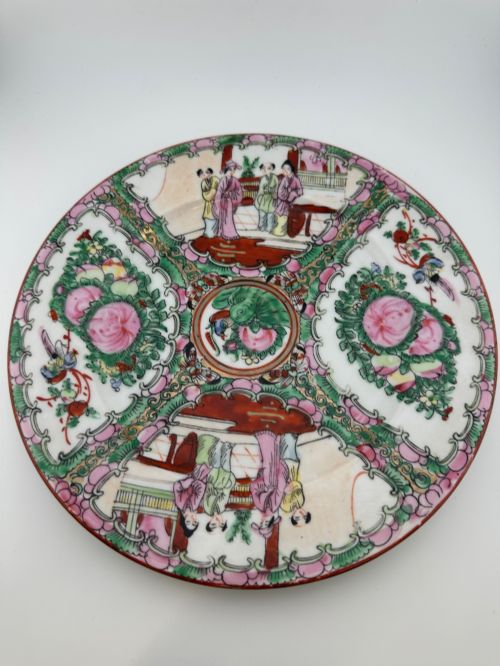
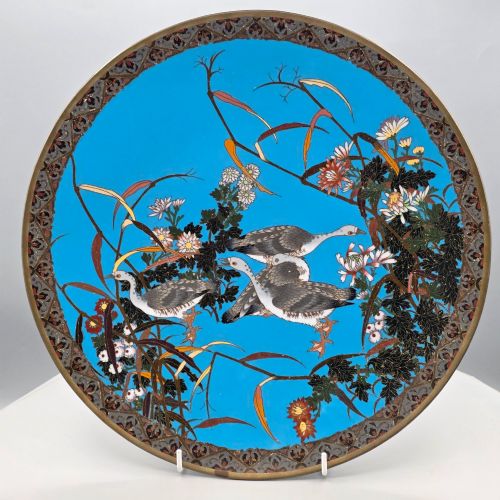
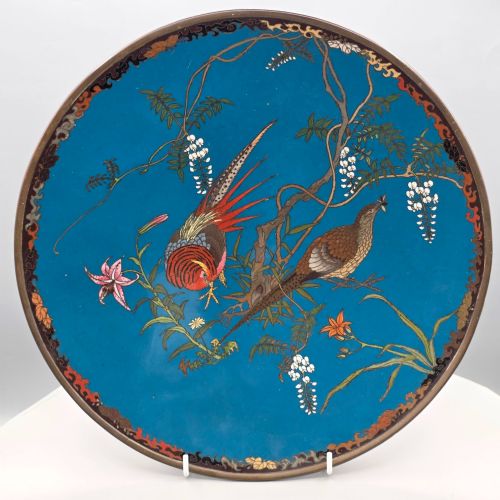
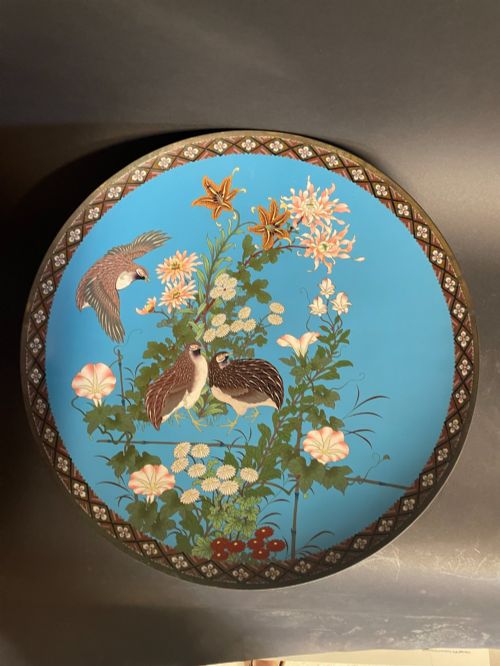
An asian antique wall charger typically presents as a broad, decorative ceramic or metal plate intended primarily for display rather than dining. The forms span large circular dishes, square plates, and wall plaques designed to be hung or mounted.
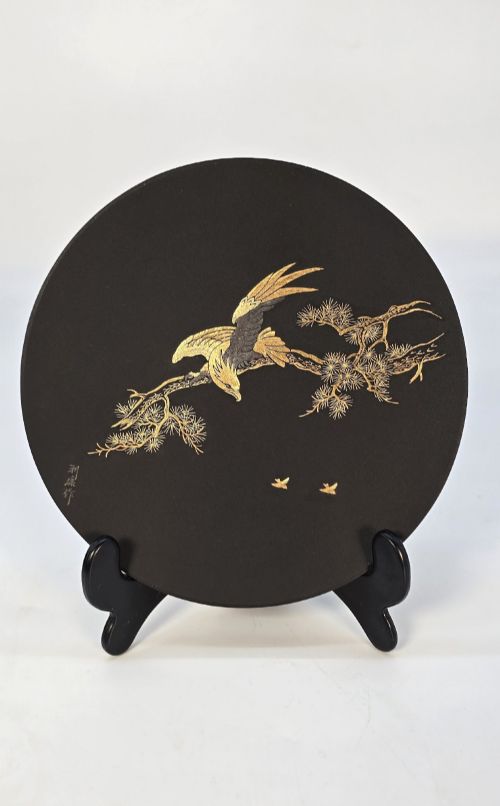
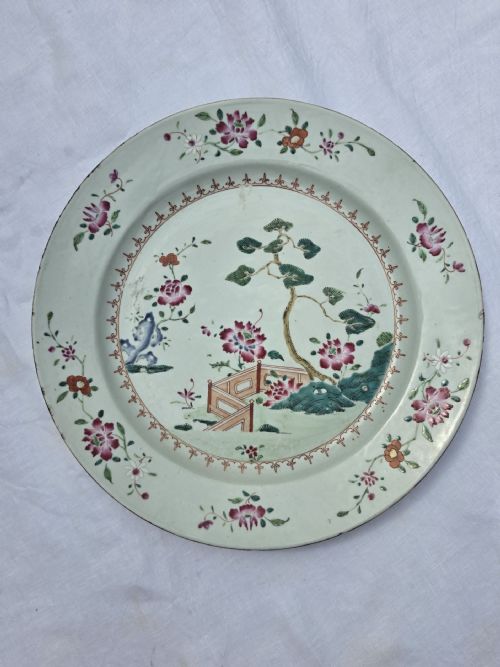
The pieces appearing most frequently originate from the Meiji period in Japan, alongside Chinese export wares and Edo period examples. Makers utilised traditional motifs such as birds, deities, and floral scenes across porcelain, cloisonné enamel, and patinated metal.
How they were made
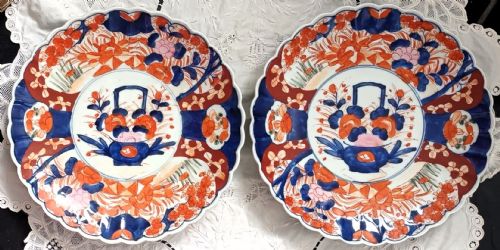
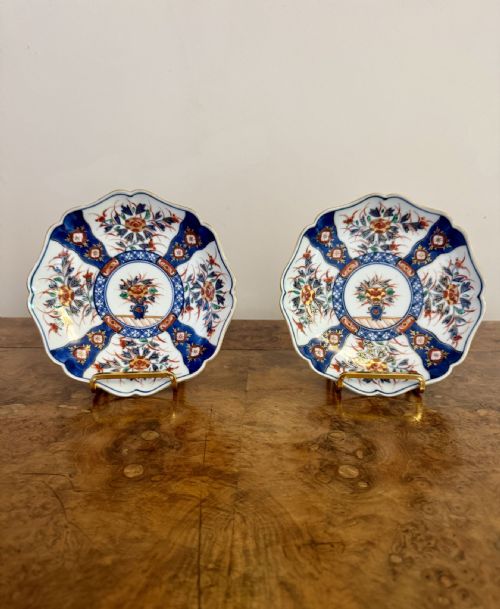
Ceramic chargers rely on porcelain clay bodies shaped into large plates and finished with hand-painted glazes, often incorporating traditional Japanese Imari palettes or Chinese famille rose enamels. Metal examples employ copper or brass foundations shaped into plaques and dishes.
Cloisonné enamel pieces utilise fine metal wires soldered to a metal base to create compartments, which are then filled with coloured glass paste and fired. Iron and bronze plaques frequently feature intricate gold and silver inlay work.
Japanese Meiji period cloisonné enamel works dominate the selection, alongside traditional Imari porcelain plates and dishes.
What varies in quality
The distinction between standard and superior pieces rests on the precision and complexity of the hand-painted or inlaid decoration. Masterpieces display finer brushwork, more intricate wirework in enamel pieces, and deeply detailed subject matter like historical figures or native fauna.
Subtlety of colour balance and the harmony of composition separate ordinary production pieces from works executed by skilled workshops. The crispness of the porcelain body and the weight of the metal base also indicate the original tier of manufacture.
Koshida
The Asian Wall Charger Glossary
- Charger
- A large decorative plate or platter traditionally used for ceremonial display rather than direct service at table. These pieces measure significantly wider than standard dinner plates.
- Cloisonne Enamel
- A decorative metalwork technique where thin wires are soldered to a surface to form cells filled with enamel paste and fired. This method creates detailed pictorial designs in vibrant colours.
- Imari
- A style of Japanese porcelain featuring a distinct palette of underglaze blue and iron red, often augmented with gold. These wares were heavily produced for export during the Edo and Meiji periods.
- Meiji Period
- An era in Japanese history spanning from 1868 to 1912, noted for openness to international trade and exceptional decorative arts production. Works from this time often showcase advanced metalwork and refined porcelain.
- Famille Rose
- A palette of Chinese porcelain enamels dominated by opaque pink or rose colours introduced in the eighteenth century. The style allows for subtle shading and intricate floral or figural motifs.
Asian Wall Charger: Frequently Asked Questions
How were antique chargers displayed?
Historic households typically mounted these large plates on walls or set them into specialised display stands on cabinets and sideboards.
Their substantial diameter made them ideal visual centerpieces within formal rooms.
Are these chargers meant for food?
These decorative items were produced primarily for visual appreciation and interior ornamentation rather than culinary use.
Many feature delicate enamel work or metallic inlays that would be damaged by serving food.
How do I date a charger?
Dating relies on stylistic markers, materials, and specific production techniques recorded across periods like the Meiji era or eighteenth-century dynasties.
Examining the foot ring, glaze characteristics, and motifs helps narrow down the decade of creation.
How do I hang a heavy charger?
Displaying heavy porcelain or metal chargers requires sturdy, adjustable brass wall springs or custom plate hangers that distribute weight evenly.
Ensuring the mount is secured directly into wall studs protects the piece from accidental falls.