


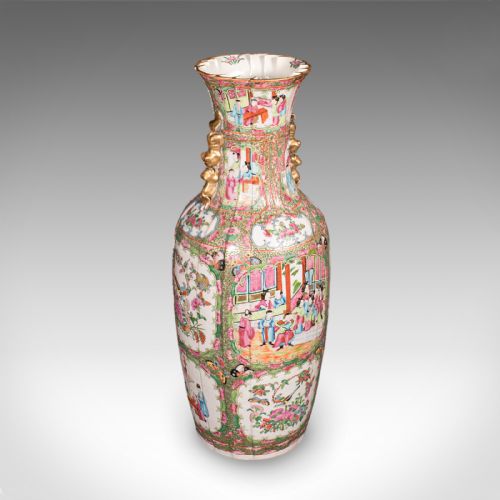

Oriental Enamel Vessel
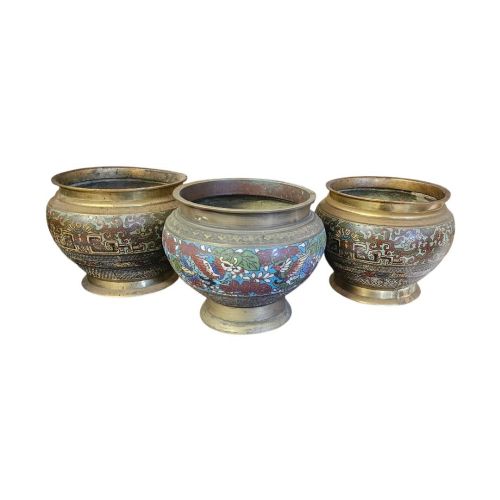
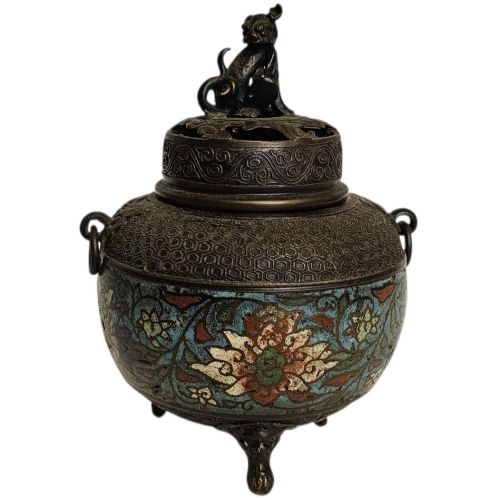
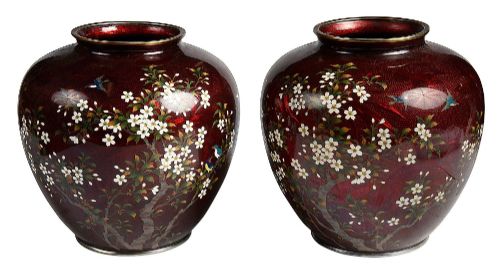
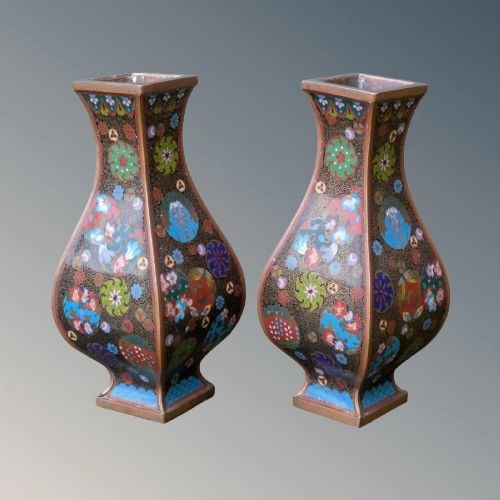
An oriental enamel vessel brings distinct colour and intricate metalwork into a room, offering a tangible link to Qing Dynasty and Meiji Period craftsmanship.
Oriental Enamel Vessel
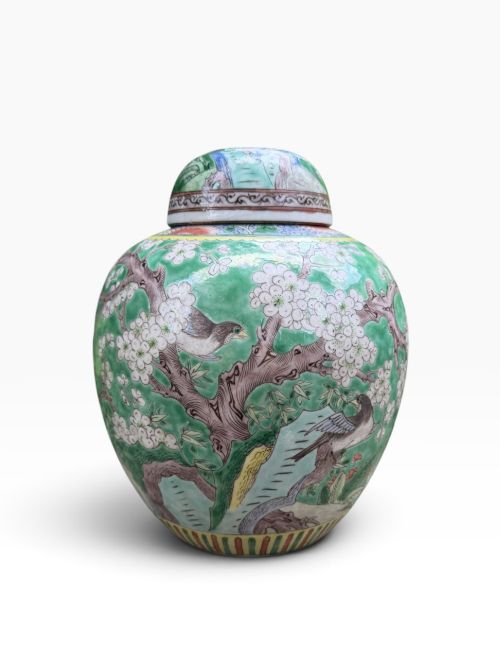
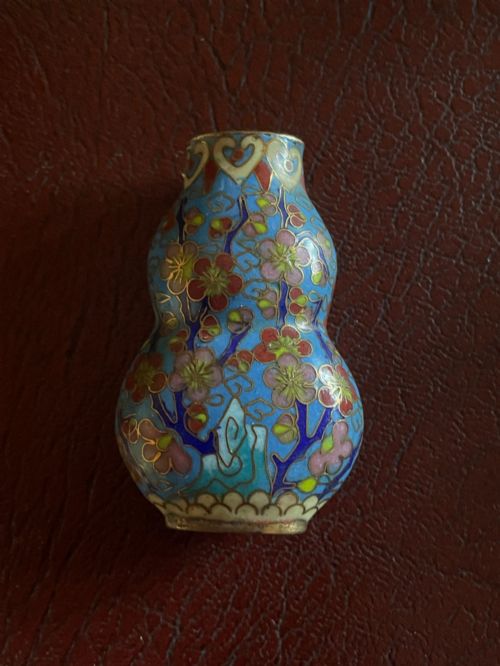
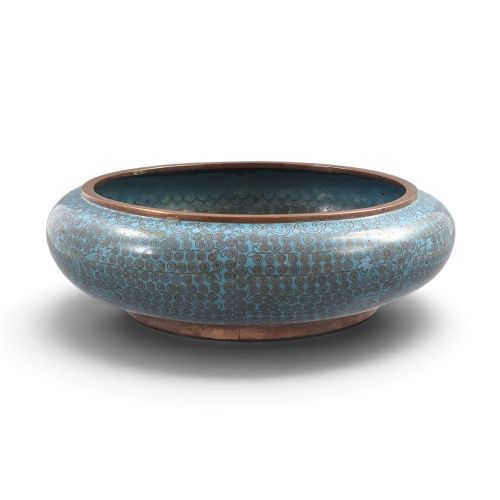
When searching for an oriental enamel vessel, collectors encounter a diverse selection of decorative items originating from China and Japan. These pieces span several periods, most notably the nineteenth century, alongside later twentieth-century examples.
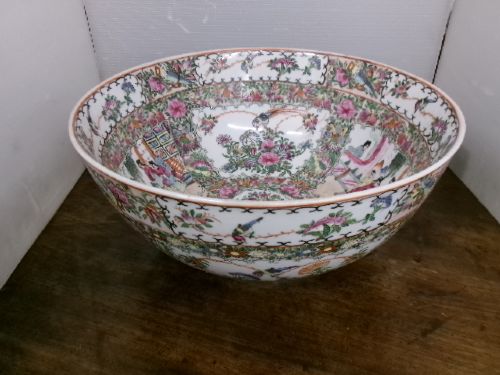
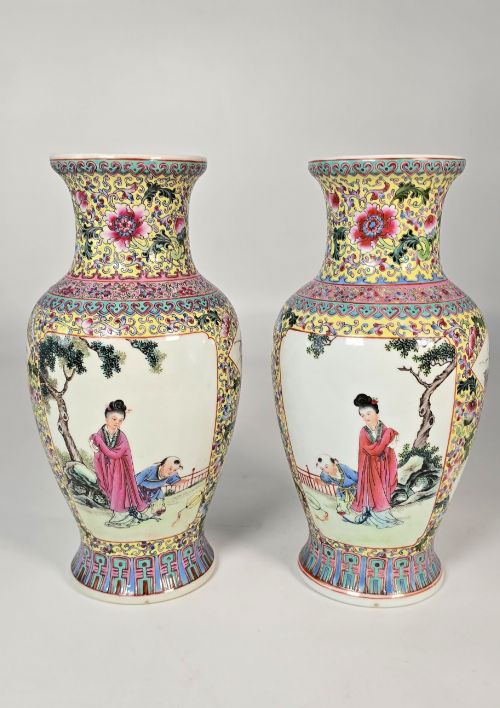
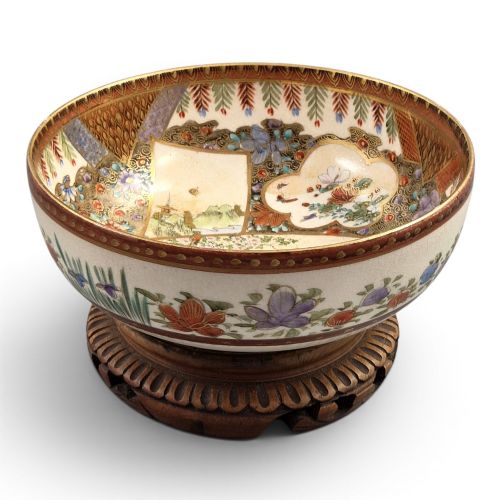
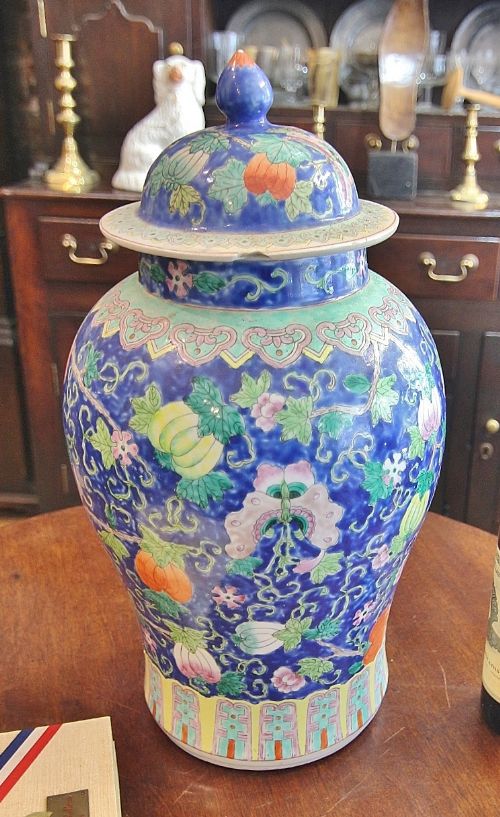
Porcelain and earthenware versions also appear frequently, often decorated with famille rose or satsuma styles. Buyers will find both diminutive cabinet pieces and large temple water dispensers or floor vases.
How they were made
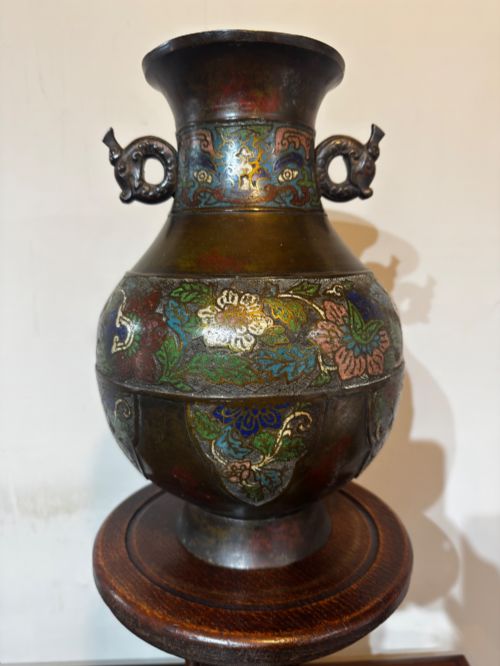
Metal vessels utilise cloisonne and champleve techniques, where thin wire strips or carved recesses create cells on a bronze, copper, or brass foundation. Artisans fill these compartments with coloured enamel pastes before firing and polishing the surface to a smooth finish.
Ceramic forms combine porcelain or earthenware bodies with hand-painted enamel palettes, sometimes incorporating gold leaf highlights or heavily gilt moriage relief work. Skilled makers fused mineral pigments to the clay or metal substrate through controlled kiln firings.
The inventory encompasses Chinese Qing Dynasty works alongside Japanese Meiji and Edo period creations in various forms.
What varies in quality
The refinement of the enamel work and the precision of the underlying metal wires or carved cells define the upper tiers of production. Finer vessels display intricate detailing, harmonious colour palettes, and well-balanced forms that reflect significant technical mastery.
Substantial scale, heavy gilding, and signed artist pieces command greater attention from collectors than standard commercial wares. The crispness of the painted motifs on porcelain and the overall weight of the bronze or copper body indicate the standard of the workshop.
Makuzu Kozan II·Kozan
The Oriental Enamel Vessel Glossary
- Cloisonne
- A metalwork technique where thin wire strips form compartments on a vessel surface to hold coloured enamel paste.
- Champleve
- A method where troughs or cells are carved directly into a metal base to receive enamel before firing.
- Famille Rose
- A palette of opaque rose-pink and other soft enamel colours introduced to Chinese ceramics during the Qing Dynasty.
- Satsuma
- A type of Japanese earthenware featuring a crackle glaze decorated with polychrome enamels and gilding.
Oriental Enamel Vessel: Frequently Asked Questions
What is an oriental enamel vessel?
These items are decorative and functional metal or ceramic containers originating from East Asia, finished with vitreous enamel decoration. They include vases, jars, and censers adorned with floral, bird, or dragon motifs.
Craftsmen utilised techniques like cloisonne and champleve to create lasting surface patterns that retain their vibrant colours across centuries.
How do I identify a Meiji period piece?
Meiji period items originate from Japan between 1868 and 1912, often displaying exceptional technical precision in cloisonne enamel or satsuma earthenware. Look for fine wirework and complex pictorial panels depicting landscapes or wildlife.
Many of these objects were created for export, showcasing the peak of Japanese decorative arts during an era of rapid industrial and artistic exchange.
Where were these vessels placed originally?
Wealthy households and scholars used these vessels as centrepieces, garden ornaments, or scholar's desk accessories. Incense burners and water dispensers served both ritual and domestic purposes in traditional settings.
Larger temple vases and jardinieres occupied prominent positions in reception halls, while smaller snuff bottles and brush washers remained close at hand.
How should I clean my enamel vessel?
Dust these pieces gently with a soft, dry cloth to prevent any accumulation of dirt in the recessed wire cells. Avoid harsh chemical cleaners, abrasives, or immersion in water, particularly on items with exposed metal bases or delicate gilding.
Keeping them away from direct sunlight and excessive humidity preserves the stability of both the metal substrate and the fired enamel surface.