



Blue Enamel Vase
A blue enamel vase brings rich colour and layered metalwork or ceramic form to a room.
Blue Enamel Vase
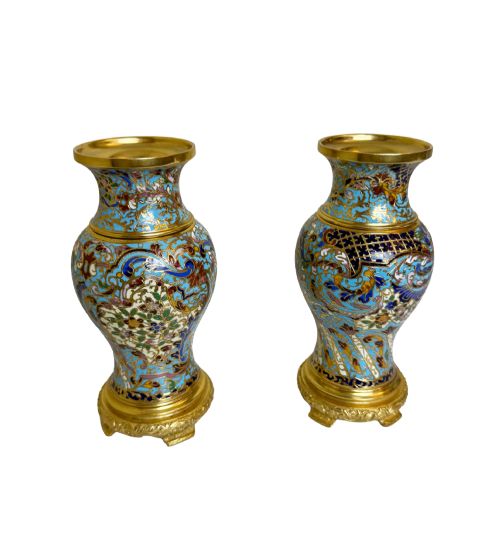
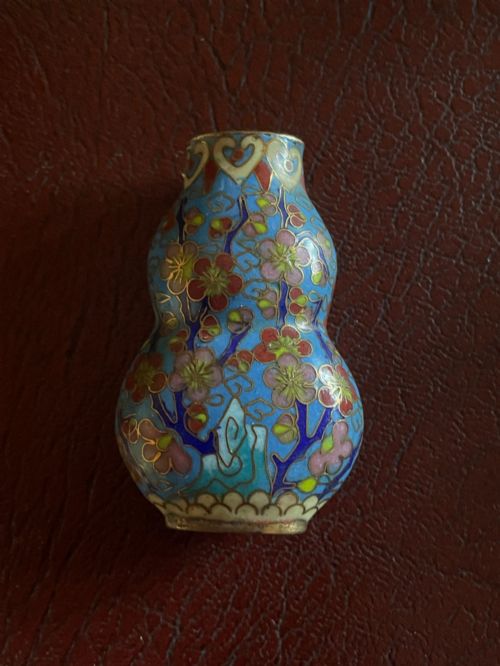
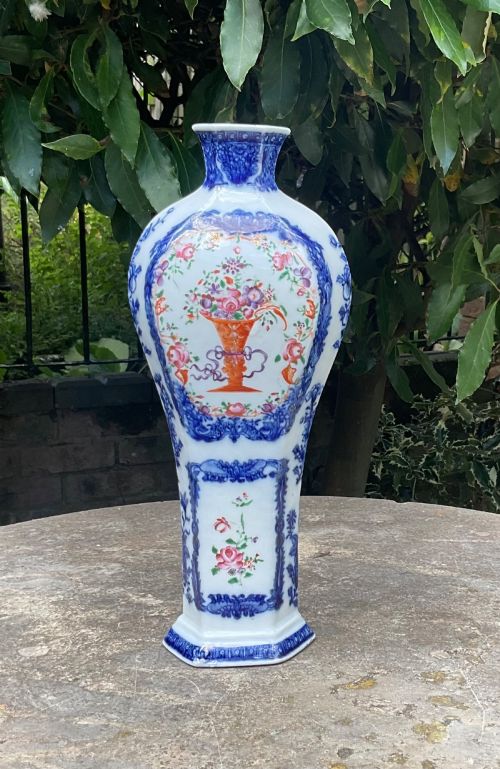
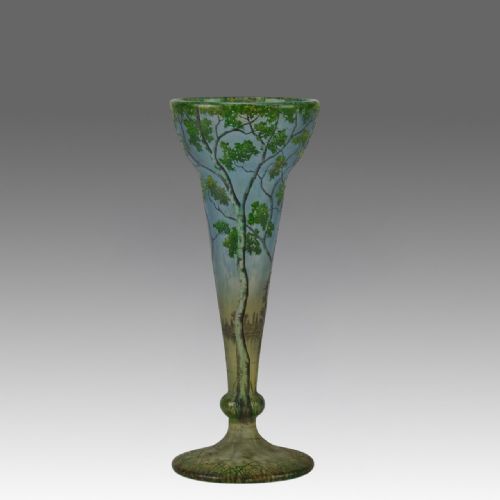
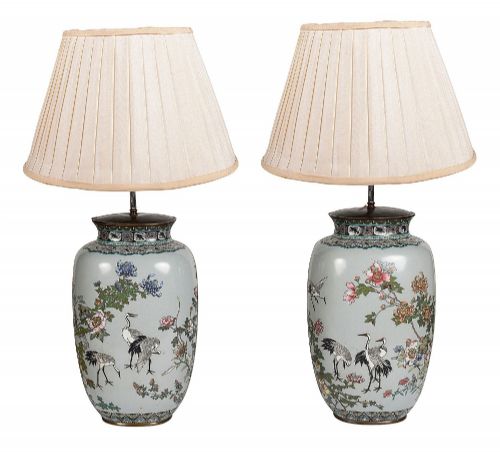
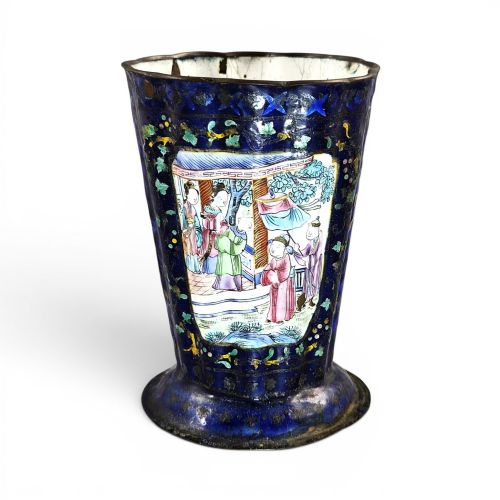
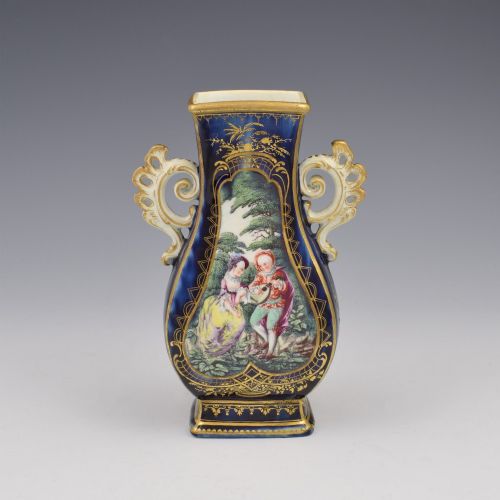
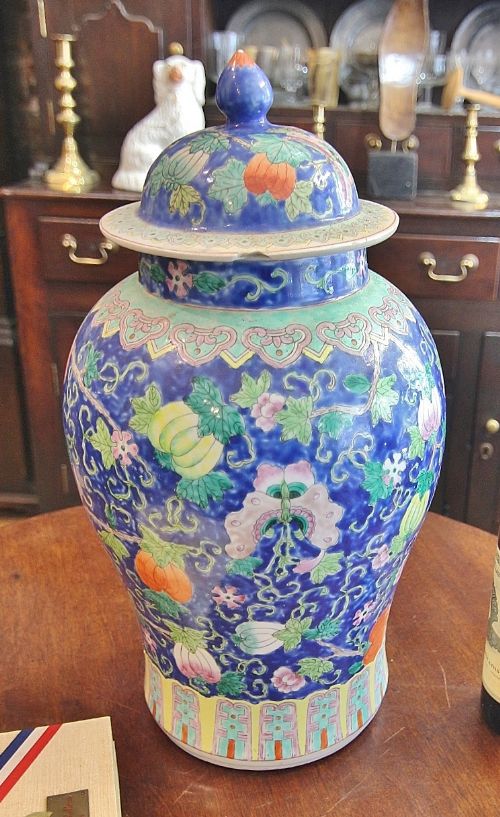
A blue enamel vase combines vitreous glass coatings with base materials such as copper, bronze, earthenware, and porcelain. The selection spans 18th-century Chinese export pieces, 19th-century Japanese cloisonné, and European art pottery from the 20th century.
The objects appear as ginger jars, table lamps, lidded urns, and standard mantel vessels. Examples frequently showcase cobalt grounds, rich turquoise shades, and contrasting floral or avian motifs.
Japanese Meiji period cloisonné and Chinese Qing dynasty vessels dominate the available origins. European makers from English potteries and French bronze workshops also contribute significant examples.
How they were made
Cloisonné and champlevé techniques involve soldering thin metal wires or carving depressions onto brass and bronze foundations to create cellular compartments for coloured glass pastes. Firing the piece fuses the vitreous enamel to the metal before final grinding and polishing.
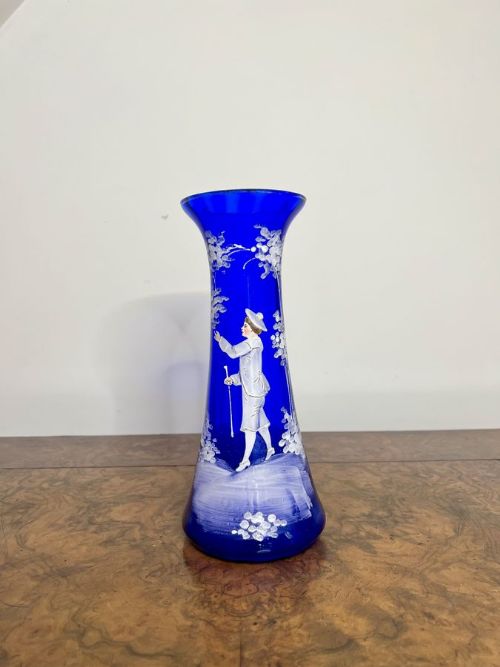
Ceramic bodies utilise earthenware or porcelain shaped on a wheel or in moulds, then painted with enamel pigments and gold leaf details before secondary kiln firings. Glass vessels combine blown blanks with surface enamel decoration or layered overlay techniques.
Listings feature items from the 18th, 19th, and 20th centuries, spanning Japanese Meiji period cloisonné, Chinese export porcelain, and European art glass.
What varies in quality
The precision of the metal wirework in cloisonné items determines structural crispness, where tighter cells and polished finishes separate high-grade vessels from simpler productions. Surface clarity in the enamel, freedom from pitting, and the depth of the blue ground pigment indicate superior workshop output.
Hand-painted ceramic and glass items rely on the brushwork skill of the decorator, visible in detailed panels depicting figures or natural scenes. Gilt bronze mounts, heavier bronze foundations, and signed maker marks or studio signatures elevate the standing of the piece.
Daum Frères·Ando Jubei·Royal Doulton·Minton·Wedgewood
The Blue Enamel Vase Glossary
- Cloisonne
- A decorative metalwork technique where flat wire is soldered to a metal base to form cells filled with enamel paste. These compartments keep different colours separate during the firing process.
- Champleve
- A method where troughs or cells are scooped directly into the surface of a thick bronze or copper base and filled with enamel. This technique leaves thicker walls of bare metal between the coloured areas.
- Moriage
- A Japanese ceramic decorating technique using clay piped onto the surface to create raised, textured patterns. These designs are often accented with heavy gilt paint.
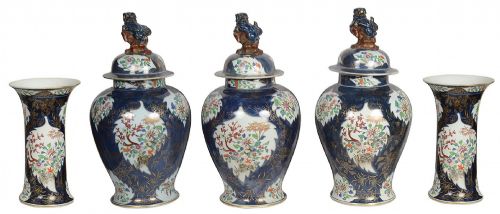
- Garniture
- A set of three or more matching vases or jars designed to sit together on a mantelpiece or sideboard. They typically feature graduated heights or complementary lid designs.
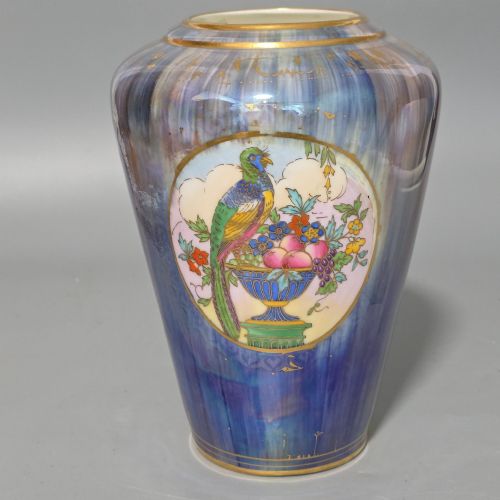
- Lustre
- A ceramic glaze containing metallic salts that produce an iridescent, reflective surface sheen when fired in a reduced oxygen kiln. This finish shifts in colour depending on the viewing angle.
Blue Enamel Vase: Frequently Asked Questions
How do I clean an enamel vase?
Dust the surface gently with a dry, soft microfiber cloth to prevent scratching the glass or metal components.
Avoid using chemical cleaning solutions or submerging antique bronze and ceramic pieces in water, as moisture damages aged adhesives and exposed metal bases.
Are these vases watertight?
Many antique metal-based cloisonné and delicate ceramic vessels are designed purely for display rather than holding water.
Earthenware and glass pieces may hold liquid, but internal hairline fractures from age make dry styling the safer choice for preservation.
How do I identify the period?
Examine the base metal, weight, and wiring style, as Meiji period Japanese works often feature fine silver wires and dense floral patterns.
European factory pieces usually carry impressed ceramic marks or distinct ormolu mount styles that anchor their production era.
Where should I display my vase?
Position the piece away from direct sunlight to protect vulnerable enamel pigments and gold leaf details from fading over time.
Place the vessel on a stable, level surface where the cobalt tones and reflective metal wires catch ambient room light.