



Oriental Enamel Plate
An oriental enamel plate brings centuries of meticulous Asian craftsmanship into a modern interior, offering striking imagery and vibrant colour.
Oriental Enamel Plate
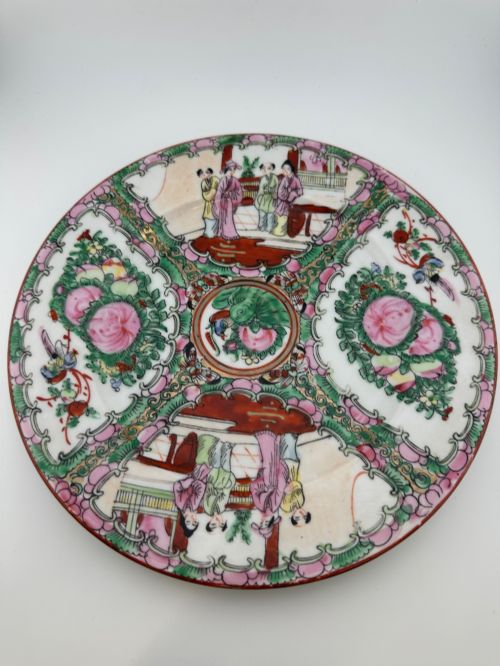
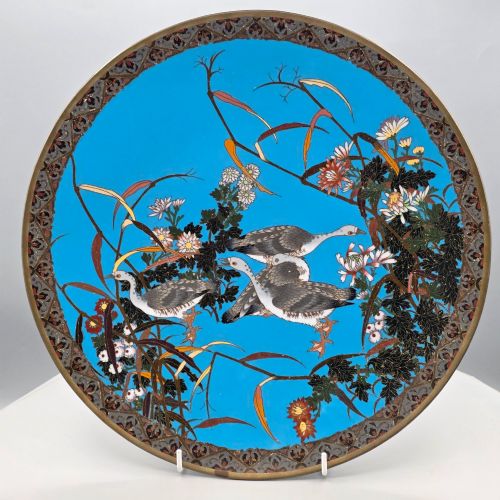
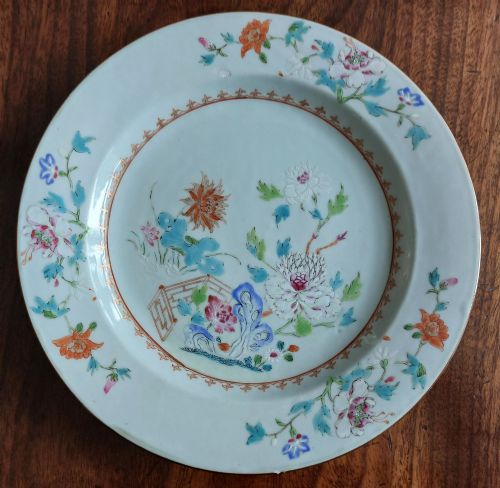
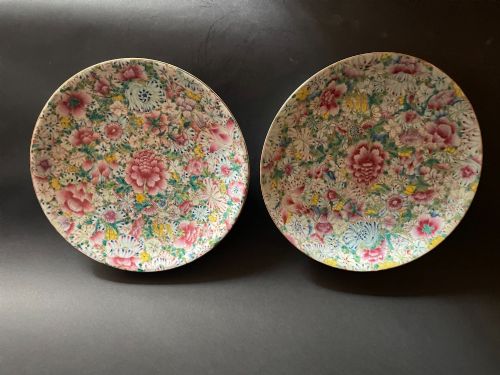
An oriental enamel plate encompasses decorative chargers, dishes, trays, and bowls originating from Asian workshops during the eighteenth and nineteenth centuries. These vessels were created for display or service, frequently featuring detailed motifs of birds, dragons, flowers, and landscapes.
The most common examples on this page date from the Meiji period in Japan and the Qing dynasty in China. Buyers encounter large chargers and medium plates executed in porcelain or metal-based cloisonne.
Forms range from octagonal trays and square dishes to large circular chargers spanning up to fifty centimetres. Each piece reflects the aesthetic priorities of its specific era and regional tradition.
How they were made
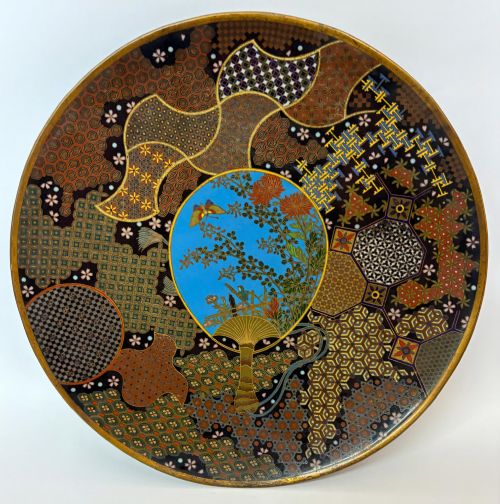
Cloisonne pieces utilise thin metal wires soldered to a copper or brass base to form cellular compartments, which artisans then fill with coloured enamel pastes before firing. This technique requires immense precision to prevent the glass paste from cracking during multiple kiln firings.
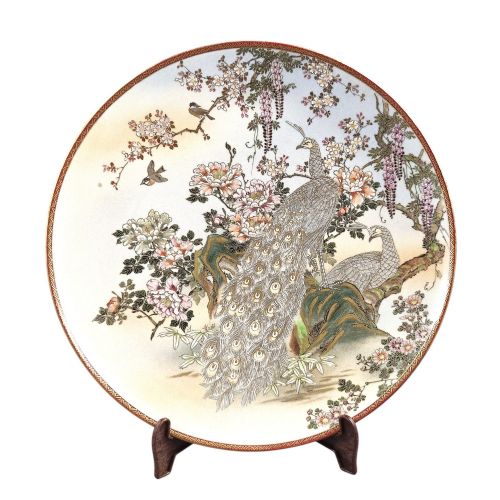
Porcelain items employ high-fired ceramic bodies painted with enamels in palettes such as famille rose or famille verte, often enriched with gilt details. Artisans apply pigments by hand, building up layered pictorial scenes before a final low-temperature fixation.
Surviving nineteenth-century chargers occasionally capture unexpected wildlife moments, immortalising frogs, shrimp, and leaping koi alongside traditional imperial dragons.
What varies in quality
Quality rests upon the delicacy of the wirework in metal vessels and the precision of the brushwork in ceramic examples. Superior pieces display intricate detail without visible pitting in the enamel or blurring along the colour boundaries.
Makers who signed their work or produced pieces for specific exhibitions demonstrate a higher standard of artistic execution. The complexity of the subject matter, such as multi-figure samurai scenes or dynamic leaping koi, also distinguishes finer output.
Kinkozan·Meizan
The Oriental Enamel Plate Glossary
- Cloisonne Enamel
- A decorative metalwork technique where thin wires create compartments filled with coloured glass paste. Artisans fire and polish the surface until smooth.
- Charger
- A large decorative plate or dish intended primarily for display on a wall or sideboard rather than dining use. These items often showcase the most elaborate artistry.
- Famille Rose
- A palette of opaque enamel colours dominated by pink or rose hues, introduced to Chinese porcelain during the Qing dynasty. This style gained immense popularity for floral and figural designs.
- Meiji Period
- A Japanese historical era spanning from 1868 to 1912 marked by opening trade and exceptional advancements in metalwork and ceramics. Artisans during this time produced intricate cloisonne for international markets.
Oriental Enamel Plate: Frequently Asked Questions
How were oriental enamel plates used historically?
These pieces served largely as decorative display items in elite households, showcased on stands or hung on walls to demonstrate wealth and taste.
Larger chargers occasionally held ceremonial offerings or functioned as centrepieces during formal gatherings rather than everyday tableware.
How do I distinguish Meiji period pieces?
Meiji period items, dating from the late nineteenth century onward, frequently feature exceptionally fine wirework and naturalistic subjects like birds and flora.
Japanese makers during this era also began signing their works more consistently on the base.
What is the difference between porcelain and metal bases?
Metal bases usually support cloisonne enamel work utilising copper or brass frames, while ceramic pieces rely on porcelain fired at high temperatures.
Porcelain vessels display painted enamel glazes directly on the ceramic body, often in famille rose or Kutani styles.
How should I care for an antique enamel plate?
Keep these items away from direct sunlight to preserve the vibrant pigments of the enamel and avoid exposing them to sudden temperature shifts.
Dust gently with a dry, soft cloth and avoid liquid cleaners or abrasive materials that might scratch the delicate surface.