


Enamel Metal Plate
When you look for an enamel metal plate, you encounter richly decorated chargers, trays, and plaques from nineteenth-century Japan alongside industrial British street and door signs.
Enamel Metal Plate
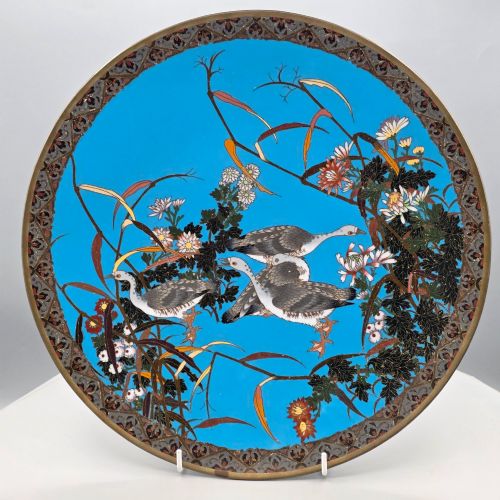
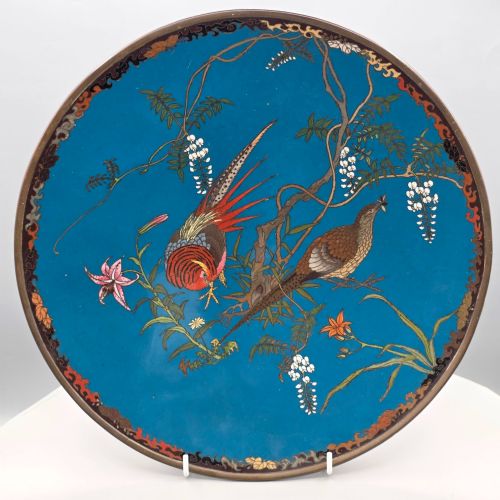
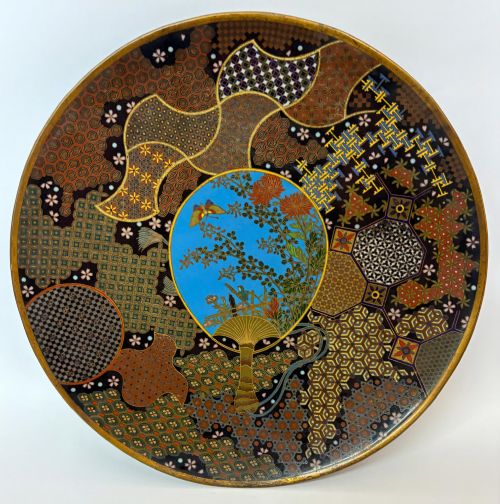
An enamel metal plate encompasses large decorative chargers, medium plates, square trays, and architectural door push signs made across the nineteenth and early twentieth centuries. The vast majority of examples on this page originate from Japanese workshops during the Meiji and late Edo periods, executed as intricate works of art rather than utility items.
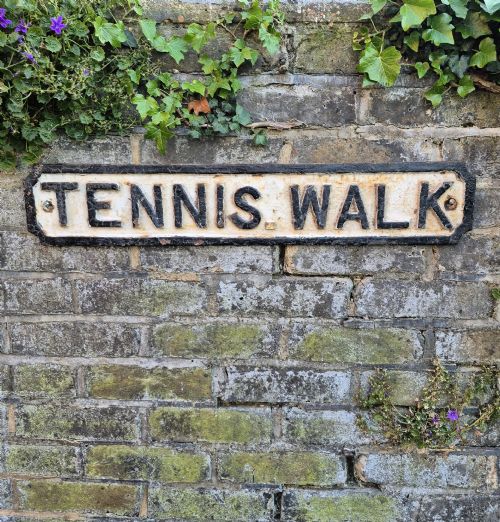
Forms range from small dishes and octagonal trays to massive fifty-centimetre chargers depicting birds, dragons, koi, and samurai alongside auspicious symbols. Alongside these ornamental Japanese plaques, buyers occasionally find British industrial street signs and door plates produced in the early twentieth century.
The objects serve primarily as display pieces intended for walls, cabinets, or table stands, varying widely in scale from compact domestic plates to monumental presentation chargers.
What varies in quality
The standard of an enamel metal plate rests upon the complexity and precision of the wirework design, with tighter, finer compartments indicating superior handcraft. Greater technical achievement appears in pieces that manage intricate pictorial subjects such as human figures, leaping koi, or detailed avian plumage without distortion in the fired enamel.
Scale also influences distinction, as larger chargers exceeding forty centimetres present significantly greater technical challenges during the kiln firing process than standard medium plates. Maker signatures on the reverse or border elevate certain examples by identifying accomplished Meiji period studios.
Several Meiji chargers depict leaping koi and perched owls alongside fierce dragons and samurai.
Kinkozan
The Enamel Metal Plate Glossary
- Cloisonne
- A decorative metalwork technique where fine wire is soldered to a base plate to form compartments that are filled with enamel paste. This method creates detailed cellular patterns across chargers and plaques.
- Charger
- A large ornamental plate intended for display on a wall or sideboard rather than for dining use. These pieces often measure upwards of thirty centimetres across.
- Totai Shippo
- A specific Japanese technique where enamel is applied over a porcelain body rather than solid copper or brass. This method creates textured surfaces that frequently imitate tree bark.
- Mon
- A Japanese heraldic badge or emblem used to identify families, clans, or governmental entities. These circular crests appear frequently within the decorative borders of Meiji period plates.
- Meiji Period
- The era in Japanese history spanning from 1868 to 1912, noted for the opening of trade and the production of exceptionally detailed metalwork and cloisonne.
Enamel Metal Plate: Frequently Asked Questions
How do I display a large charger safely?
Large decorative chargers require sturdy wall mountings designed to grip the outer rim securely without putting undue stress on the metal body. Alternatively, deep brass or wooden display easels designed for heavy porcelain plates provide stable tabletop support.
Position pieces away from direct sunlight to preserve the vibrant chemical pigments of the historical enamels over time.
How do I clean an antique enamel plate?
Maintenance requires only a soft, dry microfibre cloth to remove surface dust from the metal wires and enamel cells. Avoid liquid cleaners, chemical polishes, or water immersion, as moisture can penetrate hairline fractures in the vitreous paste or discolour exposed copper elements.
Gentle care preserves the original kiln-fired finish and protects any delicate signed areas on the reverse.
What is the difference between Edo and Meiji pieces?
Pieces originating from the late Edo period tend to display restrained palettes and naturalistic motifs created during the final years of the shogunate. Meiji period works generally feature more complex technical execution, brilliant colour ranges, and ambitious pictorial subjects driven by international demand.
Both eras share exceptional wirework skill, but Meiji chargers often showcase the peak of large-scale manufacturing capability.