


Turquoise Japanese Dish
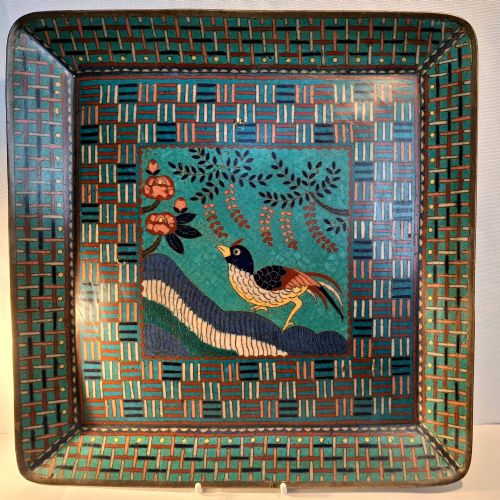
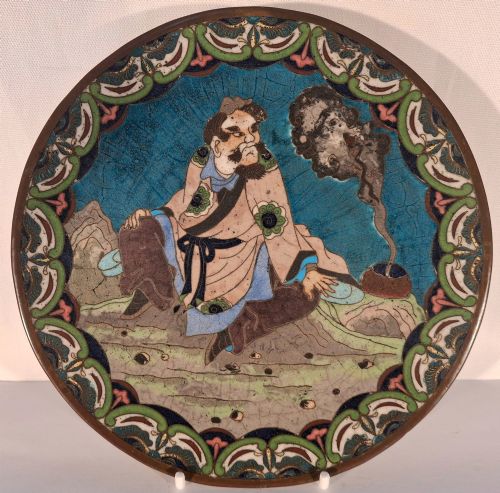
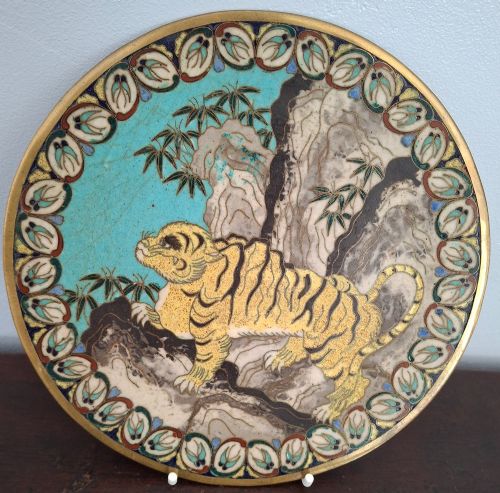
A turquoise japanese dish brings intricate metalwork and vibrant colour into a room, offering striking bird, floral and warrior motifs from the Meiji and Edo periods.
Turquoise Japanese Dish
A turquoise japanese dish represents a distinct category of decorative metalwork, encompassing chargers, bowls, plates and trays created during the nineteenth century. These items typically display vibrant turquoise grounds acting as fields for detailed imagery.
The objects span periods from the Edo to the Meiji era, showing shifts in scale and pictorial focus. Buyers frequently encounter chargers, plates and bowls featuring birds, flowers, dragons and samurai figures.
Forms range from small dishes and pedestal bowls to large chargers measuring up to fifty centimetres. Each piece serves primarily as a decorative display object rather than tableware.
How these pieces were made
The foundational structure relies on copper or copper alloy bodies shaped into plates, bowls and chargers. Artisans applied thin metal wires to map out intricate pictorial designs on the metal surface.
Compartments formed by the wire outlines were filled with enamel pastes, incorporating turquoise pigments for the background fields. Firing fixed the vitreous enamels to the metal substrate before polishing brought the surface smooth.
Turquoise Japanese Dish Retail Price Guide 2026
Typical asking prices for turquoise japanese dish among the pieces listed under this phrase on Sellingantiques today, from the lower quarter to the upper quarter. They describe what is for sale here now, not the wider market.
Object forms recorded on this page include decorative chargers, bowls, plates, trays and pedestals.
What varies in quality
The precision and fineness of the wirework dictate the clarity of the design, separating standard production from exceptional execution. Tighter wire spacing allows for complex depictions of feathers, petals and facial expressions.
Depth and consistency of the enamel ground influence the visual impact of the piece. Smooth, even turquoise fields without pitting or discoloration indicate superior workshop output.
Kinkozan
The Turquoise Japanese Dish Glossary
- Cloisonne enamel
- A technique where metal wires form compartments on a metal base to hold coloured glass pastes. These pastes are then fired and polished to a smooth finish.
- Charger
- A large ornamental plate or dish intended for display rather than serving food. They form a significant portion of the larger decorative vessels.
- Meiji Period
- A historical Japanese era spanning from 1868 to 1912. Much of the decorative metalwork available originates from this time of artistic expansion.
- Edo Period
- The period in Japanese history preceding the Meiji era, lasting from 1603 to 1867. Pieces from this time often show distinct foundational forms and early cloisonne techniques.
- Copper alloy
- A metal mixture containing copper combined with other elements to form the base of these dishes. It provides a stable foundation for the wire and enamel layers.
Turquoise Japanese Dish: Frequently Asked Questions
What is a turquoise japanese dish?
A turquoise japanese dish is a decorative metal vessel made with cloisonne enamel techniques on copper bases. These items include plates, bowls and chargers decorated with vibrant turquoise backgrounds.
They display pictorial subjects such as birds, flowers, dragons and samurai figures. Most examples date from the nineteenth century across the Edo and Meiji periods.
How were these dishes used?
These pieces were created entirely for decorative display rather than practical utility. Their intricate enamel work and pictorial designs suited them for prominent placement in interiors.
Larger chargers and pedestal bowls functioned as centrepieces or wall displays. Smaller plates and trays served as cabinet ornaments showcasing skilled craftsmanship.
How do I live with a turquoise japanese dish?
Display these items away from direct sunlight to protect the vibrant enamel colours from fading over time. Secure larger chargers on stable stands or wall mounts designed for heavy metal objects.
Dust the surfaces gently with a soft, dry cloth. Avoid using liquid cleaners or abrasive materials that could scratch the polished enamel and wirework.
How do I tell periods apart?
Objects attributed to the Edo period reflect earlier manufacturing techniques and often include lidded pedestal forms or large bird compositions. The styling tends to be robust and grounded.
Meiji period pieces frequently exhibit finer wirework and more complex pictorial narratives, such as samurai and demon scenes. Lighter plates and trays became more common during this later era.