





Oriental Display Wall Plate
An oriental display wall plate brings centuries of vibrant ceramic and metalwork artistry into modern interiors.
Oriental Display Wall Plate
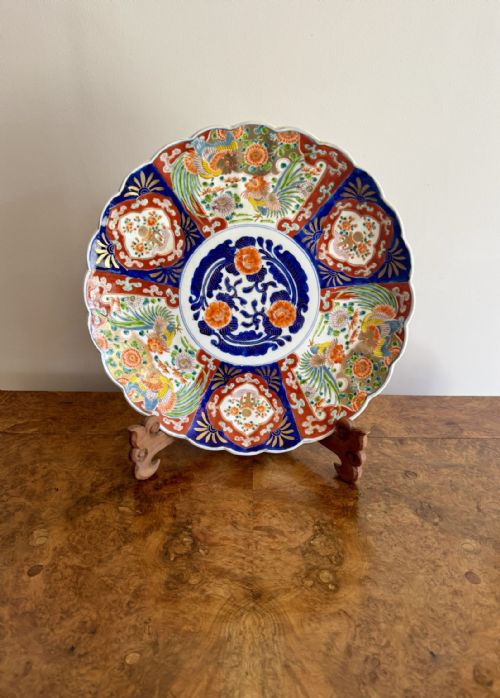
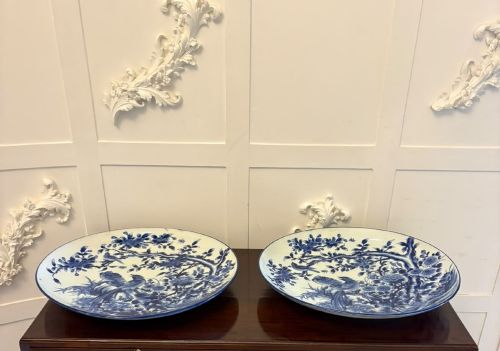
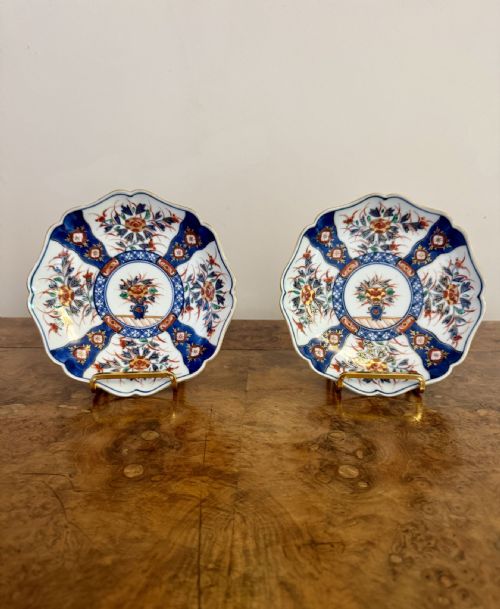
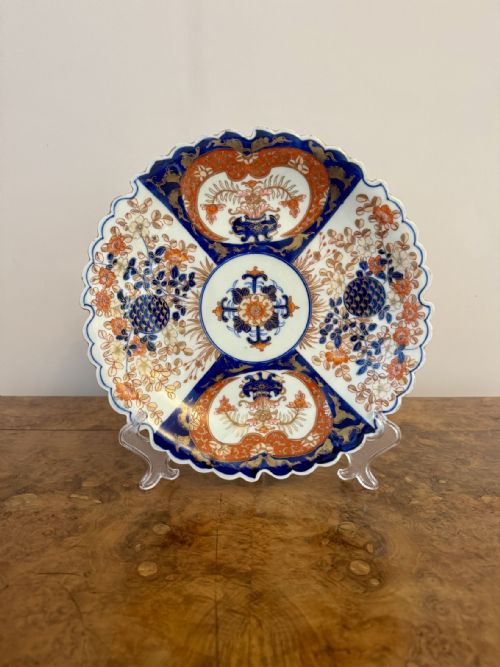
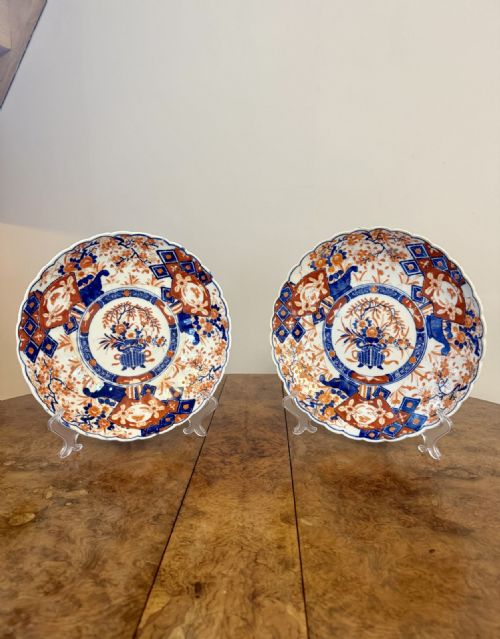
When you search for an oriental display wall plate, you encounter decorative plates, chargers, and dishes originating primarily from the nineteenth and early twentieth centuries. These items span Japanese Imari, Satsuma, Kutani, and cloisonne works, alongside Chinese export porcelain.
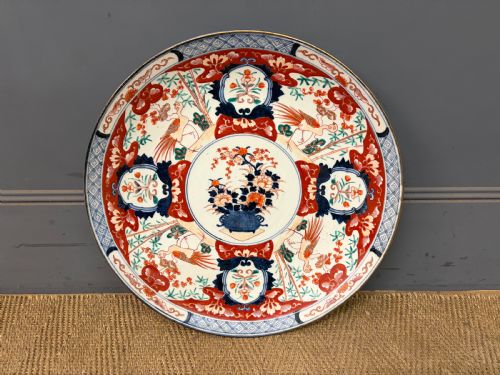
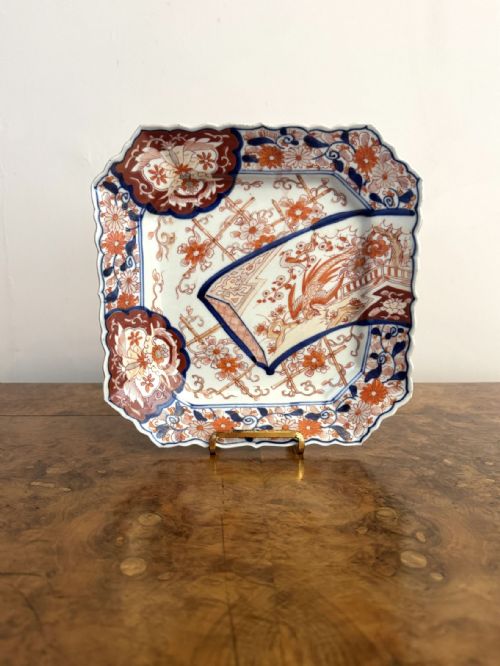
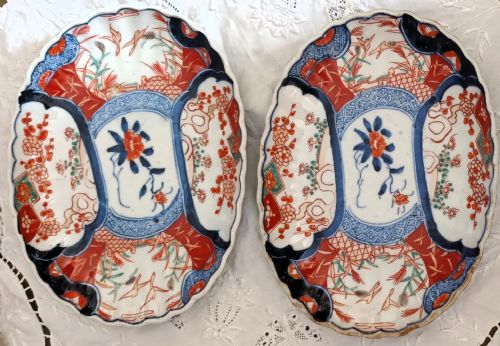
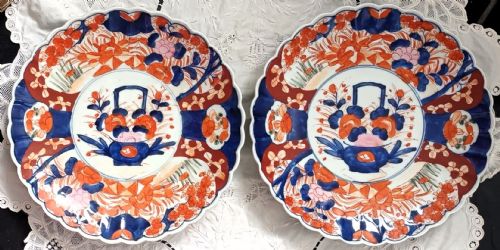
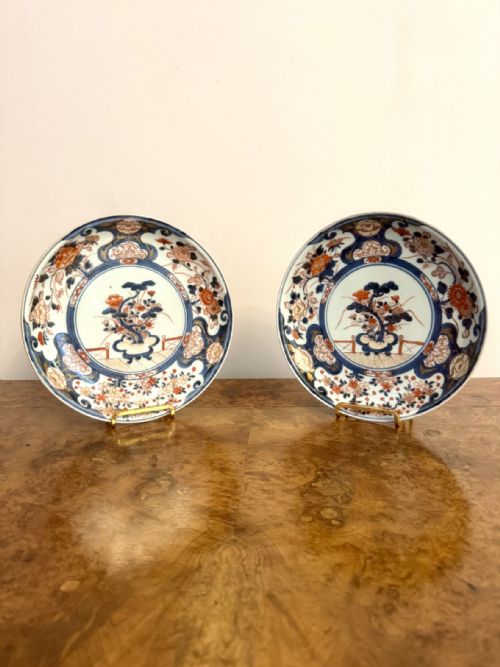
The version you are most likely to meet on this page is the Japanese Imari porcelain charger or plate, frequently dating from the Meiji period around 1900. They present distinct blue, iron-red, and gilt colour palettes designed historically for visual impact in interior spaces.
Beyond porcelain, the selection includes metal-based vessels such as copper and brass chargers decorated in coloured enamel. These pieces showcase intricate pictorial subjects including exotic birds, dragons, chrysanthemums, and landscapes.
How they were made
Potters shaped porcelain bodies by hand or mould before applying underglaze blue and overglaze enamel pigments, often incorporating rich gold leaf details and clear glazes that required multiple kiln firings. The resulting surface bears the distinct hand-painted brushwork characteristic of nineteenth-century East Asian ceramic traditions.
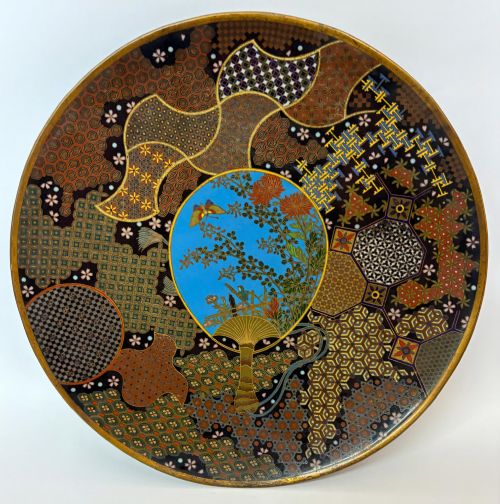
Cloisonne enamel pieces utilise copper or brass bases fitted with thin metal wires to form cells, which artisans filled with coloured enamel pastes before firing and polishing to a smooth finish. This technique allowed makers to render detailed natural motifs like koi, owls, and phoenixes with permanent metallic definition.
Object forms on this page range from standard decorative plates to large chargers and square shaped dishes.
What varies in quality
The distinction between standard decorative wares and superior pieces rests on the precision and density of the hand-painted or enamelled design. Masterpieces display crisp outlines, complex multi-layered palettes, and harmonious compositions that demonstrate exceptional technical control.
Material application also dictates standing, with heavier porcelain bodies, well-preserved gold leaf gilding, and flawlessly fired enamel cells commanding greater appreciation. The complexity of the subject matter, from simple floral arrangements to elaborate figural scenes like the Seven Lucky Gods, elevates a piece further.
Koshida
The Oriental Display Wall Plate Glossary
- Imari
- A style of Japanese porcelain featuring a distinct palette of underglaze blue, iron red, and supplementary gold leaf. The tradition originates from the town of Arita and became immensely popular for export.
- Charger
- A large decorative plate traditionally utilised for display on walls or sideboards rather than for serving food. These pieces measure significantly larger than standard dining plates.
- Cloisonne
- A decorative metalwork technique where thin wire partitions form compartments to hold coloured enamel pastes. The object undergoes repeated firing and polishing until the surface is entirely smooth.
- Meiji Period
- The era in Japanese history spanning from 1868 to 1912, characterised by the opening of trade with the West and a flourishing of decorative arts. Many export ceramics and enamels date from this time.
- Export Porcelain
- Ceramics manufactured in Asia specifically for trade and sale to Western markets. These objects often adapted traditional local motifs to suit European and American interior tastes.
Oriental Display Wall Plate: Frequently Asked Questions
How do I hang a heavy charger?
Displaying a large plate safely requires a specialised wall mount or spring-loaded plate hanger designed to distribute the weight evenly across the rim. Ensure the fixture anchors securely into wall studs rather than plaster alone.
Rubber or felt protectors prevent the metal prongs from scratching the antique porcelain or enamel surface during placement and removal.
Can I clean these plates with water?
Dusting with a dry, soft cloth is sufficient for routine maintenance of ceramic and cloisonne surfaces. Moisture can seep into unglazed foot rims or damage delicate gold leaf and enamel.
Avoid chemical cleaners or immersion entirely, as older pigments and gilding are vulnerable to modern detergents and excessive scrubbing.
What is the Meiji period?
The Meiji period marks a transformative era in Japan between 1868 and 1912, noted for rapid modernization and an explosion of decorative arts destined for export. Artisans refined techniques in porcelain painting and cloisonne enamel to satisfy Western demand.
Pieces from this time often bear high levels of detail and narrative complexity, reflecting the peak of late nineteenth-century craftsmanship.