






Japanese Floral Ceramic Plate
A Japanese floral ceramic plate brings centuries of hand-painted artistry, vibrant cobalt underglaze, and rich gilt detailing directly to your table or wall.
Japanese Floral Ceramic Plate
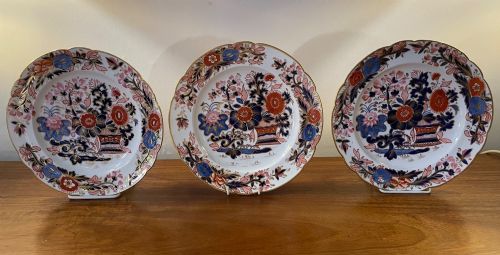
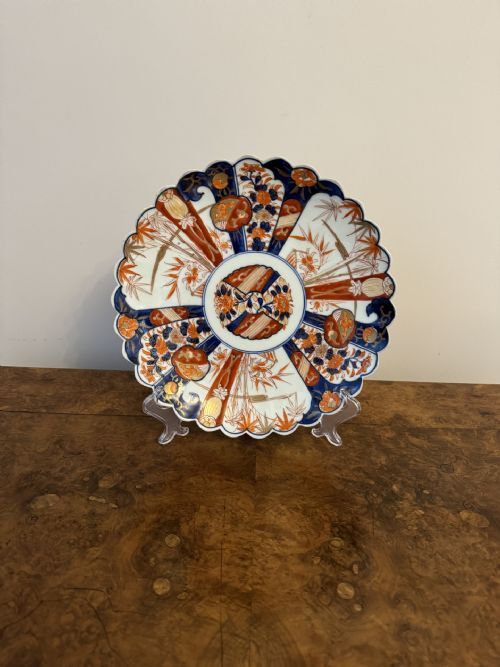
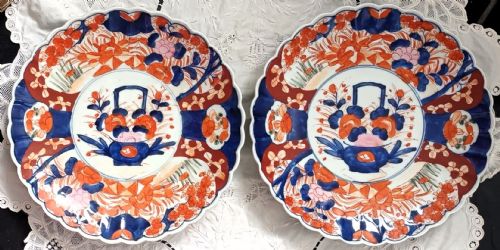
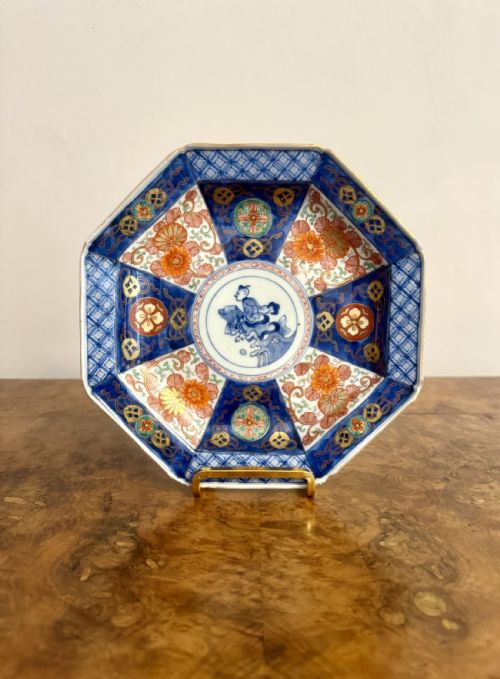
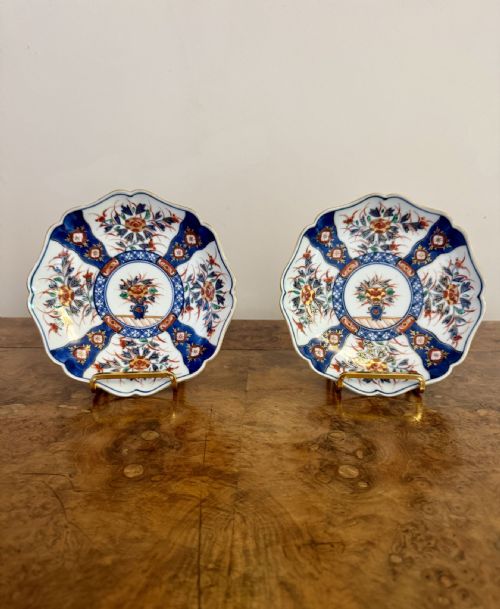
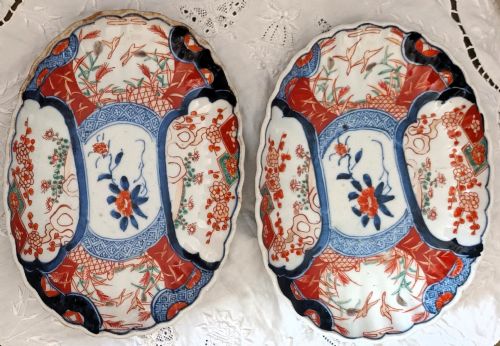
A japanese floral ceramic plate sits at the intersection of traditional craftsmanship and decorative utility, featuring heavily in nineteenth-century Meiji and Edo periods. Buyers searching for a japanese floral ceramic plate will encounter a strong majority of Imari porcelain chargers, dishes, and scalloped plates.
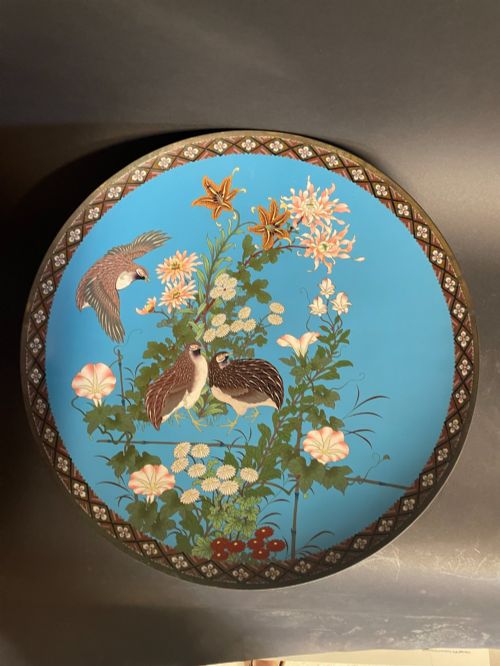
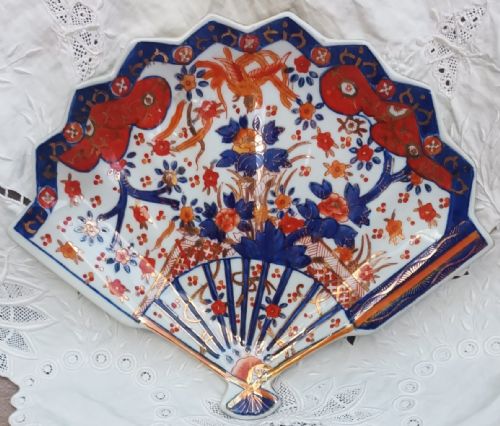
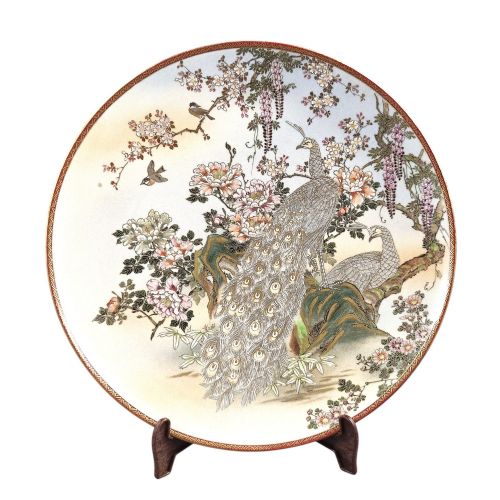
The inventory on this page spans large chargers and display dishes adorned with intricate floral and bird motifs. Alongside classic circular vessels, uncommon hexagonal and square plates appear from workshops operating around nineteen hundred.
How they were made
Potters shaped porcelain and earthenware into decorative chargers and plates before applying cobalt underglaze pigments. Artisans then introduced enamel colours, gold leaf, and rich gilding to build up the intricate floral compositions characteristic of Imari and Satsuma wares.
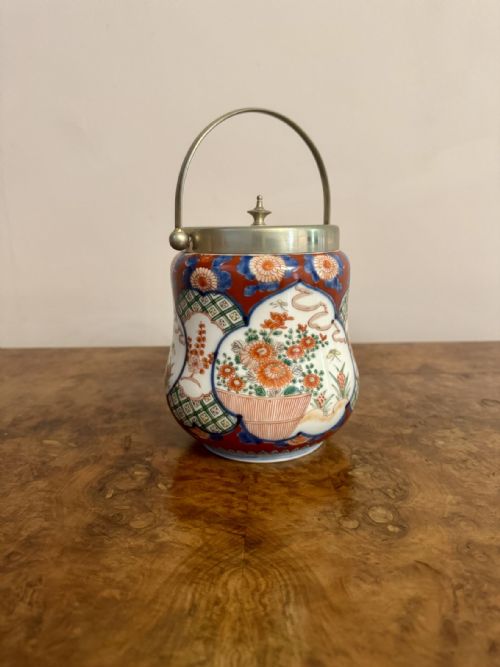
Moriage technique added raised enamel details to specific Satsuma surfaces, creating tangible texture beneath the glaze. Hand-painting ensured each plate, dish, and biscuit barrel received individual attention during the firing process.
Listings feature pieces spanning the Victorian era, the Meiji period, and the early twentieth century, utilising porcelain, earthenware, and gold leaf.
What varies in quality
The precision and density of the hand-painted brushwork separate standard production pieces from exceptional examples. Finer plates display crisp cobalt outlines, expertly balanced enamel palettes, and precise application of gold leaf across the floral motifs.
Form also dictates standing, with standard circular dishes existing alongside unusual hexagonal or scalloped shapes that required greater skill to throw and fire. Condition of the glaze and retention of the gilding further define the upper tier of these ceramics.
The Japanese Floral Ceramic Plate Glossary
- Imari
- A style of Japanese porcelain featuring a distinctive palette of cobalt blue and iron red, frequently accented with gold leaf. It originated in the Hizen province and shipped from the port of Imari.
- Charger
- A large decorative plate traditionally used for ceremonial display rather than dining. These substantial pieces showcase the most ambitious floral and bird designs.
- Cobalt Underglaze
- A blue pigment applied to ceramic bodies before the final glaze and firing. This technique protects the pigment beneath a glossy, durable surface.
- Moriage
- A Japanese ceramic technique where slip or enamel is piped onto the surface in dots or lines to create raised, tactile decorations. It appears notably on Satsuma wares.
- Meiji Period
- The era in Japanese history spanning from eighteen sixty-eight to nineteen twelve, marked by extensive international trade and a surge in export ceramics.
Japanese Floral Ceramic Plate: Frequently Asked Questions
How were Japanese floral ceramic plates used?
These pieces served primarily as decorative chargers and display dishes rather than functional tableware. Households mounted them on walls or placed them on cabinets to display their elaborate painted designs.
Smaller plates and bowls functioned as serving vessels during special meals, while biscuit barrels provided lidded storage for dry goods.
How do I date a Japanese ceramic plate?
Dating relies on stylistic shifts, period markers, and material composition recorded across nineteenth-century production. Meiji period pieces often feature dense enamel work and heavier gilding.
Earlier Edo period examples typically display simpler cobalt underglaze coordination and distinct potting characteristics.
Are all Imari plates blue and white?
Traditional Imari ceramics incorporate a signature tri-colour palette combining cobalt blue underglaze with iron red and supplementary gold leaf. While blue and white variations exist, the classic aesthetic relies on this rich chromatic combination.
Floral designs bridge these colours across scalloped edges and intricate border panels.