

Oriental Decorative Urn
These oriental decorative urn pieces bring together centuries of skilled metalwork, ceramics and lacquer from Japan and China.
Oriental Decorative Urn
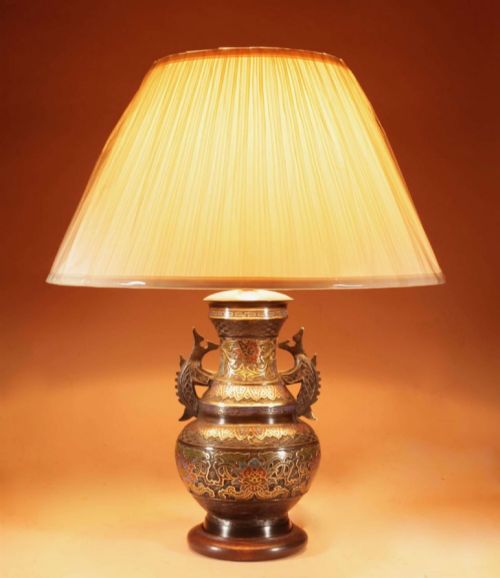
When searching for an oriental decorative urn, you encounter substantial lidded jars, floor standing vases, ginger jars and table lamps produced across Japan and China. The selection on this page relies heavily on Japanese Meiji period bronzes alongside Chinese porcelain and cloisonné from the nineteenth century onwards.
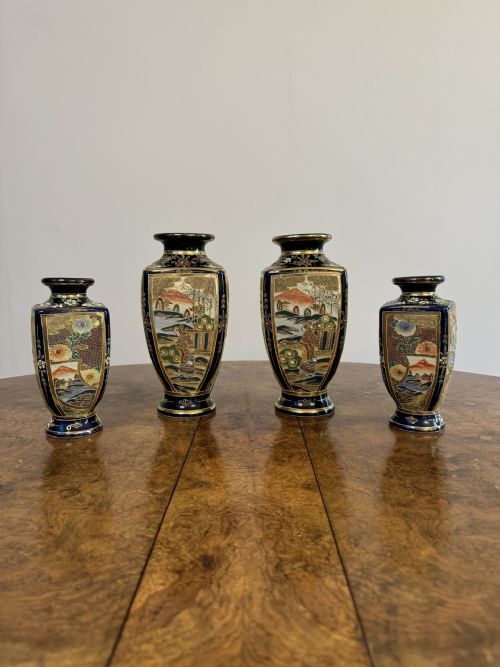
Makers and workshops from the Meiji and Qing eras utilised traditional forms such as baluster vases and garnitures, which were frequently adapted later into lamps or retained as display pieces.
The objects span earthenware, stoneware and porcelain alongside copper-alloy bronzes, reflecting both domestic decorative arts and export production for Western interiors.
How they were made
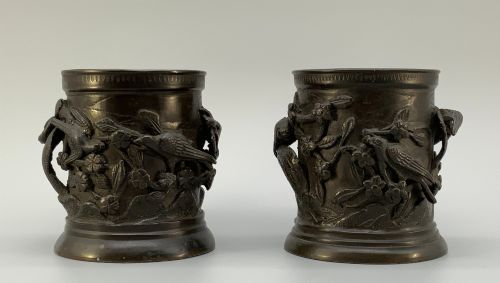
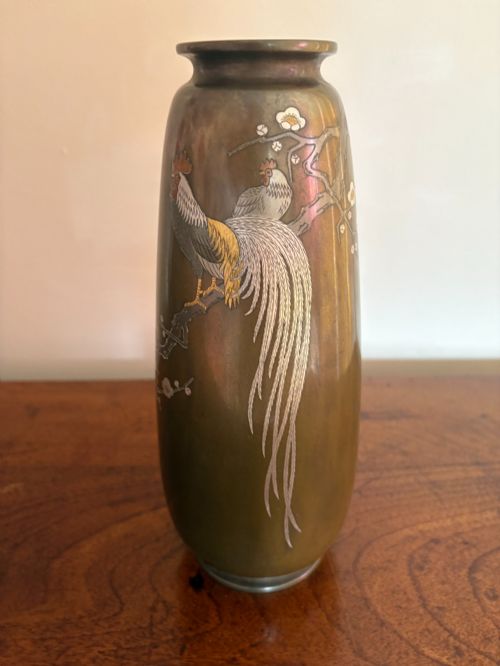
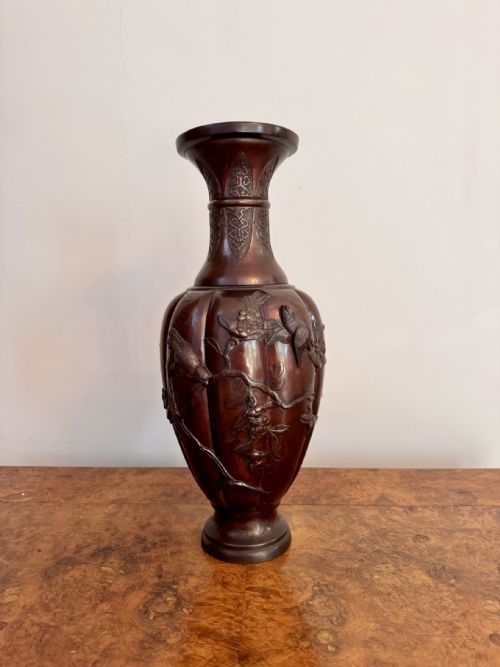
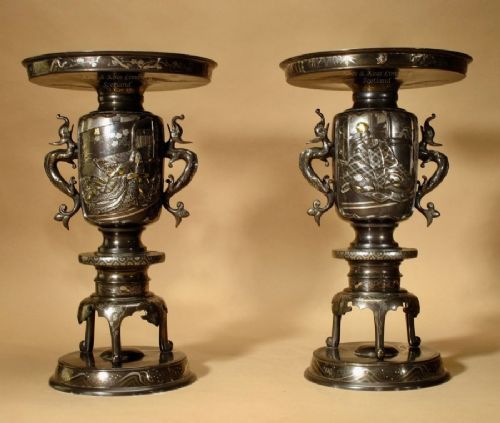
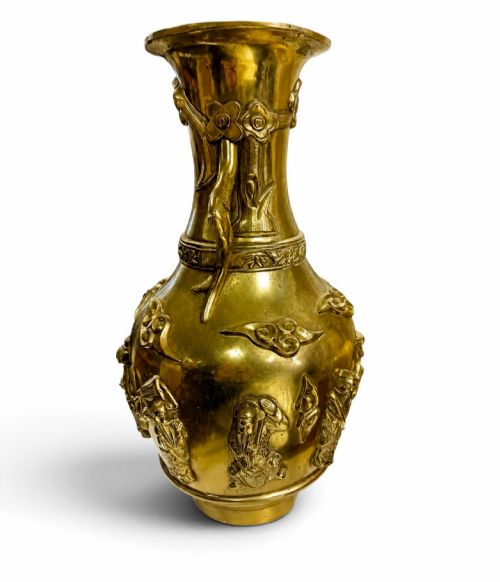
Metal vessels combine cast bronze or copper alloys with inlaid wire, champlevé enamel or high-relief detailing, demonstrating precise metalworking techniques.
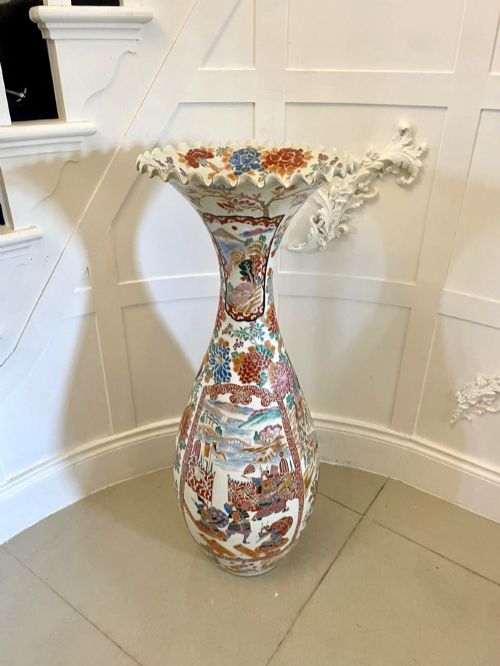
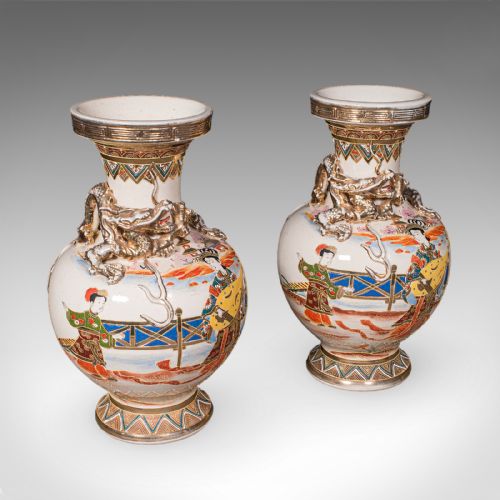
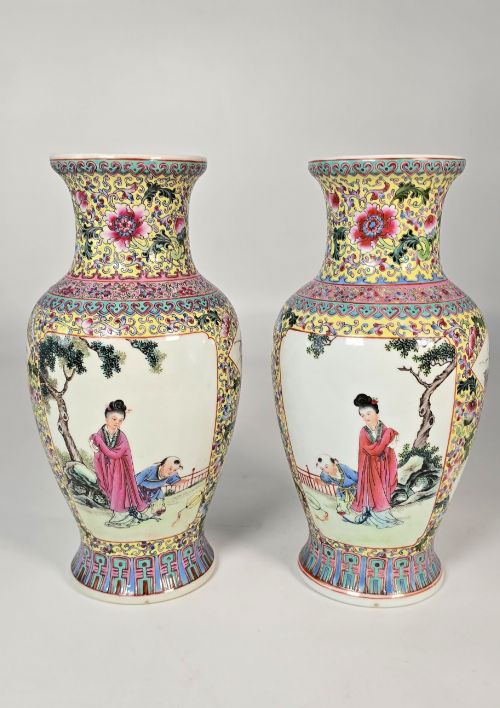
Ceramic pieces involve earthenware, stoneware and hard-paste porcelain decorated with hand-painted Imari palettes, Satsuma glazes or celadon finishes.
Lacquer items employ layers of red cinnabar or applied panels built upon wooden or base structures to create tactile surfaces.
Several heavy bronze vases depict Daoist immortals alongside mischievous dragons, keeping watch over your mantelpiece.
What varies in quality
The distinction between standard export ware and the finest pieces lies in the crispness of the chasing on bronzes and the intricacy of the hand-painted enamel work.
Substantial weight, balanced proportions and defined maker or base marks separate monumental floor vases and garnitures from simpler domestic items.
KANASAWA·Manpei·Makuzu Kozan II·Hicks and Meigh
The Oriental Decorative Urn Glossary
- Cloisonné
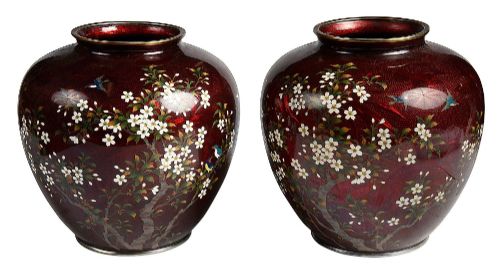
- Enamelling technique where thin metal wires are soldered to a metal base to create compartments filled with coloured paste. These cells are then fired and polished smooth.
- Imari
- Style of Japanese porcelain decorated in underglaze blue and overglaze red, gold and green. Originating in Arita, these wares became immensely popular for export.
- Satsuma
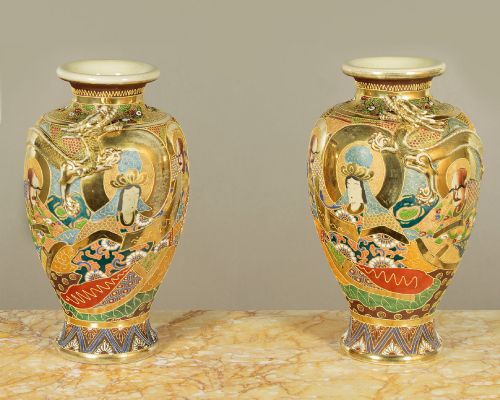
- Earthenware pottery originating from the Satsuma Province, characterised by an ivory crackle glaze decorated with polychrome enamels and gilt. Many fine examples date from the Meiji period.
- Champlevé
- Enamelling method where troughs or cells are carved directly into a thick metal surface to hold enamel powders before firing. This differs from soldered wire cloisonné.
- Cinnabar
- Carved red lacquer created by building up numerous layers of lacquer on a core before carving intricate motifs into the thick surface.
Oriental Decorative Urn: Frequently Asked Questions
How do I identify a Meiji period piece?
Meiji period items, produced between eighteen sixty-eight and nineteen twelve, often display exceptional technical refinement in bronze casting and Satsuma pottery. Look for detailed flora, fauna or figurative motifs executed with high precision.
Many of these objects were created specifically for international exhibition and export, leading to a distinct standard of decorative complexity not seen in earlier wares.
What is the difference between a ginger jar and an urn?
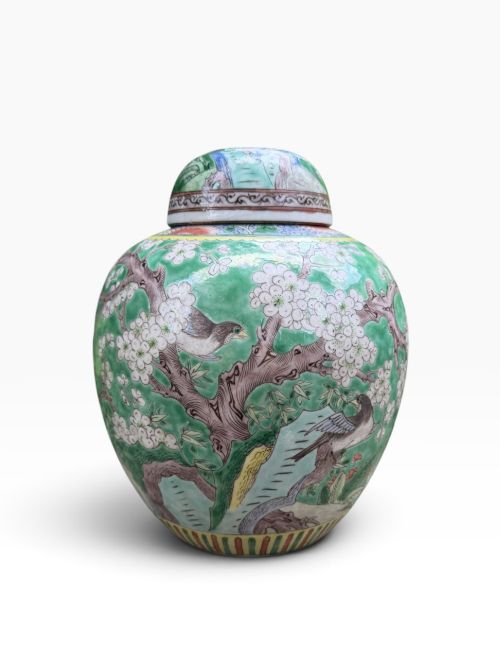
Ginger jars traditionally feature broad shoulders and a domed cover, originally designed for storing spices or oil before becoming purely decorative ornaments. Urns generally present a more classical baluster silhouette, sometimes with handles or mounted on pedestals.
In historical listings, these terms often overlap as makers adapted traditional forms for Western display cabinets and mantelpieces.
How should I care for antique bronze and enamel?
Bronze vessels benefit from gentle dusting with a soft, dry cloth to preserve the natural patina developed over decades or centuries. Avoid using liquid polishes or aggressive cleaning agents that can strip applied gold leaf or damage inlaid champleve enamel.
Enamel surfaces are sensitive to sudden temperature shifts and direct sunlight, so placement away from direct heat sources ensures long-term stability.
Are converted lamps original?
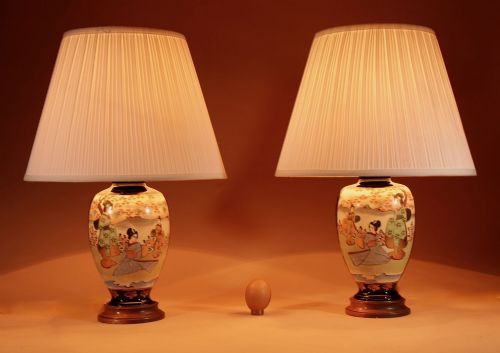
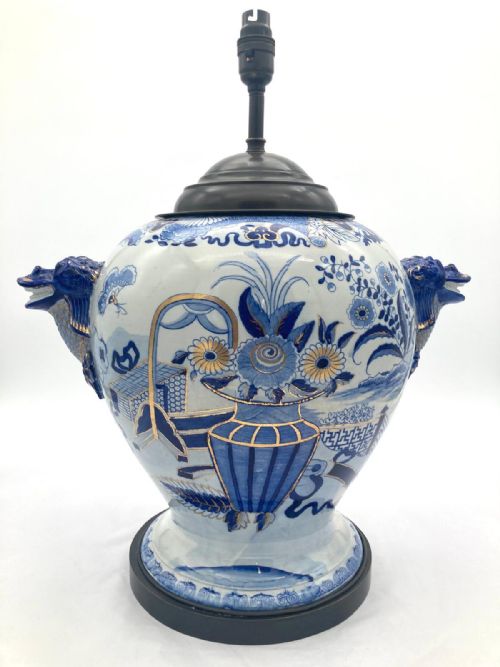
Many large vases and urns from the Victorian and Edwardian eras were subsequently fitted as table lamps to suit contemporary interior lighting trends. This conversion was often carried out professionally while retaining the original ceramic or bronze body intact.
Collectors view these as period adaptations that reflect the changing domestic use of these decorative objects over time.