


Gilt Enamel Ceramic Vase
A gilt enamel ceramic vase brings together rich metallic leaf and raised pigment on earthenware or porcelain.
Gilt Enamel Ceramic Vase
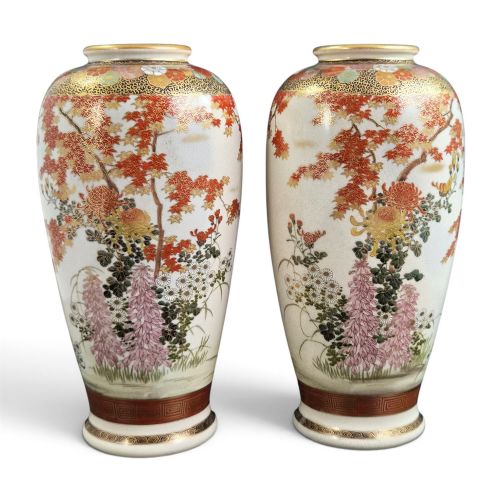
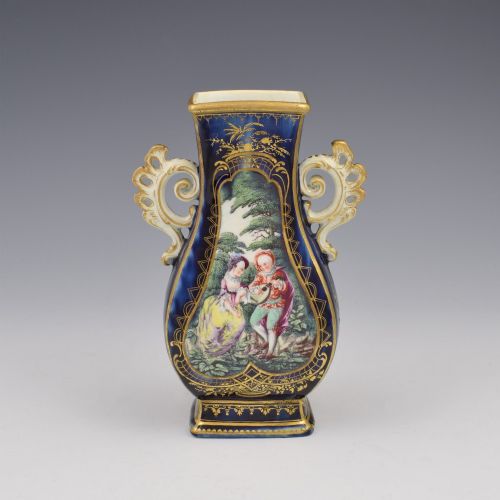
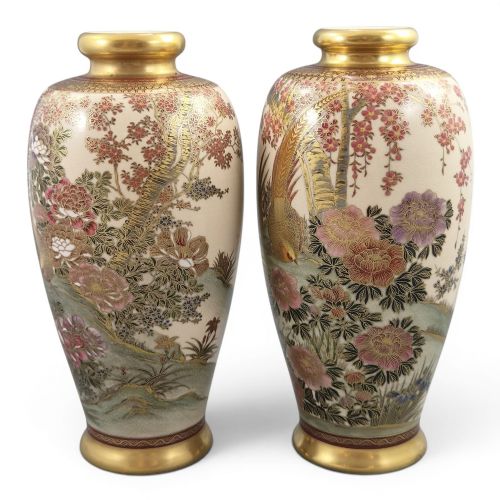
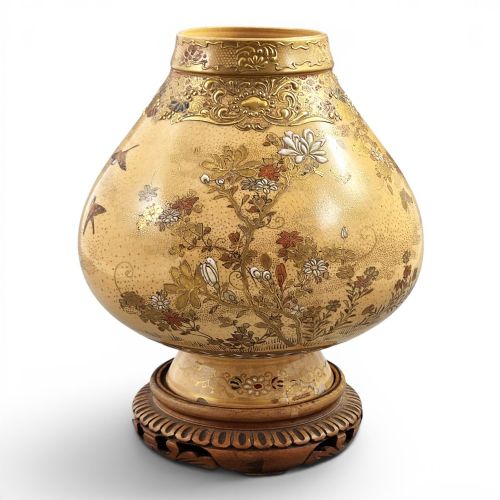
A gilt enamel ceramic vase combines decorative metal leaf and vitreous pigments upon a fired clay or porcelain body. When searching for a gilt enamel ceramic vase, buyers encounter items ranging from nineteenth-century Japanese earthenwares to eighteenth-century European porcelains and twentieth-century decorative pieces.
The selections span several periods, from eighteenth-century English soft-paste porcelain to late nineteenth- and early twentieth-century Japanese Satsuma wares and Chinese export pieces. Forms vary from traditional tall display vessels to pairs adapted into table lamps, often featuring hand-painted panels or raised enamel motifs.
How they were made
Potters shaped earthenware or porcelain bodies before applying glazes and foundational firing techniques. Artisans then layered enamel pigments and gold leaf or heavy gilt detailing onto the hardened surfaces.
Specialised techniques such as moriage created raised slip decoration beneath the enamel and gold highlights. Hand-painting supplied detailed figures, floral gardens, and landscape panels that defined the final aesthetic.
Some nineteenth-century makers packed their exhibition vases with so much gold leaf that the guardians had to wear sunglasses just to dust them.
What varies in quality
The finesse of the hand-painted panels and the density of the gold leaf or heavy gilt work dictate the standing of a piece. Finer examples display meticulous brushwork in court scenes and botanical details rather than mechanical transfers.
Exhibition-quality items feature signed workshops or named makers, coupled with complex relief work and well-preserved enamel layers. Lesser examples show simpler decoration and thinner applications of metallic leaf.
Kinkōzan Workshop·Nanzan·Seiko-en Chokei·Manpei·Hakusan·Hododa·Maruni Kobe·Samson Paris·Wedgewood
The Gilt Enamel Ceramic Vase Glossary
- Moriage
- A Japanese pottery technique using raised clay slip to create textured decoration beneath glazes and enamels. This method produces a heavily decorated surface that stands proud of the vessel body.
- Gilt
- Application of gold leaf or gold paint to the surface of ceramic wares. It provides metallic contrast against painted enamel grounds.
- Soft-paste porcelain
- A ceramic composition containing glass frit and white clay, fired at lower temperatures than hard-paste porcelain. Eighteenth-century English factories utilised this material for decorative vessels.
- Satsuma
- Japanese earthenware originating from the Satsuma Domain, typically characterised by a cream-coloured, crackle-glazed body. Makers decorated these pieces extensively with polychrome enamel and gold.
Gilt Enamel Ceramic Vase: Frequently Asked Questions
How do I identify Satsuma ware?
Satsuma ware typically presents an ivory or cream-coloured earthenware body covered in a fine crackle glaze. Artisans ornamented these surfaces with dense polychrome enamel and heavy gold leaf.
Many pieces bear artist signatures or workshop marks on the base, indicating their origin in nineteenth- or early twentieth-century Japan.
What is Rose Medallion?
Rose Medallion describes Chinese export porcelain featuring distinct alternating panels of figures and birds or flowers. The palette relies heavily on rose pink enamel combined with gilt detailing.
These large nineteenth-century pieces were produced primarily for Western markets and sometimes converted into table lamps.
How should I clean a gilt ceramic vase?
Clean these delicate surfaces using a dry, soft brush to remove dust without disturbing raised enamel or gold leaf. Avoid liquid cleaners and chemical solvents, which can damage aged glazes and metallic finishes.
Examine the piece carefully under good light to ensure no moisture penetrates old hairline cracks in the body.
Are these vases suitable for fresh flowers?
Many antique decorative vases function primarily as display pieces rather than water-holding vessels. Historic bodies and glazes can be porous or vulnerable to moisture damage over time.
Using a small glass insert inside the vessel protects the interior from water while allowing you to display stems safely.