





Oriental Charger Plates
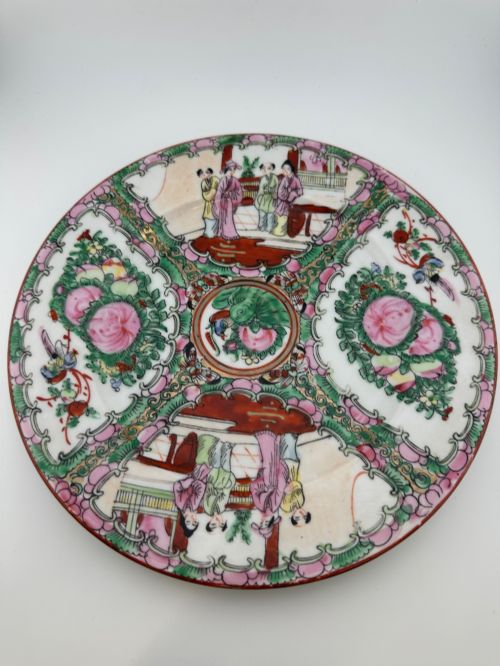
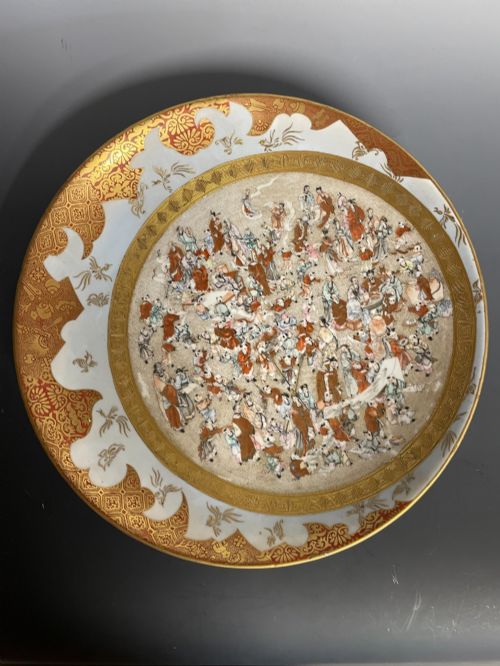
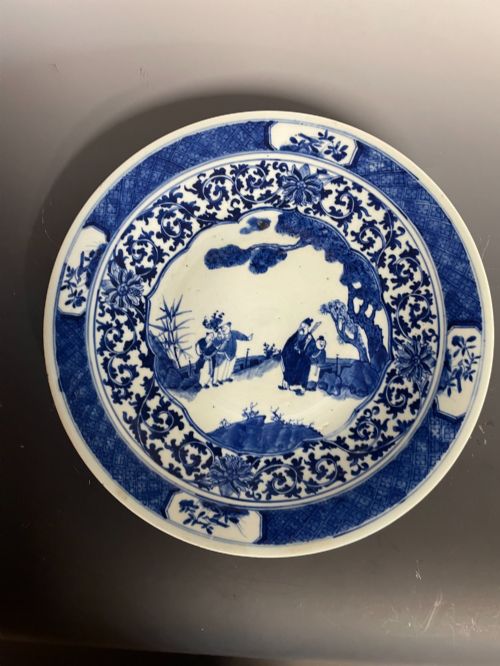
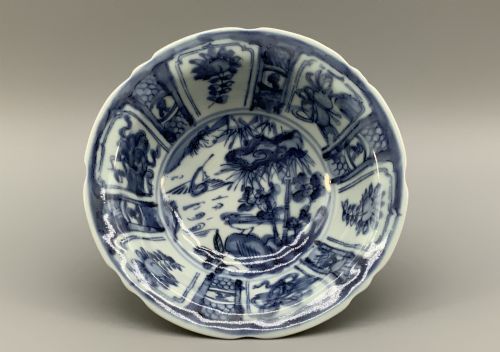
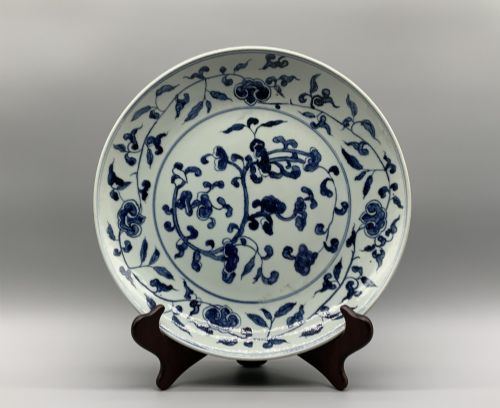
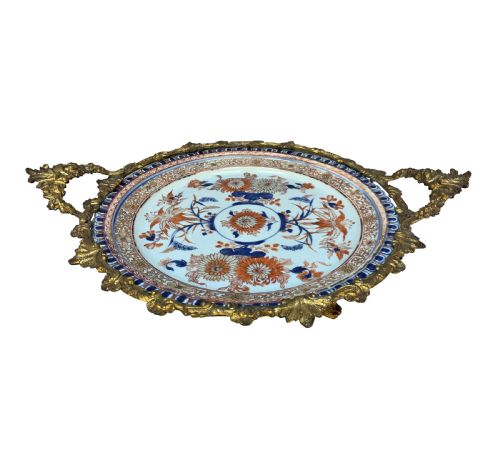
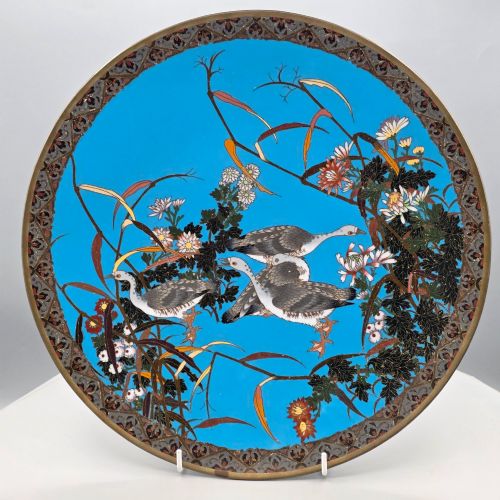
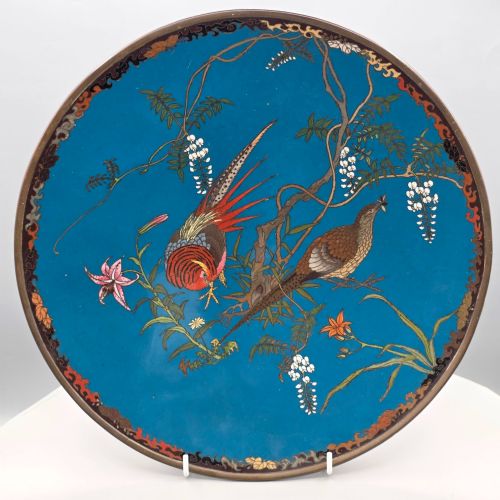
These large oriental charger plates bring striking palettes of cobalt underglaze and gold leaf to a wall or table.
Oriental Charger Plates
Oriental charger plates are wide display vessels made to sit on a sideboard or hang on a wall, capturing attention through sheer scale and intricate decoration. When searching for oriental charger plates, a buyer encounters large serving platters and decorative dishes intended primarily for display rather than dining.
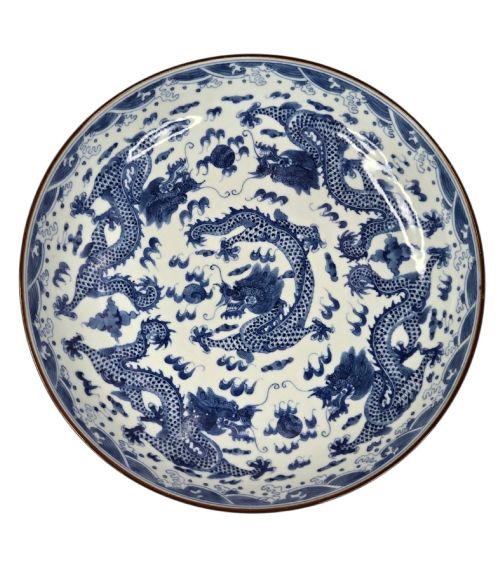
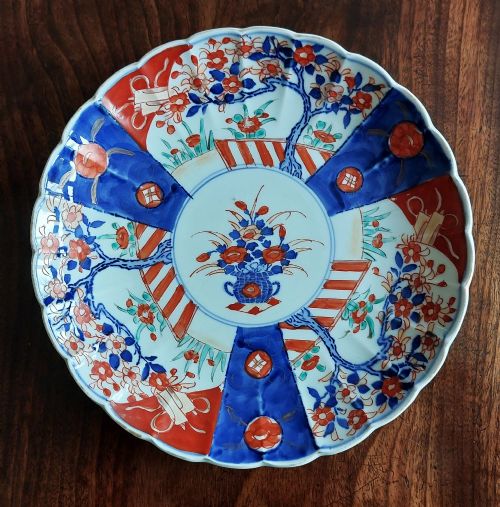
The selections span distinct cultural origins, predominantly featuring Japanese Imari wares from the Meiji period alongside Chinese porcelain from the Kangxi and Qing periods. Many examples display traditional motifs such as exotic birds, dragons, and floral arrangements across scalloped, hexagonal, or circular formats.
Originating from periods spanning the seventeenth century through to the early twentieth century, these decorative plates reflect centuries of ceramic tradition. The inventory carries notable representations of Arita kilns and Satsuma workshops alongside transferware alternatives.
How They Were Made
Potters shaped high-firing porcelain and earthenware bodies on the wheel or pressed them into moulds to achieve wide, stable bases suitable for expansive decoration. Artisans applied cobalt underglaze pigments before the initial kiln firing to secure deep blues beneath a clear glass glaze.
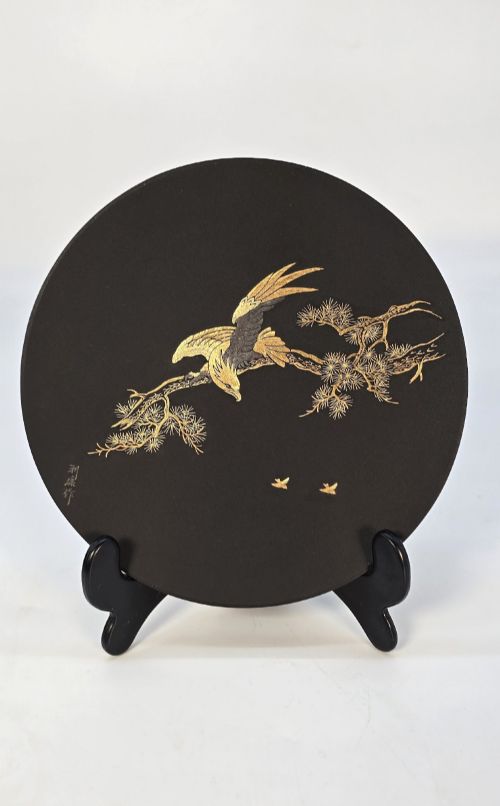
Overglaze enamel colours, copper wire cells, and gold leaf additions followed in subsequent lower-temperature firings to create rich textured surfaces on cloisonne and Satsuma pieces. Metal mounts in ormolu and iron inlays provided structural framing for select ceramic and metalwork panels.
The inventory spans the seventeenth century to the early twentieth century, with strong representation from the Meiji period.
What Varies in Quality
The complexity of the palette influences overall refinement, noting how cleanly gold leaf and enamel sit against the underlying glaze without muddying the composition. Edge crispness on scalloped and lobed forms indicates careful handling during the forming process.
Koshida·John Rogers and Son
The Oriental Charger Plates Glossary
- Imari
- A style of Japanese porcelain featuring a distinct palette of cobalt blue, iron red, and gold, named after the port of export. These wares gained immense popularity across Europe during the seventeenth and eighteenth centuries.
- Cloisonne
- An enamel technique where metal wire soldered to a copper or bronze base creates small cells filled with coloured paste before firing. The resulting surface presents a smooth, patterned mosaic of vibrant hues.
- Kangxi Period
- An era of the Qing dynasty spanning the late seventeenth and early eighteenth centuries noted for technical excellence in blue and white porcelain production. Pieces from this time display luminous glazes and controlled cobalt painting.
- Meiji Period
- A Japanese historical era lasting from 1868 to 1912 characterised by intense artistic innovation and export to Western markets. Works from this time often combine traditional motifs with highly detailed metal and enamel decoration.
- Satsuma
- A type of Japanese earthenware featuring a crackled ivory glaze decorated with polychrome enamels and raised gold moriage. These pieces typically depict elaborate figurative scenes and dense floral gardens.
- Swatow Ware
- Chinese export ceramics produced during the late Ming dynasty for Southeast Asian and Japanese markets, known for robust bodies and loose brushwork. These large dishes frequently carry spontaneous blue and white or polychrome designs.
Oriental Charger Plates: Frequently Asked Questions
How do I hang a heavy charger plate safely?
Large plates require specialised wall brackets featuring spring-loaded brass fingers that distribute the weight evenly across the rim. Ensure the fixing anchor secures firmly into wall studs rather than plaster alone.
Felt pads placed between the metal clips and the porcelain edge prevent scratching the glaze during seasonal adjustments.
Were these large plates used for dining?
Most antique chargers served as decorative centerpieces or display platters on formal dining tables rather than individual dining plates. Their generous dimensions made them ideal for presenting whole joints of meat or seasonal fruit.
Historical inventories show they frequently occupied prominent positions on sideboards when not in active service.
How do I distinguish Meiji period Imari from earlier pieces?
Meiji period Imari typically exhibits a brighter, more saturated palette with heavier reliance on dense gold detailing and crisper kiln stilt marks. The porcelain body feels denser and brighter white compared to the slightly greyer tones of earlier export wares.
Brushwork on late nineteenth-century examples often demonstrates extreme technical precision rather than the looser spontaneity found on eighteenth-century predecessors.
Can I wash antique porcelain chargers with water?
Gentle cleaning with lukewarm water and mild soap removes surface dust safely from durable glazed porcelain surfaces. Avoid soaking pieces that feature exposed earthenware bases or delicate overglaze enamels.
Metal-mounted pieces and cloisonne require dry dusting with a soft brush to protect vulnerable wire cells and patinated iron surfaces.