



Oriental Baluster Vase
An oriental baluster vase brings distinct curves and hand-painted detail to a room, holding flowers or standing alone as a centrepiece.
Oriental Baluster Vase
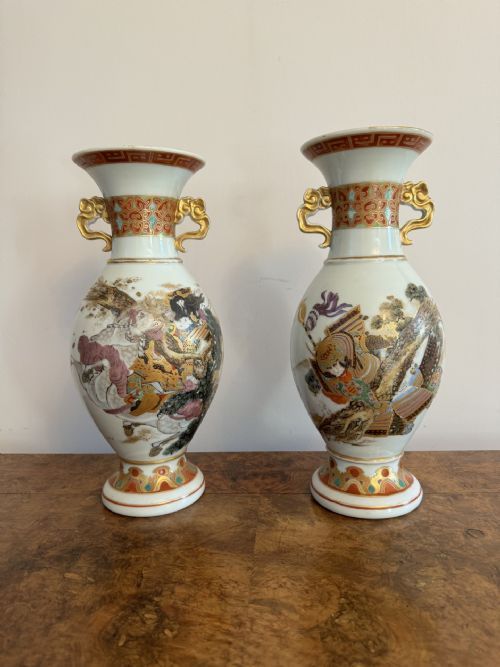
The selections span the nineteenth and early twentieth centuries, drawing heavily on Chinese Qing Dynasty traditions and Japanese Meiji period workshops. Buyers encounter ceramic vessels alongside heavier bronze and copper-alloy forms.
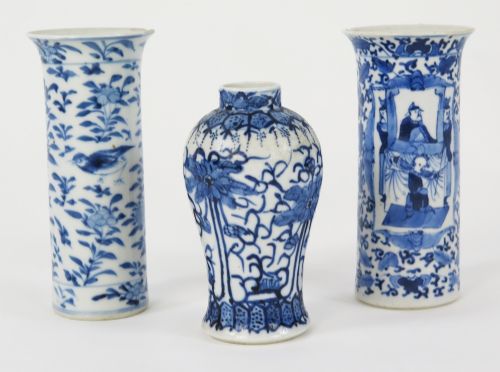
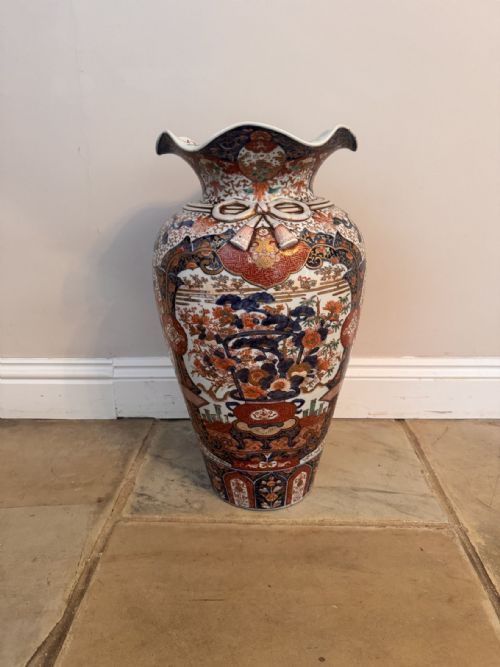
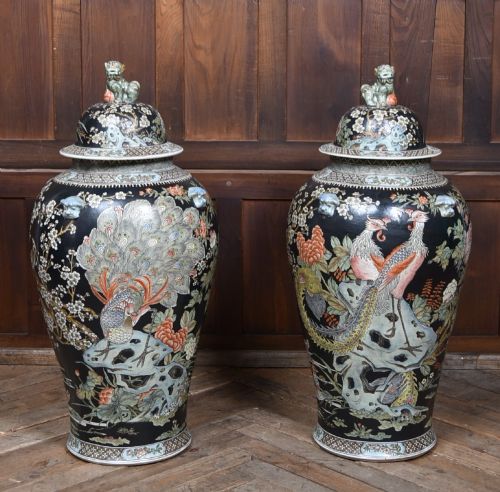
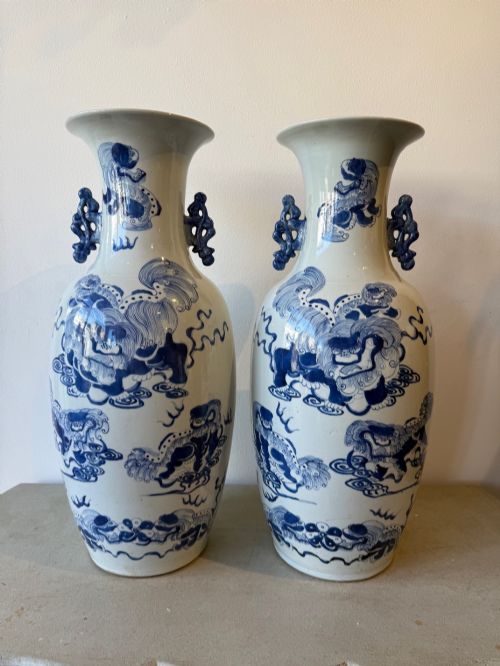
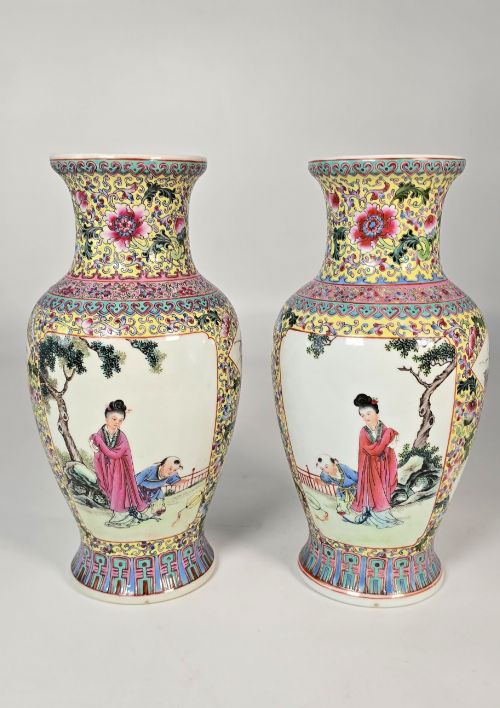
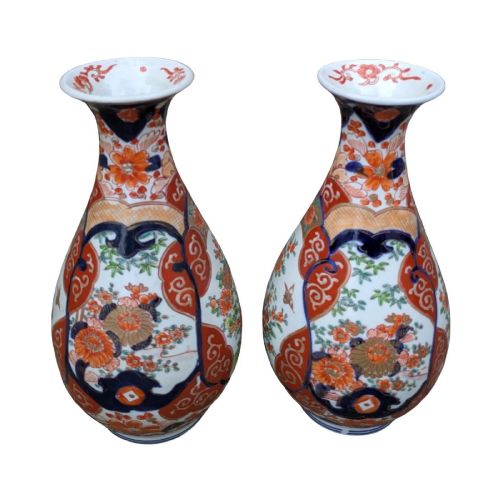
Chinese export wares and Japanese Imari palettes dominate the current selection, ranging from domestic tabletop urns to monumental floor-standing pieces.
How they were made
Potters shaped ceramic and porcelain bodies by hand or on the wheel before applying mineral pigments, cobalt blues, and enamel washes. Kiln firing fixed the glaze, often integrating gold leaf and intricate copper-alloy or bronze mountings.
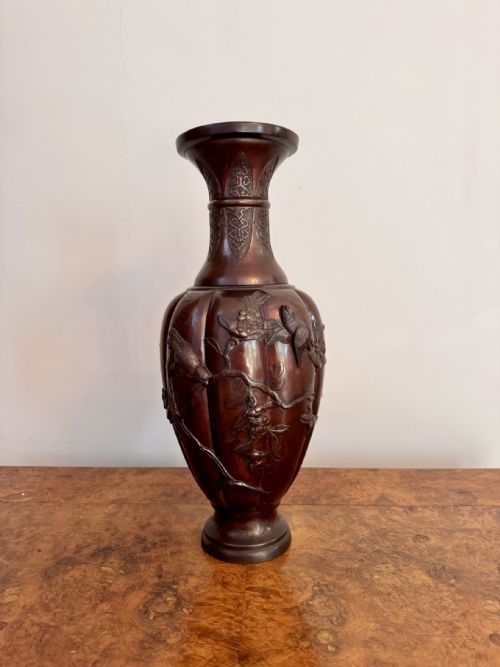
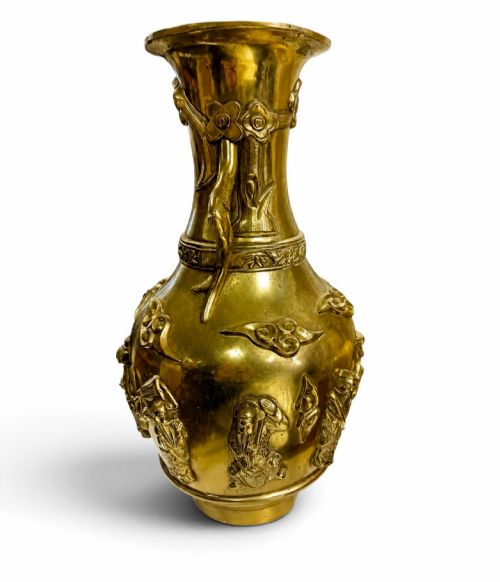
Bronze and copper-alloy vessels utilised casting techniques, sometimes incorporating champlevé enamel work or high-relief figures soldered to the surface.
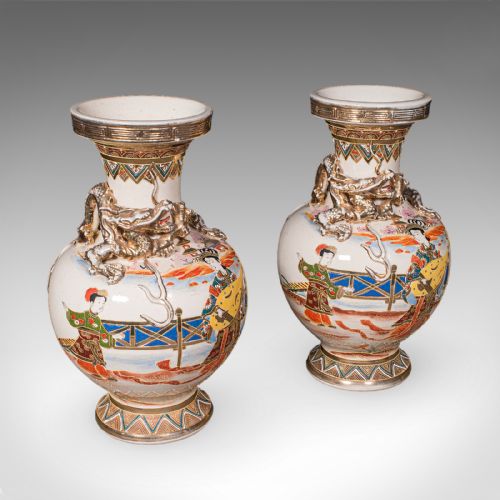
Several Meiji period vases feature tiny sculpted figures clinging to the rim as if attempting to climb inside.
What varies in quality
The clarity and depth of the hand-painted enamels dictate much of the visual success, alongside the precision of high-relief modelling on metal-alloy bodies. Crisp cobalt underglazes and balanced proportions distinguish finer examples from standard production.
The presence of intact covers, original bases, and documented signatures from notable makers elevates a piece within its period.
MAKUZU KOZAN·Kinkozan·Shozan
The Oriental Baluster Vase Glossary
- Baluster
- A vertical architectural pillar with a swelled base, which lent its curved silhouette to these ceramic and metal vessels. The profile defines the classic vase shape.
- Famille Rose
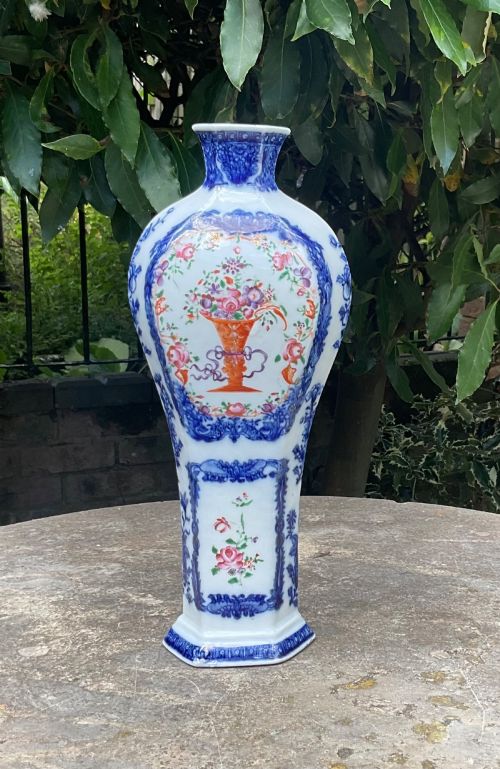
- A palette of opaque pink and rose enamel colours introduced during the Qing Dynasty. Artisans used these tones to render floral and figural scenes.
- Imari
- A style of Japanese export porcelain decorated in underglaze blue, iron red, and gold. The palette originated in Arita and gained popularity across Europe.
- Champlevé
- An enamelling technique where troughs are carved into a metal surface and filled with vitreous paste before firing. The method creates patterned borders on bronze vessels.
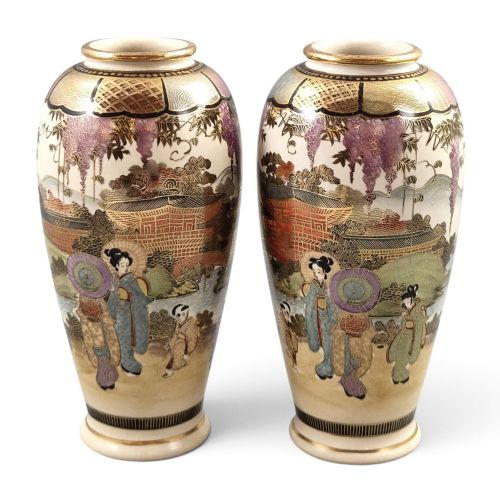
- Satsuma
- Earthenware pottery originating from Satsuma Province in Japan, featuring a cracked ivory glaze and dense polychrome enamel decoration.
Oriental Baluster Vase: Frequently Asked Questions
How do I identify a Meiji period vase?
Meiji period Japanese pieces often display dense Satsuma earthenware or Imari patterns alongside artist signatures from active regional workshops.
Look closely at the glaze consistency and the style of figures depicted to separate them from later twentieth-century reproductions.
Were these vases used for display or function?
Many large vessels functioned as floor-standing jars or garniture sets intended for formal interior display rather than holding water.
Some smaller ceramic and bronze examples served as urns or stem vases on tables.
What does Qing Dynasty design indicate?
Qing Dynasty attribution points to Chinese porcelain or bronze work created during the imperial period, often featuring famille rose or blue and white motifs.
Later nineteenth-century pieces frequently borrowed design elements from earlier Kangxi and Qianlong periods.
How should I clean an antique bronze vase?
Dust bronze and copper-alloy surfaces gently with a dry, soft cloth to preserve the natural patina and any applied champlevé enamel.
Avoid chemical polishes and water immersion, which can damage delicate patination and historical metal finishes.