



Orange Porcelain Plate
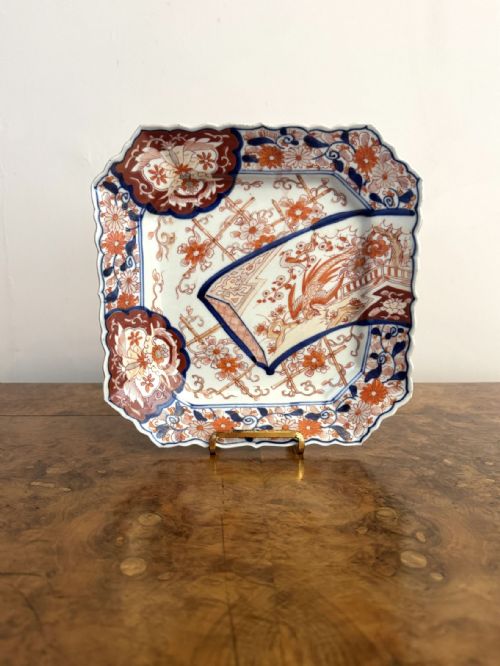
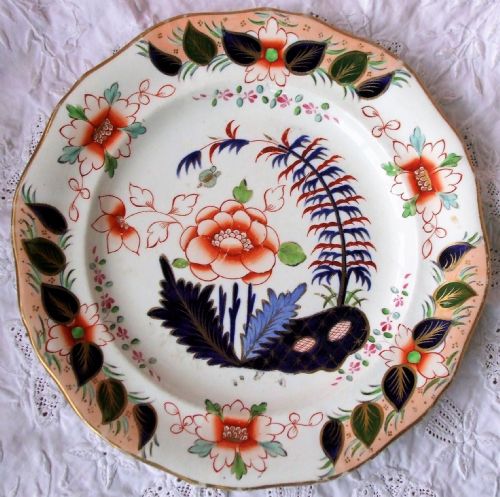
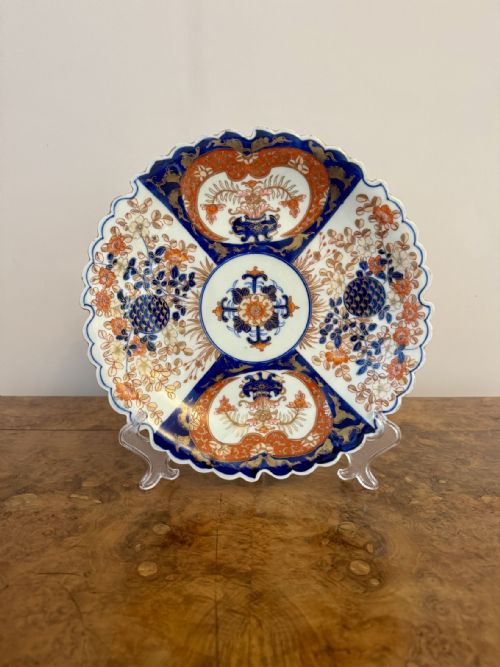
An orange porcelain plate brings vibrant colour and intricate hand-painted decoration to a wall or table.
Orange Porcelain Plate
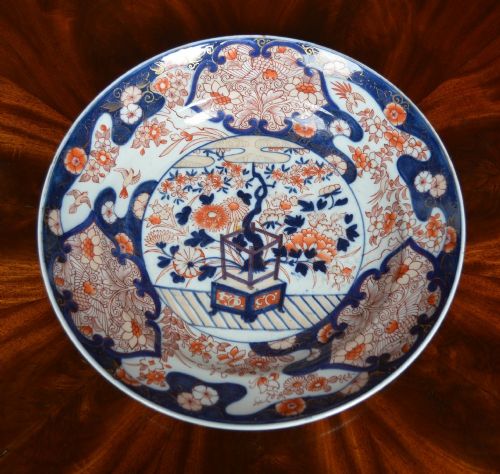
An orange porcelain plate spans diverse decorative styles and forms, ranging from Japanese Imari creations to Chinese export wares and English factory pieces. Buyers seeking an orange porcelain plate will frequently encounter Japanese Imari ceramics, alongside Chinese coral-orange ground dishes and English ironstone or porcelain examples.
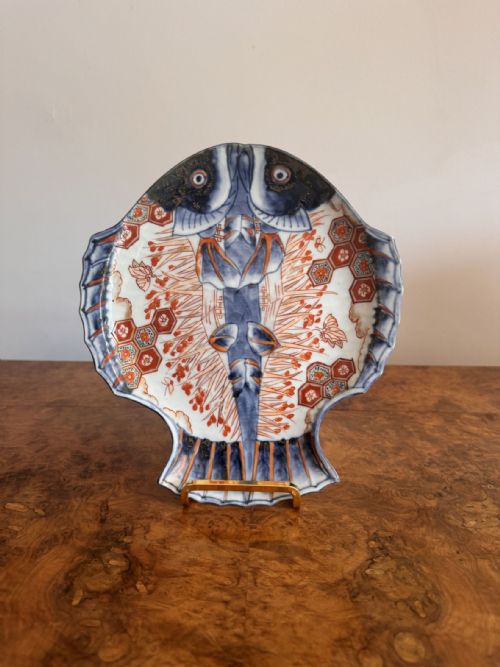
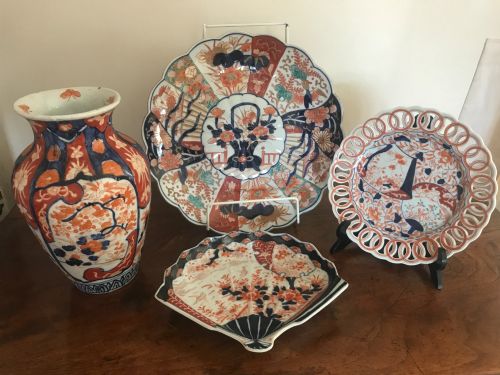
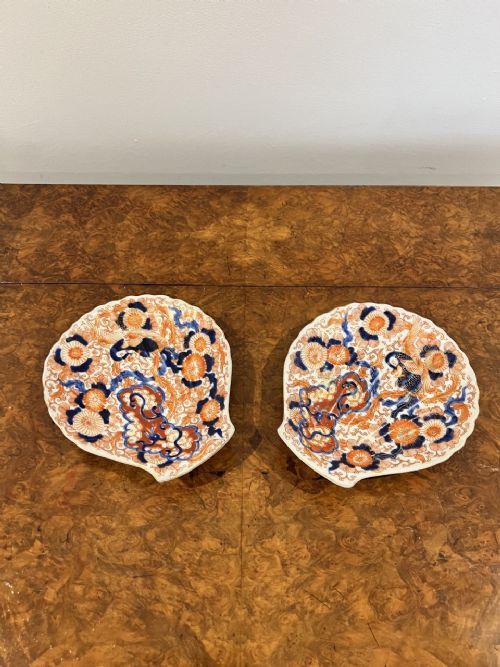
The selection includes decorative chargers, fish and shell shaped plates, ribbon plates, and fan shaped display dishes. Many pieces date from the nineteenth century and the early twentieth century, with earlier examples originating in the eighteenth century and the Edo period.
Makers and regional traditions represented in the records include Japanese workshops, Chinese imperial periods, and English potteries such as John Davenport of Longport, Worcester, and Coalport.
How they were made
Potters shaped ceramic bodies from porcelain and ironstone, applying glazes before firing the pieces in kilns. Artisans then decorated the surfaces using enamel pigments, hand-painted designs, and contrasting touches of gold leaf, gilt, and gilding.
Specialised techniques include the distinctive Imari palette of cobalt blue and iron red, alongside coral-orange ground applications and complex compartmentalised motifs.
Listings feature eighteenth-century Chinese export pieces alongside nineteenth-century Japanese Imari chargers and English ironstone.
What varies in quality
Quality rests upon the crispness of the hand-painted brushwork and the vibrancy of the enamel colours and gilding. Finer pieces display balanced composition, intricate detailing in figurative or floral motifs, and well-executed moulding in alternative forms such as shells or fish.
The weight, resonance, and translucency of the porcelain body also distinguish standard production wares from superior factory outputs and artist-painted exhibition pieces.
John Davenport of Longport·Flight Barr and Barr·Chamberlain Worcester·Coalport Porcelain
The Orange Porcelain Plate Glossary
- Imari
- A traditional Japanese style of ceramic decoration originating from Arita, characterised by a palette of underglaze blue, iron red, and gilt. This aesthetic heavily influenced European potteries during the eighteenth and nineteenth centuries.
- Charger
- A large ornamental plate typically used for display rather than dining. These substantial pieces often showcase the most elaborate artistry of a maker or period.
- Ironstone
- A durable type of heavy earthenware patented in the nineteenth century. It bridges the gap between everyday pottery and fine porcelain.
- Famille Rose
- A Chinese ceramic classification defined by a palette of opaque pink and orange enamel colours. The style developed during the Qing dynasty and adorned high-status export wares.
- Gilding
- The application of gold leaf or gold powder to the surface of ceramics. It highlights rims, handles, and painted motifs to create a rich visual contrast.
Orange Porcelain Plate: Frequently Asked Questions
How were these plates used?
Many of these pieces served as decorative display chargers in formal rooms rather than everyday tableware. Collectors placed them on sideboards or hung them on walls to showcase vibrant colours and intricate patterns.
Some examples formed part of larger dinner or dessert services intended for dining use on special occasions. Their robust construction allowed them to handle both display and functional dining roles depending on the specific factory output.
How do I date an antique plate?
Dating relies upon examining the ceramic body, glaze characteristics, and decorative motifs combined with any factory marks on the reverse. Stylistic clues such as the specific Imari palette or coral-orange ground help narrow down the period.
Reference materials and recorded maker histories provide further context for distinguishing eighteenth-century pieces from Victorian or Meiji-era productions.
How do I care for antique porcelain?
Antique porcelain requires gentle handling and careful washing by hand using mild soap and lukewarm water. Avoid soaking pieces with gilt or enamel decoration to preserve the surface pigments over time.
Display plates benefit from secure wall hangers or stable stands designed specifically for heavy chargers and odd-shaped ceramics.
What is the difference between porcelain and ironstone?
Porcelain is a fine, vitreous ceramic fired at high temperatures until it becomes semi-translucent and hard. It produces a clear ringing sound when tapped gently.
Ironstone is a dense, opaque earthenware developed to resist chipping and heavy wear. It offers greater weight and durability while accommodating similar decorative enamels.