
Old Sheffield Plate Silver
Old sheffield plate silver items unite copper and silver through a fused technique, offering dining tables the heavy elegance of Georgian and Victorian craftsmanship.
Old Sheffield Plate Silver
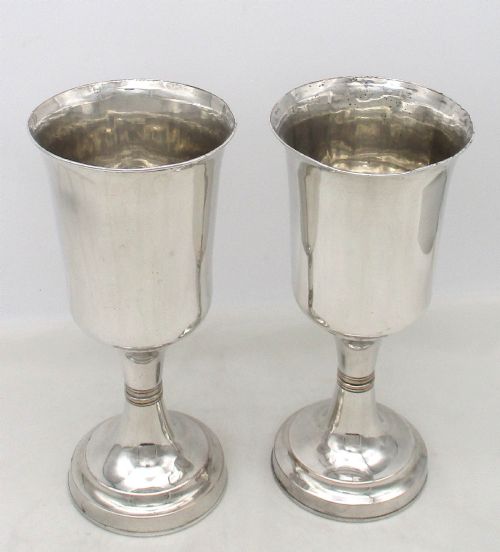
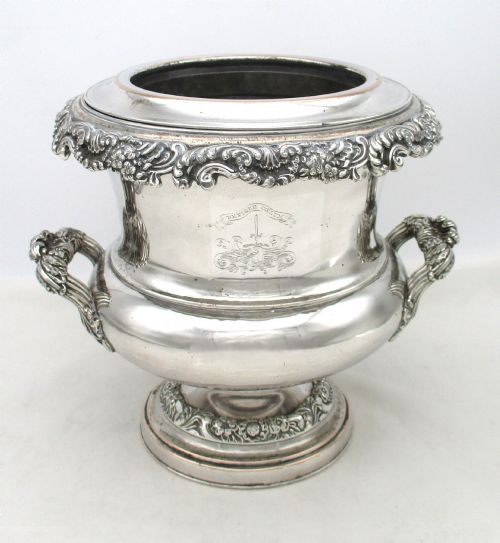
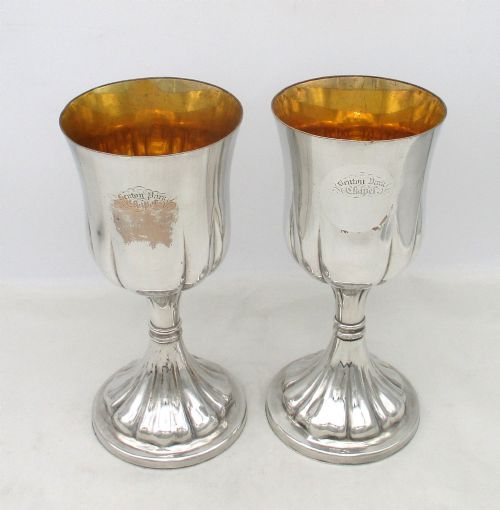
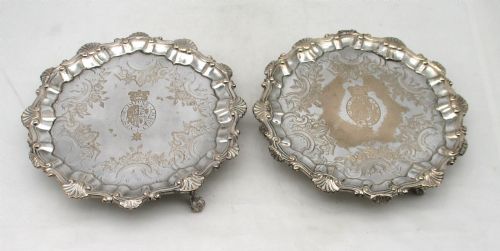
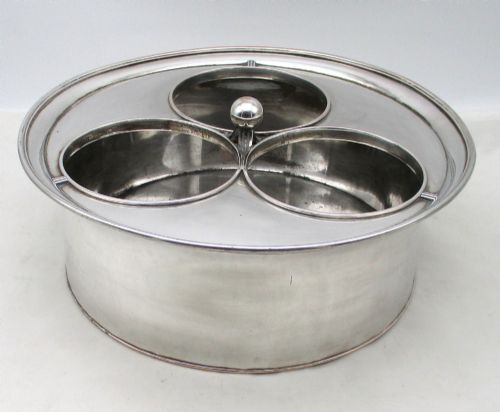
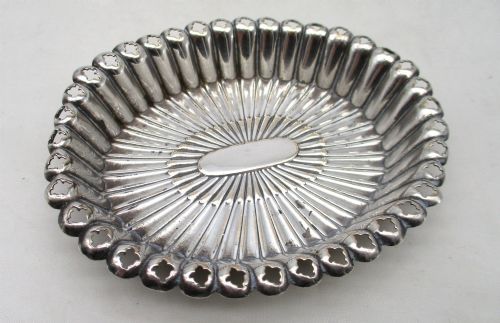
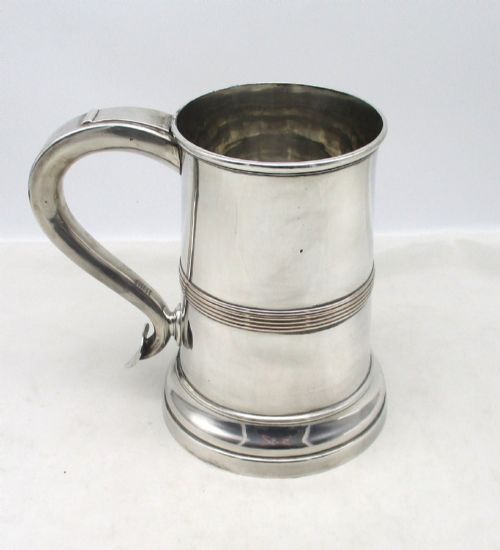
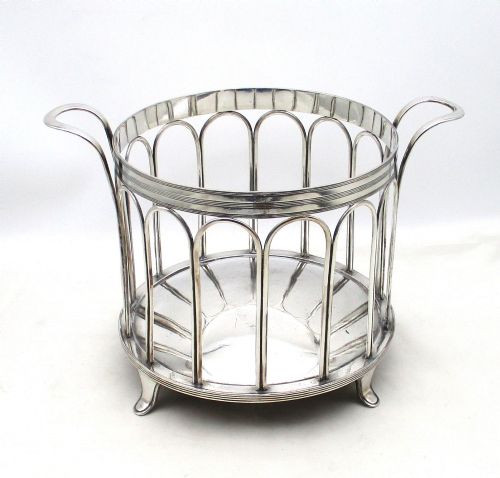
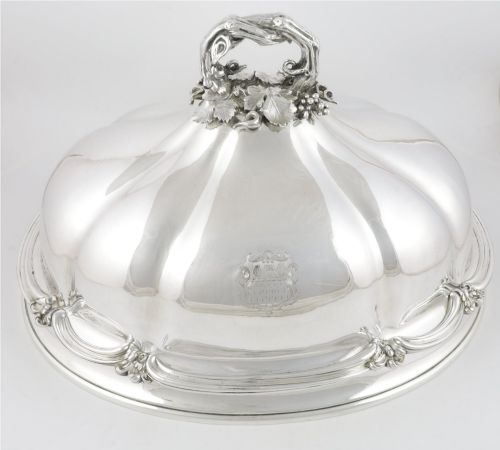
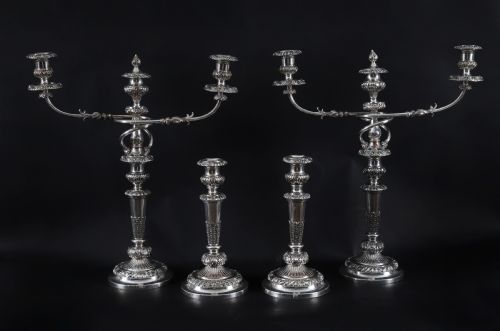
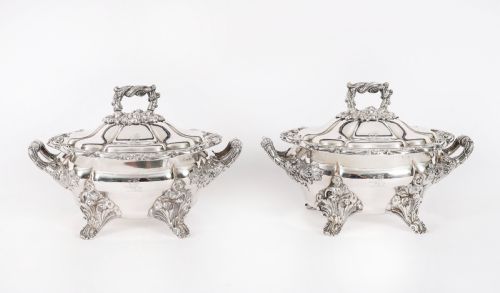
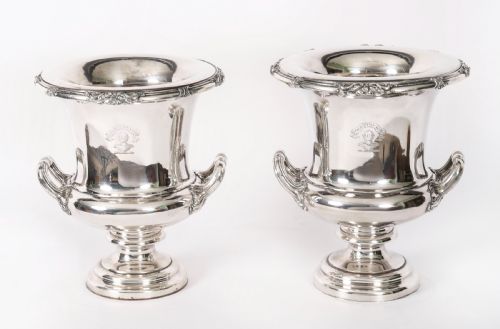
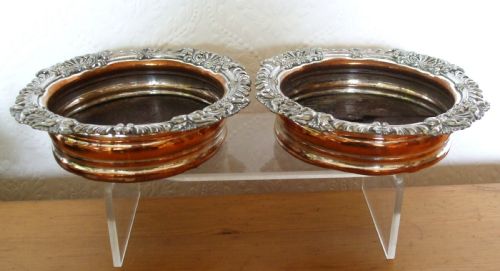
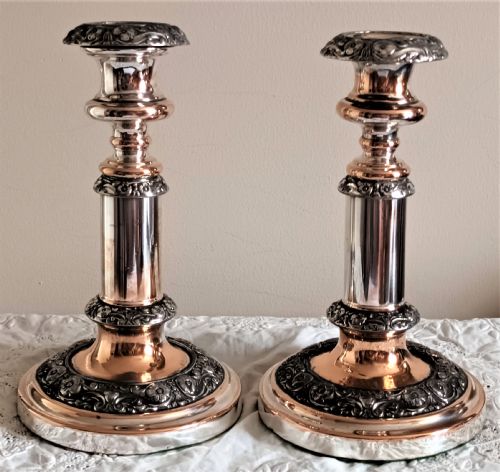
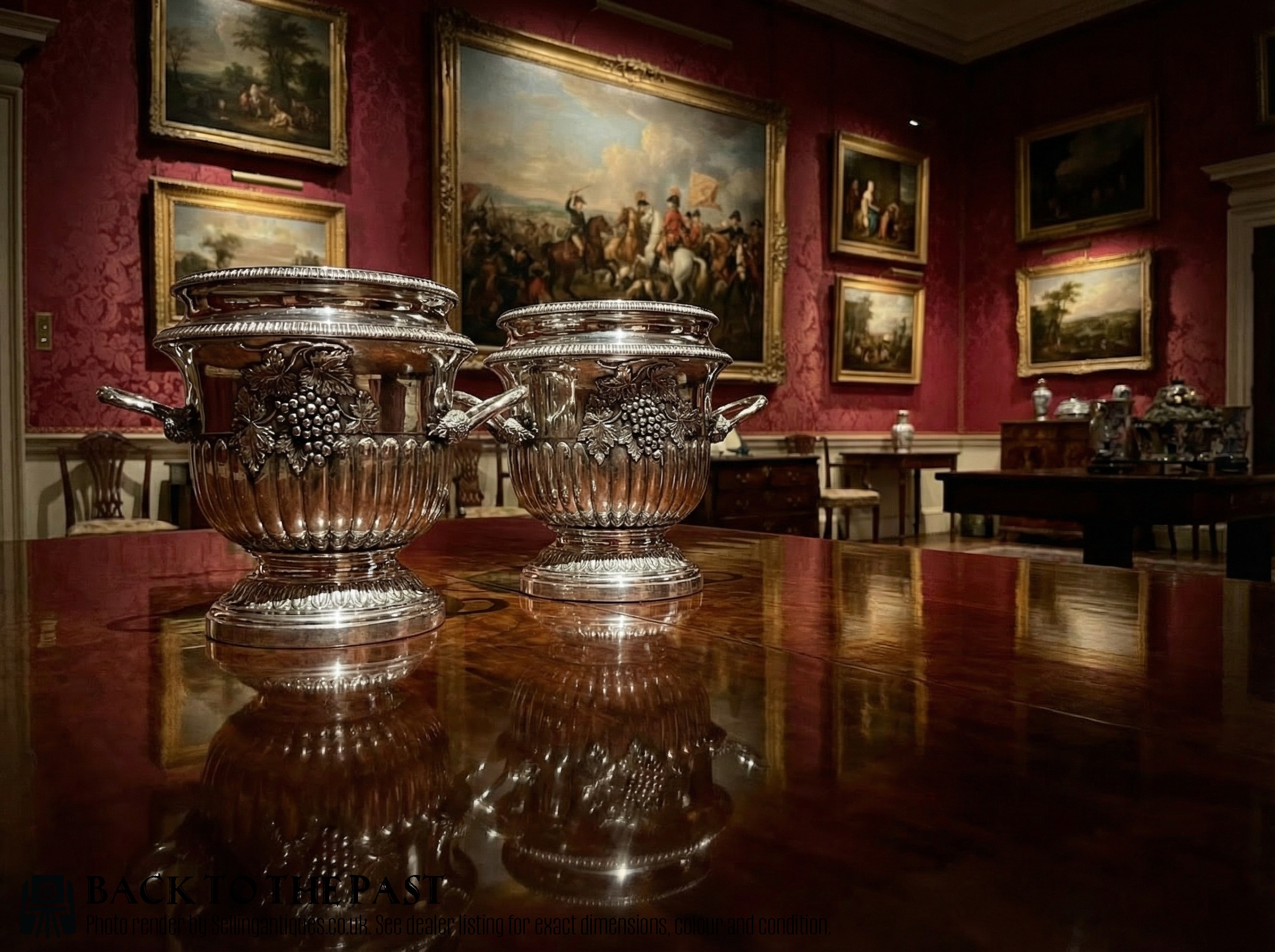
Old sheffield plate silver pieces encompass a range of domestic dining and display objects originating primarily from the eighteenth and nineteenth centuries, bridging the Georgian and Victorian eras. Buyers encounter functional and decorative domestic forms including wine coasters, wine coolers, candlesticks, coffee pots, trays, tankards, chalices, and meat domes.
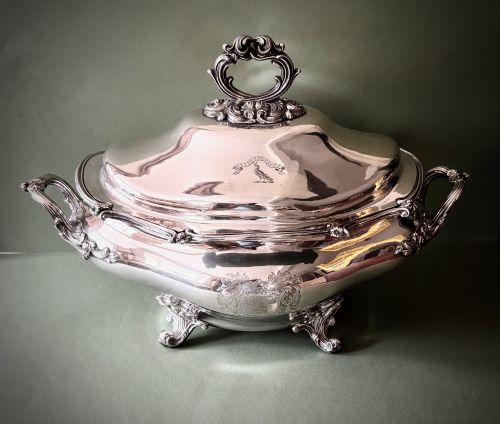
The selection reflects both formal dining accessories and ecclesiastical vessels, spanning styles from George III and Regency to Rococo Revival. Pieces such as tea urns, baskets, and sauce tureens demonstrate the extensive application of this fused plating method across household goods.

How they were made
Makers produced old sheffield plate silver by fusing a sheet of silver to a thicker copper ingot, often applying silver to both sides before rolling the composite metal into thin sheets. This fusion created a durable material that allowed craftsmen to shape items while retaining the appearance of solid silver.
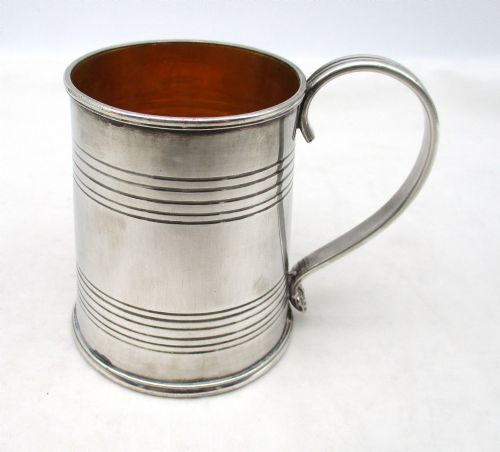
Details such as borders, handles, and shields frequently incorporated applied silver wire or stamped mounts to conceal exposed copper edges at the seams. Selected items also received a gold wash or gilt interior finish, enhancing decorative contrast within vessels like chalices and sugar baskets.
Old Sheffield Plate Silver Retail Price Guide 2026
Typical asking prices for old sheffield plate silver among the pieces listed under this phrase on Sellingantiques today, from the lower quarter to the upper quarter. They describe what is for sale here now, not the wider market.
Listings feature items from the 18th Century and 19th Century, incorporating materials like copper, silver plate, wood, and gold wash.
What varies in quality
Quality in old sheffield plate silver depends heavily on the crispness of the chased or engraved ornamentation and the proportion of original silver surface remaining over the copper base. Finer examples display deeply struck crests, substantial gauge metal, and minimal bleeding of the underlying copper through the upper silver layer.
The sophistication of the form and the integrity of applied decorative mounts separate standard production items from workshop pieces bearing named maker stamps. Superior domestic objects maintain balanced proportions and retain original components such as turned wooden bases or fitted glass liners.
Roberts Cadman·Henry Wilkinson·Creswick·Richard Morton·Matthew Boulton·John Hoyland·Padley Parkin·Fenton Bros·James Dixon and Son
The Old Sheffield Plate Silver Glossary
- Old Sheffield Plate
- A composite material made by fusing silver and copper together through heat and pressure before rolling them into sheets. This technique preceded modern electroplating.
- Meat Dome
- A large domed cover used during grand dinners to keep joints of meat warm on the serving table. These often featured engraved family crests.
- Wine Coaster
- A small disc or tray with a raised rim, frequently lined with turned wood, designed to protect table surfaces when passing bottles around the dining room.
- Gold Wash
- A thin layer of gold applied to the interior of silver or plated vessels such as chalices or mugs. This protected the base metal from corrosive acidic contents.
- Argyle
- A specialised gravy or sauce container featuring an internal heating chamber. Boiling water kept the contents warm throughout the meal.
Old Sheffield Plate Silver: Frequently Asked Questions
How do I clean old sheffield plate?
Clean these items gently using a soft cloth and mild silver polish formulated for antique plating. Avoid aggressive rubbing that might wear through the thin silver layer to expose the copper beneath.
Take extra care around engraved crests and applied borders where the silver can be particularly thin. Professional care is recommended for pieces with gilt interiors or delicate wirework.
How can I spot copper showing through?
Look closely at high-wear areas like rims, handles, and protruding decorative reliefs where the silver layer naturally thins over time. A rosy or coppery hue appearing beneath the silver indicates base metal exposure.
Many collectors appreciate this gentle telegraphing of age as proof of authenticity rather than a defect. Moderate wear simply confirms the genuine fused construction of the item.
What is a well and tree platter?
A well and tree platter is a large serving dish featuring channels carved into the surface that drain meat juices into a central well. This design kept juices away from the carved meat during grand Georgian dinners.
These platters frequently accommodated heavy meat domes to trap heat at the table. They represent the height of formal nineteenth-century dining arrangements.