
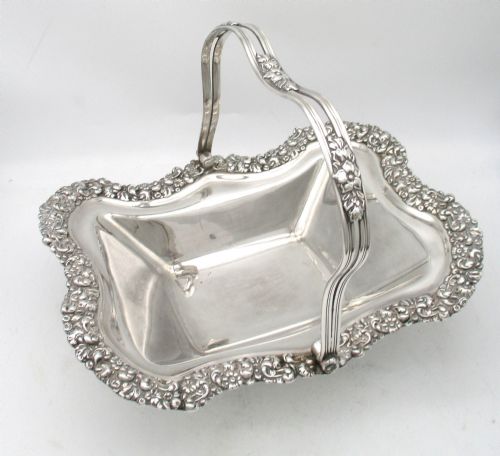
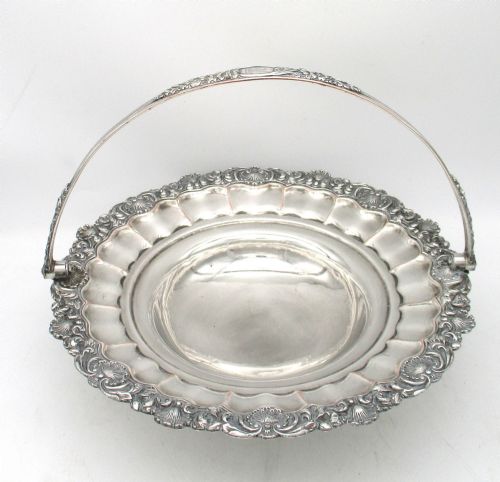


Old Sheffield Plate Dish
Old Sheffield plate dish items combine copper and silver fused through early manufacturing methods to create distinguished tableware and serveware from Georgian and Regency periods.
Old Sheffield Plate Dish
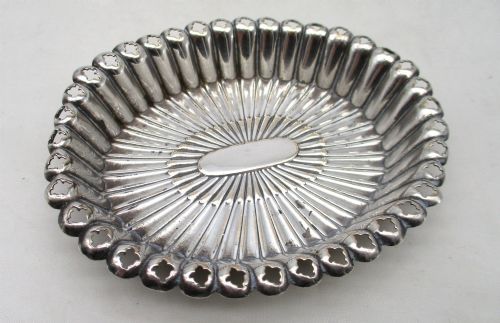
An old sheffield plate dish encompasses a wide variety of serving vessels, ranging from warming dishes and entree dishes to specialised butter dishes and sweetmeat baskets.
These pieces date primarily from the eighteenth and nineteenth centuries, emerging through the Georgian, Regency, William IV, and early Victorian periods.
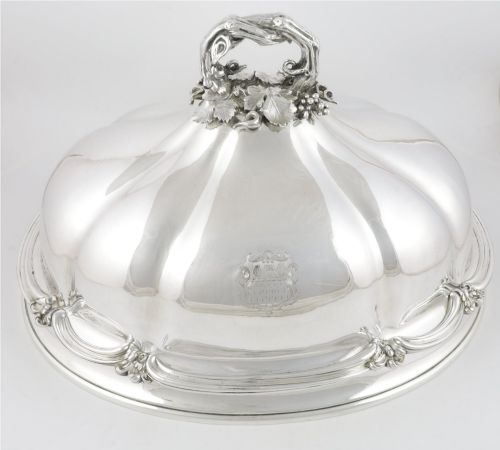
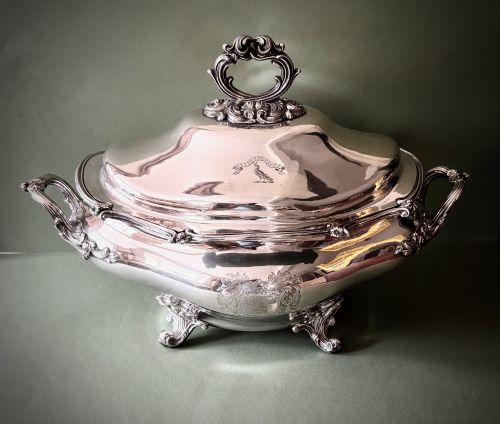
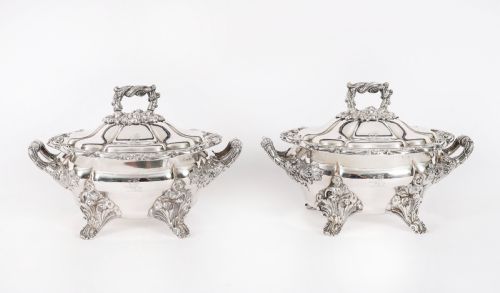
Buyers will encounter forms created for grand dining tables, including meat domes, tureens, and intricate wirework baskets alongside simpler pin trays and trinket dishes.
Materials and construction methods
Makers fused a thin layer of silver to a thicker base of copper through heat and pressure before rolling the combined ingot into workable sheets.
Craftsmen often applied internal gold wash to specific items like dessert or sweetmeat vessels and utilised wooden handles or accents on select pieces.
Edges frequently featured applied silver wire borders to conceal the exposed copper core at the perimeters of the plate.
Listings feature copper and silver materials shaped into tableware spanning the Georgian, Regency, and early Victorian eras.
Distinctions in craftsmanship and survival
The degree of copper telegraphing - where the base metal shows subtly beneath worn silver - differentiates heavily used examples from those retaining thick original plating.
Pieces bearing crisp maker marks from prominent workshops demonstrate superior initial manufacture and greater workshop accountability.
The presence of original engraved crests, intact applied wirework, and matching components elevates the historical integrity of the piece.
Roberts Cadman·Henry Wilkinson·Creswick·Matthew Boulton·Walker Knowles·Roberts Smith Co
The Old Sheffield Plate Dish Glossary
- Old Sheffield Plate
- A composite material formed by fusing silver to a copper core, invented in the eighteenth century before electroplating replaced the technique.
- Mazarine
- A pierced insert used inside a serving dish or draining plate to keep food elevated above accumulated juices.
- Dish Cross
- An adjustable, cross-shaped stand fitted with spirit burners, designed to keep serving dishes warm at the table.
- Wirework
- Open framework constructed from silver-plated wire, commonly seen on lighter sweetmeat baskets and bon bon dishes from the Georgian era.
- Meat Dome
- A large, domed cover designed to retain heat over joint servings, often engraved with family crests.
Old Sheffield Plate Dish: Frequently Asked Questions
How do I clean an old sheffield plate dish?
Gentle washing with warm soapy water and a soft cloth is safest for preserving the thin silver layer. Avoid aggressive silver dips that can strip the remaining plating and expose the underlying copper.
Regular, light buffing with a dedicated silver cloth maintains the shine without wearing down the historic surface texture built up over centuries.
Can I still use these dishes for dining?
Many solid pieces remain entirely functional for serving dry foods, bread, or cold items at a modern table. Warming dishes and heated stands should be used with care to protect the aged metal and any interior gold wash.
Displaying them as part of a table setting connects contemporary dining directly to Georgian and Regency traditions.
How do I spot the underlying copper?
Look along high points, edges, and raised decorative borders where decades of polishing have naturally worn the silver layer thin. A faint rosy or golden warmth beneath the silver indicates the exposed copper core.
This gentle telegraphing is a normal characteristic of authentic old sheffield plate rather than a modern defect.
What is the difference between old sheffield plate and electroplate?
Old sheffield plate relies on a mechanical fusion of solid silver sheet to a copper ingot subjected to high heat and rollers. Electroplate, introduced later in the nineteenth century, deposits silver onto a base metal using an electrical current.
Examining the edges often reveals the sandwich-like seam of copper unique to the earlier fused method.