
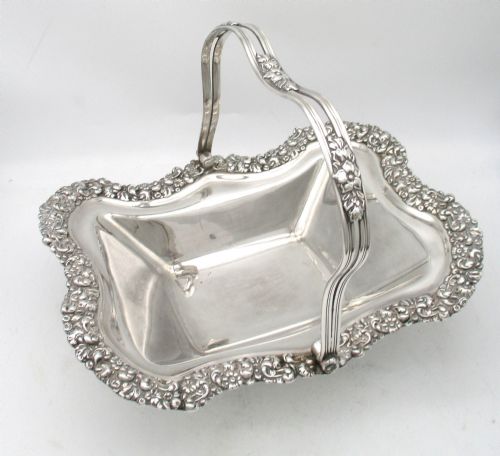
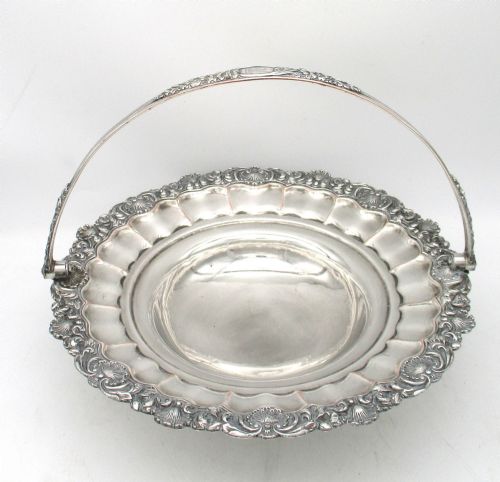


Georgian Sheffield Plate Dish
A georgian sheffield plate dish brings fused copper and silver warmth to the table, offering the substantial weight and grace of early diningware.
Georgian Sheffield Plate Dish
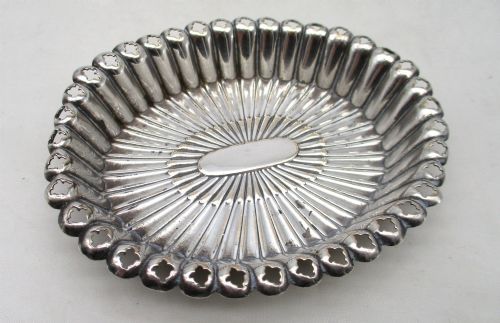
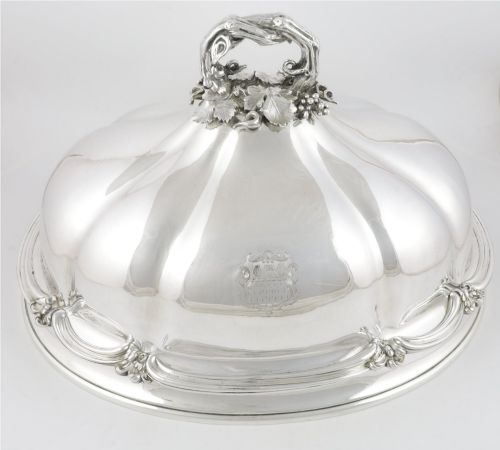
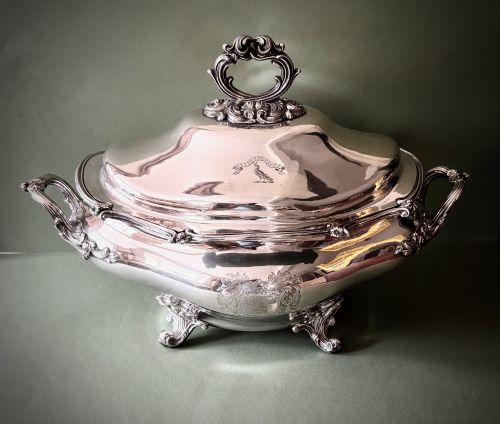
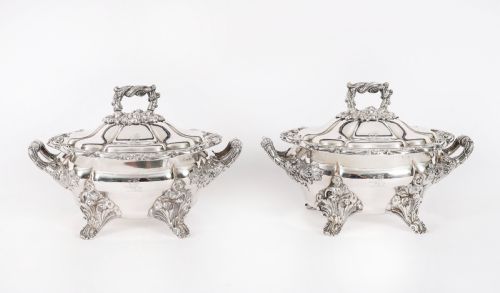
When you search for a georgian sheffield plate dish, you encounter substantial serving items created for formal dining tables across the eighteenth and nineteenth centuries. These pieces encompass meat domes, sauce tureens, baskets, knife trays, and serving dishes forged from fused metals.
You are most likely to meet nineteenth century examples alongside pieces bearing Georgian, Regency, and William IV styling. The selection ranges from delicate pin trays and wirework baskets to massive warming dishes and lidded tureens stamped with family crests.
How they were made
Makers fused a thin sheet of silver to a thicker copper ingot through heat and pressure before rolling the combined metal into sheets. This fused sheet was then shaped into tableware, sometimes incorporating a gold wash for interior highlights.
Edges often received applied sterling silver borders, known as silver mountings, to conceal the exposed copper seams at the cutting lines. Craftsmen also integrated wooden elements into certain handles and stands.
Several heavy meat domes carry the specific crests of dukes, letting you serve dinner with the quiet backing of the British peerage.
What varies in quality
The degree of copper telegraphing beneath the silver surface distinguishes standard utility items from masterwork creations. Thicker initial silver fusion layers allowed for deeper chasing and engraving without exposing the base metal too quickly.
Design complexity and maker reputation separate ordinary items from those bearing crisp crests, substantial cast handles, and applied silver borders. Pieces attributed to recorded workshops display superior balance and structural integrity in their feet and mountings.
Roberts Cadman·Henry Wilkinson·Creswick·Matthew Boulton·Walker Knowles
The Georgian Sheffield Plate Dish Glossary
- Old Sheffield Plate
- A composite material made by fusing silver to a copper core. This technique predates electroplating and creates a warm, deep lustre.
- Mazarine
- A pierced draining plate inserted into a larger dish to keep food clear of accumulated juices. These feature regular patterns of pierced slots or holes.
- Meat Dome
- A large domed cover used to keep joints of meat warm on the dining table. They frequently feature cast handles and armorial crests.
- Standish
- A portable desk stand or inkstand fitted with inkwells and sanders. These were used for writing correspondence in the library or parlour.
Georgian Sheffield Plate Dish: Frequently Asked Questions
How do I clean old sheffield plate?
Clean these pieces gently using non-abrasive silver cream and a soft cloth to preserve the thin silver layer over the copper. Avoid aggressive dipping solutions that can strip remaining surface finishes.
Regular dusting and minimal polishing maintain the subdued lustre characteristic of fused plate without wearing down the raised edges and crests.
Can I use these dishes for food?
Most buyers display these pieces as decorative tableware rather than for daily dining service. The underlying copper may show through where years of use have worn the outer silver layer.
Modern presentation of dry foods or fruit works well for baskets and trays, while lidded tureens serve primarily as decorative focal points.
How can I spot the copper core?
Examine the edges, rims, and high points where regular handling or polishing has caused the thin silver layer to thin out. A rosy or yellowish tint beneath the silver indicates the copper base.
Applied silver wire borders were often soldered onto raw edges specifically to hide this copper line from view.
What is a wirework basket?
Wirework baskets consist of interwoven strands of silver-plated wire soldered together to form open, airy vessels. They date predominantly to the late eighteenth and early nineteenth centuries.
Maker's workshops used this technique for sweetmeat and fruit baskets, creating lightweight structures with remarkable geometric strength.