


Silver Coin Tray
A silver coin tray brings compact metalwork to a desk or table, offering a neat resting place for small currency and pocket items.
Silver Coin Tray
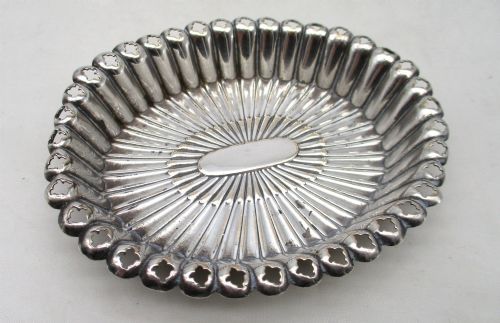
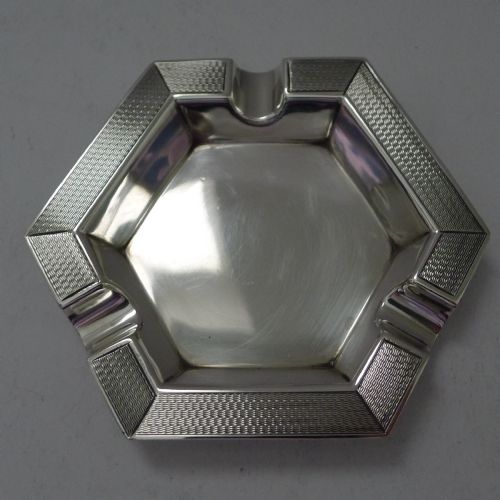
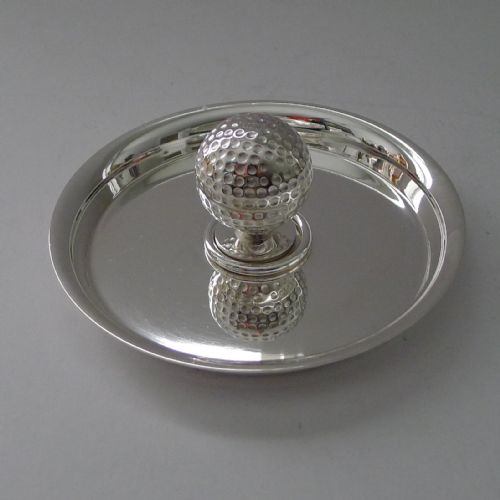
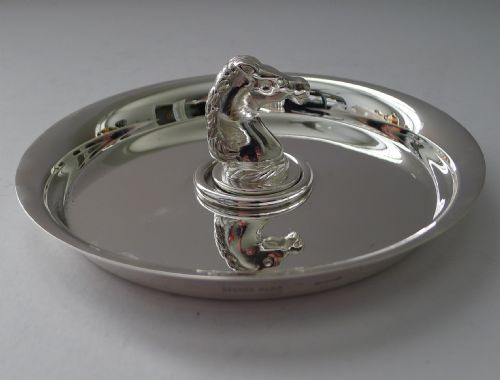
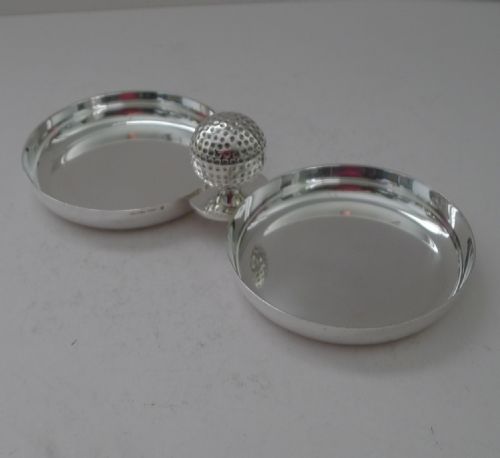
A silver coin tray serves as a small receptacle for holding currency, pocket change, and everyday trinkets on a tabletop. These pieces appear in forms such as pin dishes, ashtrays, card trays, and vide poche items.
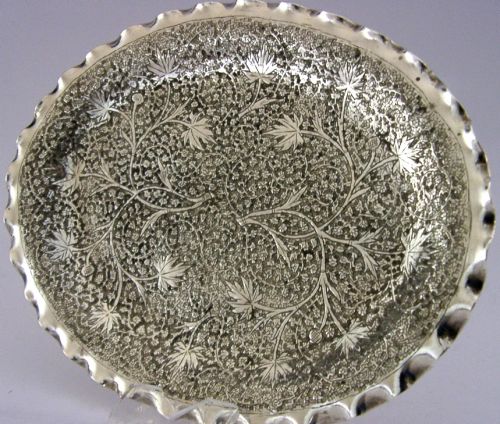
The selections span from the eighteenth century through the Edwardian period, Victorian era, and into the mid-twentieth century. Makers utilise solid sterling silver, silver plate, Old Sheffield plate, copper, and silvered pewter.
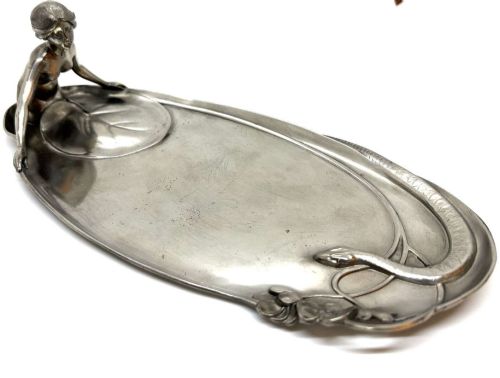
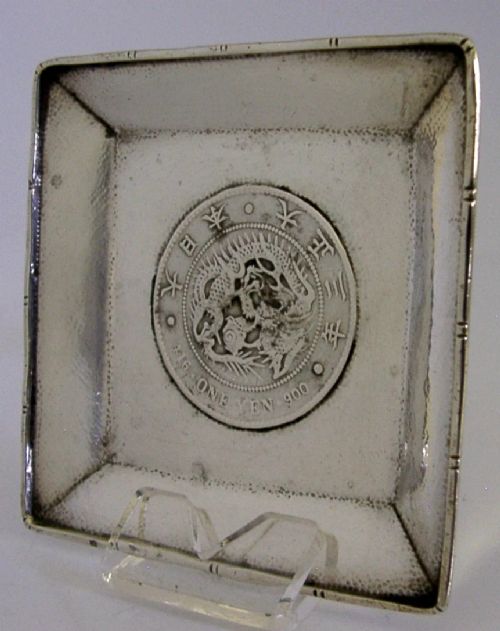
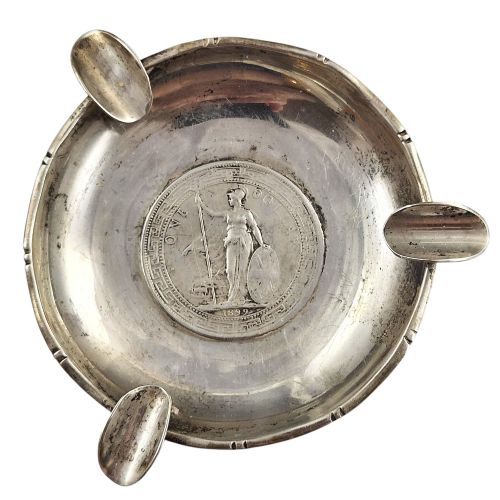
Buyers encounter distinct regional styles including Chinese Export, Anglo-Indian, Art Nouveau, Art Deco, and Mid-Century Modern designs. Many incorporate actual currency, such as Japanese one yen coins or British trade dollars, set directly into the metalwork.
How they were made
Smiths and silversmiths shaped sterling silver, solid silver, and copper through traditional raising, hammering, and casting methods. Plated items combine base metals like Britannia metal or copper with fused silver sheets or electroplated layers.
Designers applied decorative techniques ranging from chased foliage and figural mounts to inset coinage and minimalist mid-century casting. Workshops utilised maker marks and hallmarks to stamp standard purity and origin directly onto the metal surface.
Several trays feature actual nineteenth-century coins embedded in the centre, ready to hold modern pocket change once more.
What varies in quality
The calibre of a piece rests upon the weight of the metal, the crispness of chased or cast details, and the integrity of any applied plating. Heavier gauge solid silver and thick Old Sheffield plate demonstrate superior substance.
Design complexity and maker attribution elevate certain examples, particularly those featuring figural elements or specific regional export motifs. The retention of original surface patination and clear hallmarks distinguishes finer historic specimens from standard utility wares.
William Neale·Hermes Paris·Lee Yee Hing·John Grinsell And Sons·Maria Pergay
The Silver Coin Tray Glossary
- Vide poche
- A small tray or dish intended for emptying pockets of coins, keys, and small accessories. The term translates from French as empty pocket.
- Old Sheffield plate
- A composite material formed by fusing a thin sheet of silver to a thicker copper core. This technique predates modern electroplating.
- Sterling silver
- An alloy consisting of silver and other metals, usually copper, meeting a fixed standard of metal purity. It forms the primary material for many traditional trays.
- Hallmark
- A series of official marks stamped onto precious metal items to show the standard of purity, the maker, and the year of assay. These marks provide a reliable guide to origin.
Silver Coin Tray: Frequently Asked Questions
What is a vide poche?
A vide poche is a small dish designed to hold loose change and pocket items when returning home.
These catchalls sit on hallways tables or desks to keep small items organised.
How do I clean silver coin trays?
Silver coin trays require gentle cleaning with a specialised cloth to preserve the surface metal.
Avoid harsh abrasive dips that strip away natural historic patination.
When were coin trays popular?
These trays date from the eighteenth century through the Edwardian era and mid-century modern periods.
Different decades introduced distinct artistic styles like Art Nouveau, Art Deco, and export designs.