
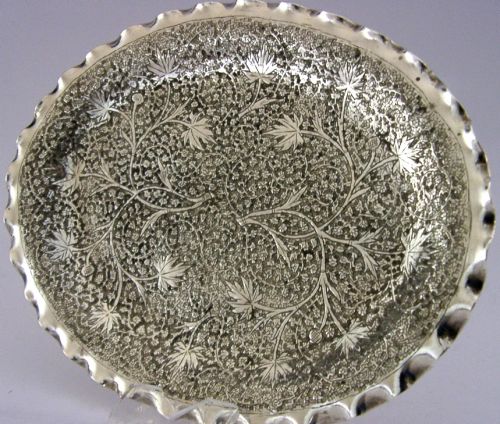
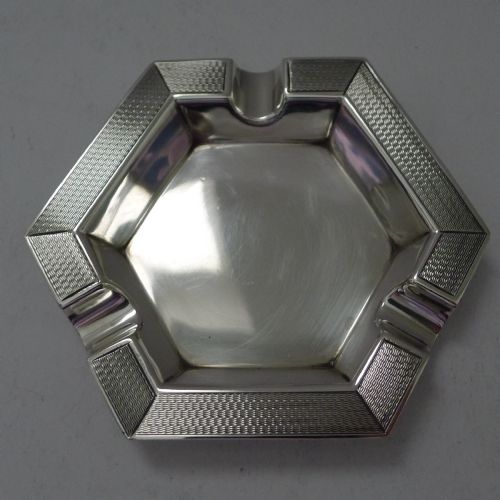
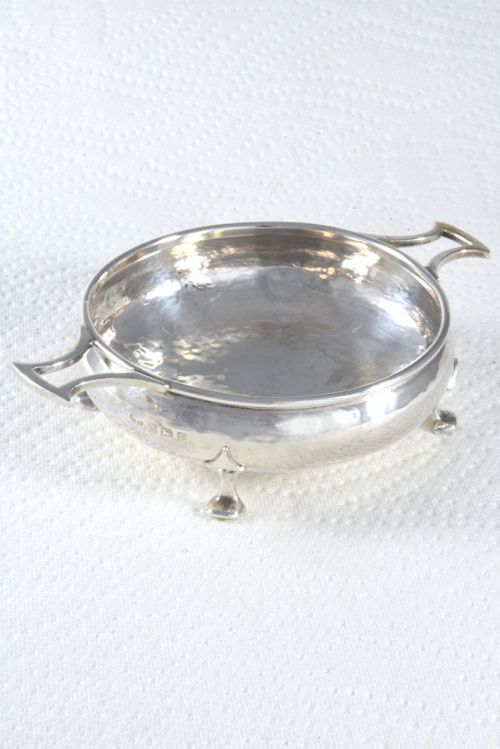
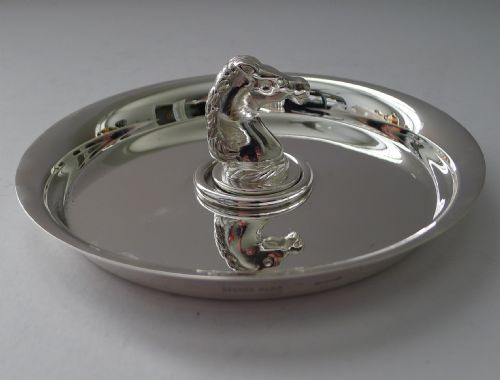
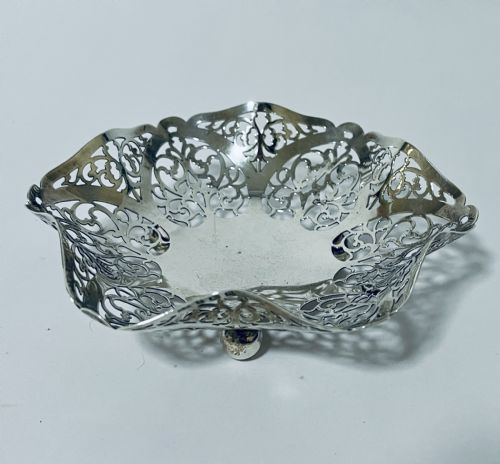


Vintage Silver Pin Tray
A vintage silver pin tray sits neatly on a dressing table or desk, offering a small, shallow resting place for loose change, pins and daily pocket items.
Vintage Silver Pin Tray
A vintage silver pin tray encompasses small dishes, trinket dishes and vide poche pieces designed for daily use. These small containers appear across Victorian, Edwardian and mid-century periods, reflecting changing domestic habits from the nineteenth century onward.
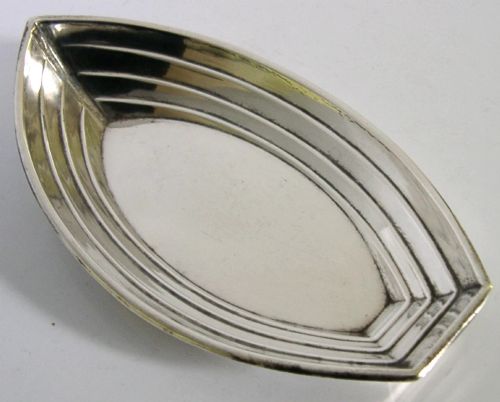
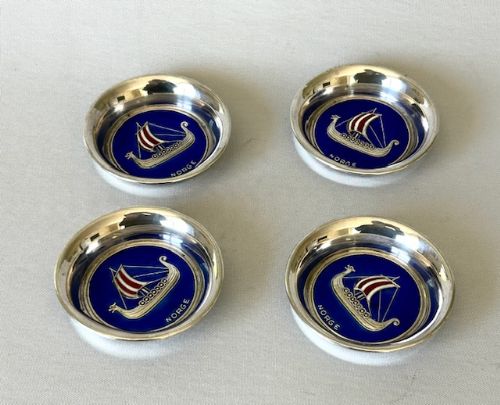
The selections on this page range from plain sterling silver forms to novelty rowing boat dishes and enamel-accented trays. Makers embraced diverse global influences, producing Anglo-Indian, Chinese export and European designs alongside domestic British work.
Most pieces function as small desk accessories or dressing table catch-alls. Buyers encounter simple leaf-shaped dishes, figural card trays and heavier sterling silver pieces intended for prolonged desk use.
Materials and methods
Silversmiths utilised sterling silver, solid silver and silver plate, often shaping the metal through hammering, casting or stamping. Britannia metal and pewter also served as base materials, particularly in continental European workshops.
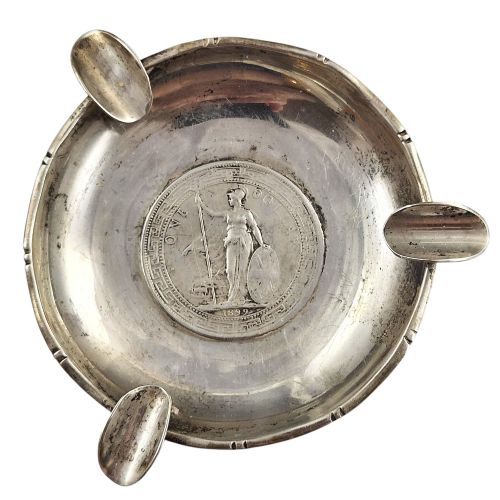
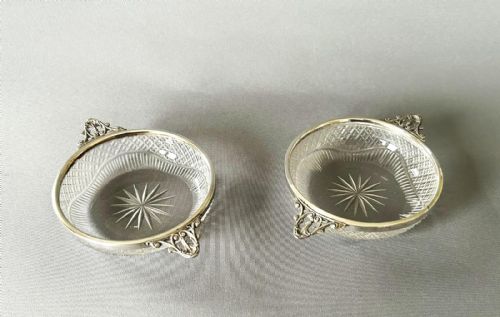
Enamel work, guilloche patterns and cut glass added decorative contrast to plain metal surfaces. Makers incorporated coins, such as British trade dollars, into the centres of functional dishes.
Listings span the Victorian era through the 1960s, featuring materials from sterling silver and enamel to pewter and cut glass.
Markers of quality
Weight and gauge of metal distinguish heavier bespoke items from lighter pressed wares. Superior pieces display crisp hallmarks, clean joints and purposeful detailing that withstands daily handling.
The clarity of applied enamel, the sharpness of cast novelty forms and the depth of hand-chased decoration indicate the level of craftsmanship involved in production.
William Neale·Hermes Paris·Wallace·Lee Yee Hing·John Grinsell And Sons·WMF·Maria Pergay
The Vintage Silver Pin Tray Glossary
- Vide poche
- A small tray or bowl designed to hold pocket contents upon emptying. This French term translates directly to empty pocket.
- Sterling silver
- An alloy containing a high proportion of pure silver combined with other metals for durability. British pieces typically carry standard hallmarks indicating this composition.
- Guilloche
- A decorative technique where a precise, intricate pattern is mechanically engraved into a metal surface beneath a translucent enamel layer. It frequently appears on coloured enamel accessories.
- Britannia metal
- A tin-based alloy used as a base metal for silver plating or finished items. It provided a bright, pewter-like appearance suitable for decorative domestic objects.
- Hallmark
- An official stamp applied to precious metals indicating purity, origin and maker. These marks help verify the period of manufacture.
Vintage Silver Pin Tray: Frequently Asked Questions
What is a pin tray used for?
These small dishes held pins, buttons and small trinkets on dressing tables or sewing desks. Today they serve similar duties for coins, rings and keys.
Their shallow rims keep items contained without obscuring them from view.
How do I clean a silver tray?
Use a soft cloth and a specialised silver polish designed to remove tarnish gently. Avoid harsh abrasive cleaners that strip thin platings or damage enamel.
Wash the tray in warm soapy water and dry thoroughly after polishing.
Are these trays made of solid silver?
The materials vary between solid sterling silver, silver plate, pewter and Britannia metal. Individual listings state the specific metal composition for each piece.
Marks and hallmarks stamped onto the metal generally confirm whether an item is solid silver.
How can I tell the period?
Stylistic clues such as Art Nouveau curves or Mid-Century Modern minimalism point toward specific decades. Maker's marks and official assay office hallmarks provide exact dating.
Comparing the manufacturing technique and decorative motifs to documented examples clarifies the age.