
Edwardian Silver Table Accessory
When you search for an edwardian silver table accessory, you encounter small dining and dressing table pieces shaped by the aesthetic shifts of the early twentieth century.
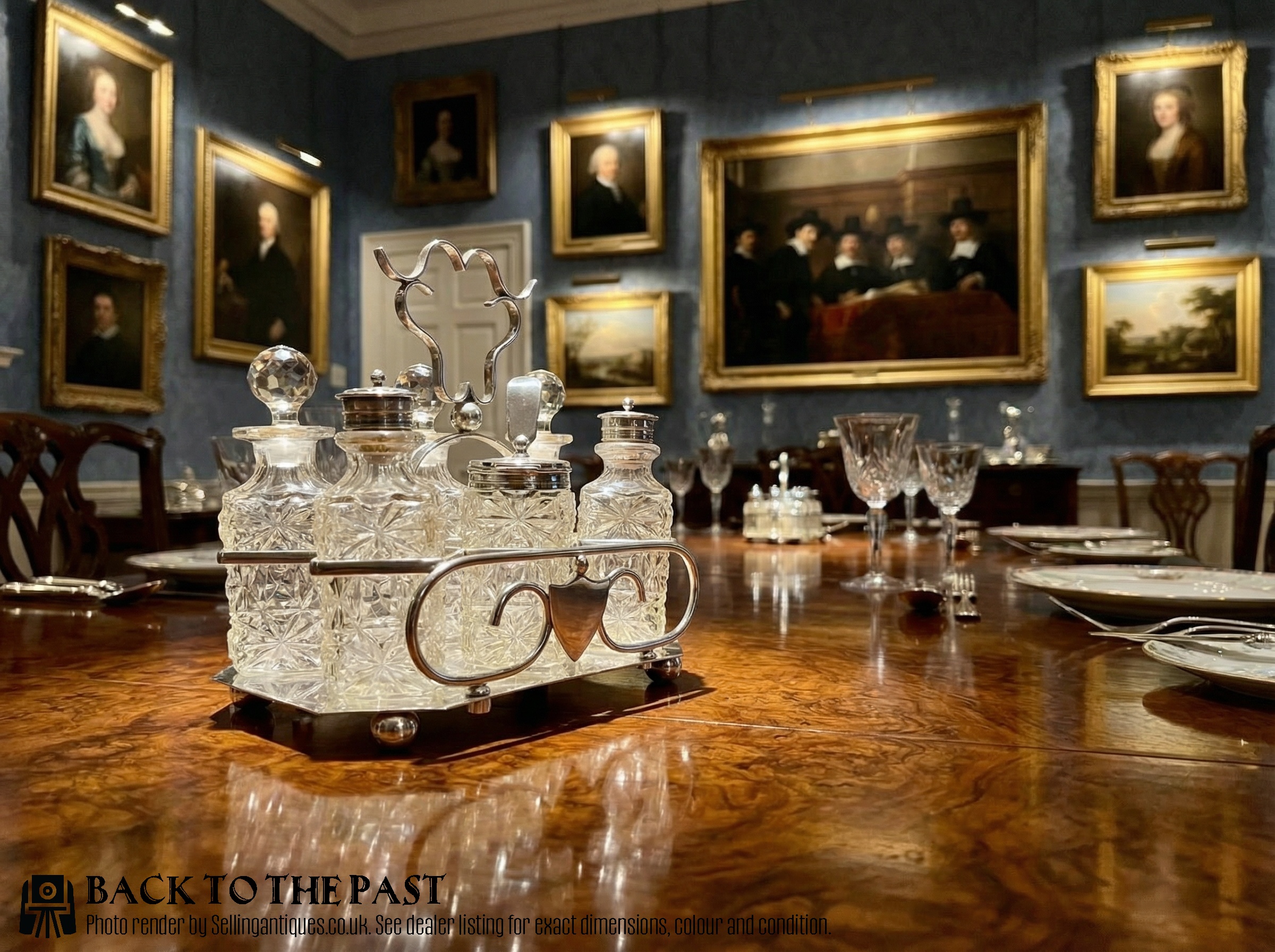
Edwardian Silver Table Accessory
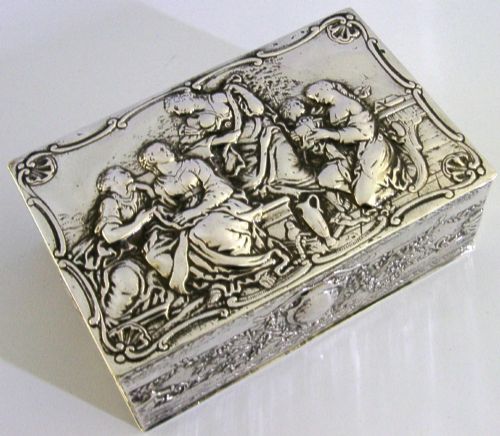
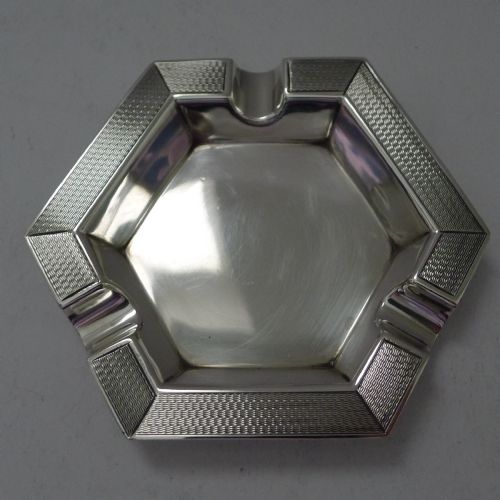
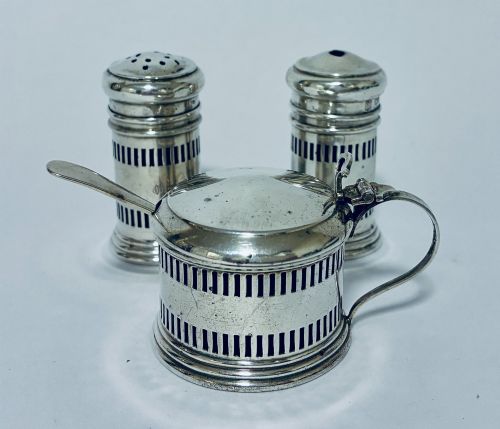
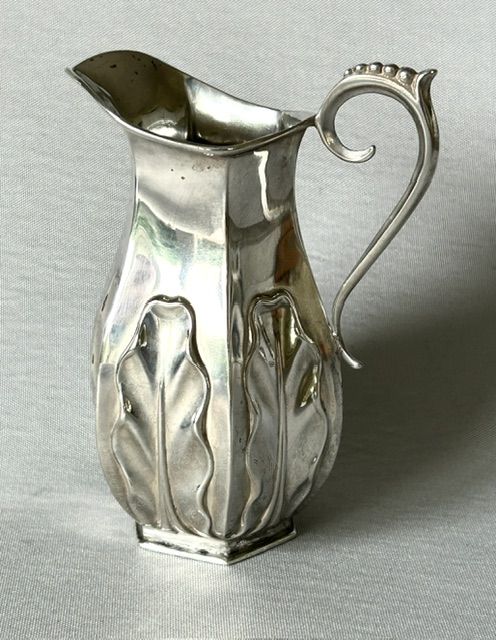
An edwardian silver table accessory encompasses items designed for the dining table, writing desk and dressing table, appearing chiefly in periods spanning the late nineteenth century through to the mid twentieth century. The selection includes functional dining implements alongside decorative items, drawing on Edwardian, Victorian, George V, Art Deco and Art Nouveau styles.
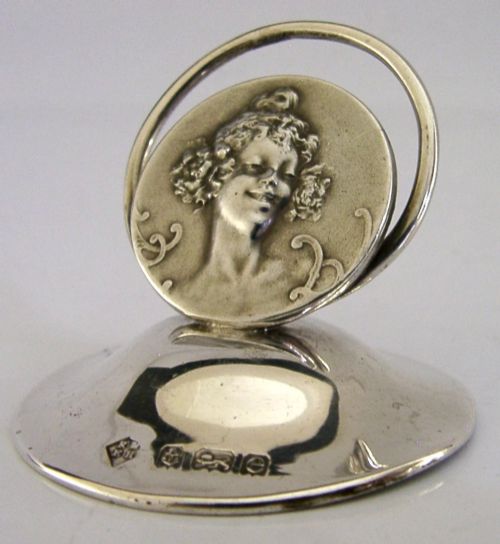
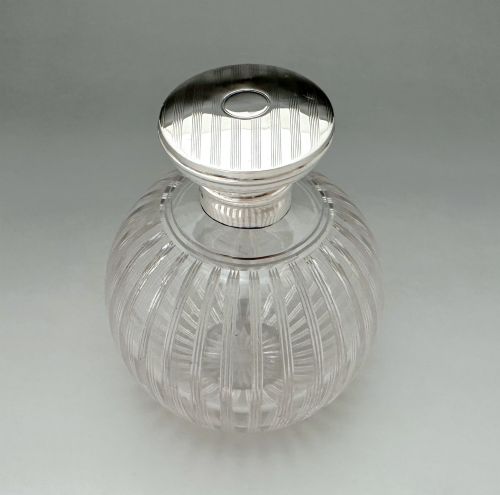
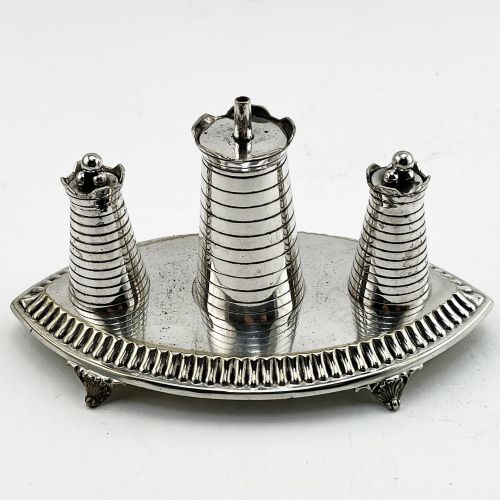
Buyers frequently encounter menu holders, napkin rings, place card holders, table lighters, scent bottles, toast racks, cruet sets and wine coasters. These objects utilise materials such as sterling silver, silver plate, glass, leather, velvet and silk.
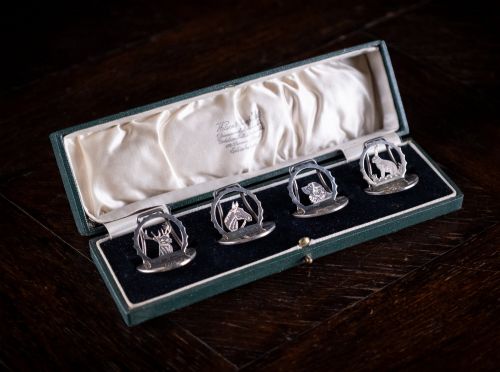
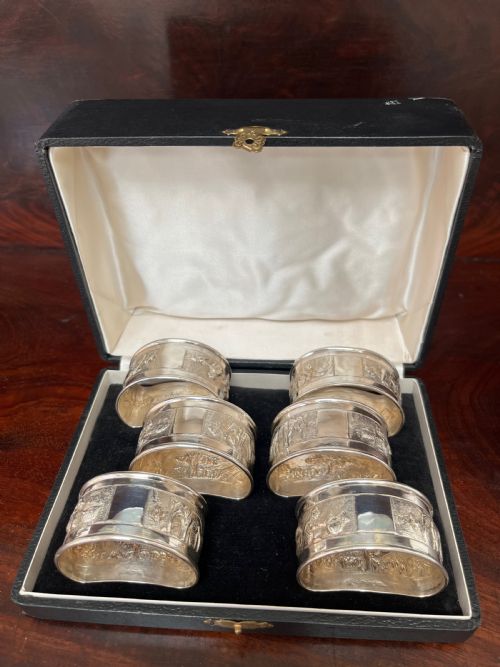
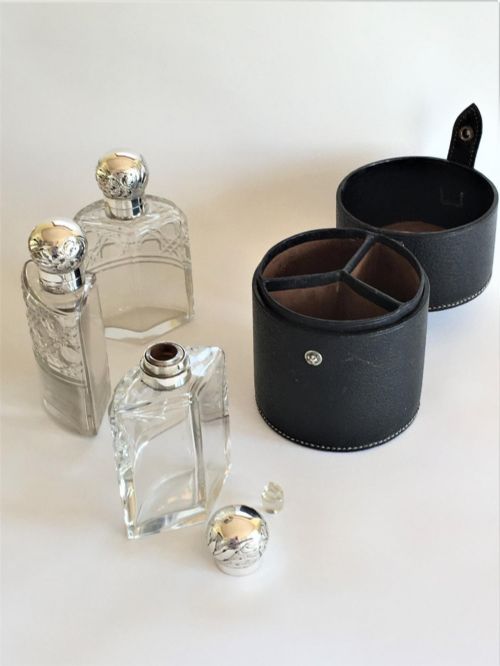
The assortment reflects domestic habits of the period, ranging from cased napkin rings to figural animal menu holders and travelling cologne bottle trios. Pieces originate from various English assay offices and international workshops.
How they were made
Makers shaped sterling silver and silver plate through casting, hammering, piercing and embossing, often mounting the metal onto glass vessels, mahogany bases or leatherette cores. Details such as enamel work, tortoise shell inlays and gilt interiors appear alongside silk and velvet linings inside fitted presentation boxes.
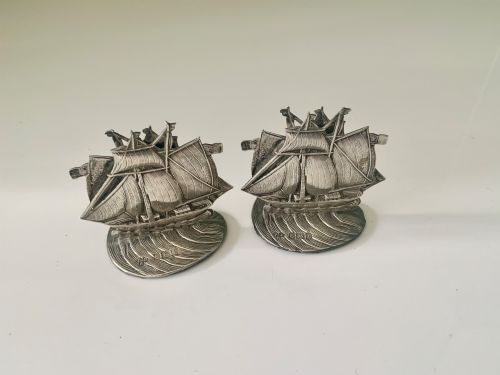
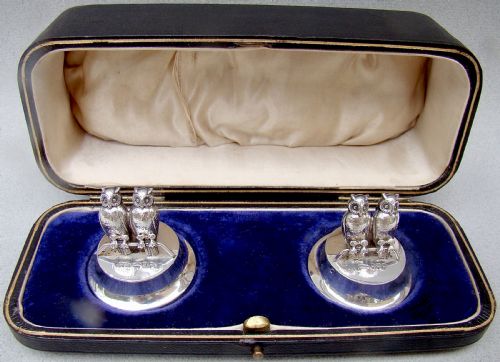
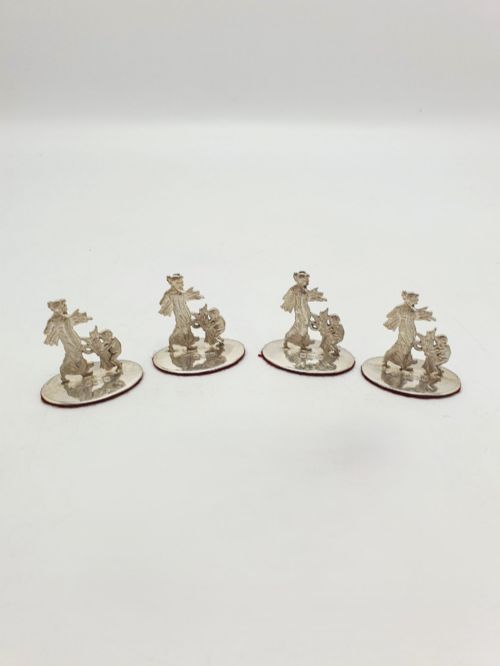
Figural objects, including owls, swans, galleons and monkeys, rely on detailed casting and chasing techniques to define texture and form. Structural elements such as hinges on cigarette boxes, frames for perpetual desk calendars and settings for cut crystal scent bottles demonstrate precise silversmithing.
Edwardian Silver Table Accessory Retail Price Guide 2026
Typical asking prices for edwardian silver table accessory among the pieces listed under this phrase on Sellingantiques today, from the lower quarter to the upper quarter. They describe what is for sale here now, not the wider market.
Dining guests at the turn of the century might consult menus held by solid silver monkeys playing drums, robins, owls or galleons.
What varies in quality
Quality rests upon the crispness of the chasing and casting, particularly on figural items where animal feathers, facial expressions and cast motifs must remain sharp and defined. Weight and gauge of the silver also differentiate standard domestic production from heavier, more substantial examples.
The integrity of secondary materials, such as undamaged cut crystal scent bottle stoppers, intact cobalt glass liners, unblemished enamel and well-preserved silk or velvet linings within original fitted cases, elevates the standing of an item.
William Neale·Levi and Salaman·A. Wilcox·Zimmermann·Sampson Mordan·Charles Boyton·Brook and Son
The Edwardian Silver Table Accessory Glossary
- Menu holder
- A small upright frame or figural stand designed to display dining menus on a table. These pieces often feature animal designs or architectural motifs.
- Cruet set
- A matched group of small condiment containers holding items such as mustard, pepper and salt. They frequently sit together on a small silver stand.
- Toast rack
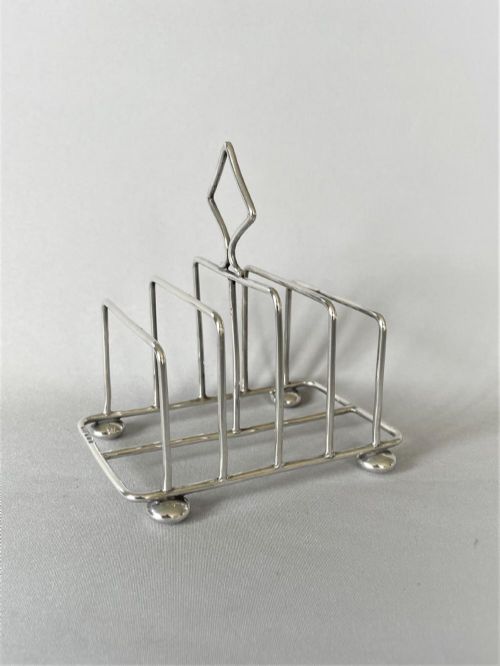
- A metal frame with vertical dividers designed to hold slices of toast upright at the breakfast table. They usually incorporate a central loop handle.
- Cologne bottle
- A glass vessel intended for perfume or cologne, frequently fitted with a decorative silver collar and cap. Some examples survive in multi-bottle travelling trios.
- Napkin ring
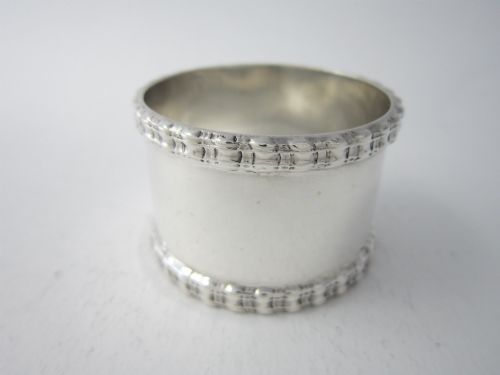
- A personal ring used to identify table napkins between meals. They are commonly found presented in sets within silk-lined boxes.
Edwardian Silver Table Accessory: Frequently Asked Questions
What is an edwardian silver table accessory used for?
These items served practical and decorative functions in formal dining and household administration during the early twentieth century. They assisted with table service, an evening meal's seating arrangements and personal grooming.
Objects ranged from functional napkin rings and cruet sets to decorative menu holders and ring trees. Many were displayed publicly on dining tables or sideboards as part of domestic hospitality.
How do I care for silver table accessories?
Silver requires regular, gentle cleaning with a soft cloth to remove tarnish without abrading chased details or thin plating. Avoid harsh chemical dips, particularly on items with enamel, tortoise shell, glass or fabric linings.
Store pieces away from damp environments and direct sunlight. Items with delicate silk or velvet boxes benefit from being kept dry and handled carefully by their metal components.
How can I tell the period of these pieces?
Makers' marks, town assay office symbols and date letters stamped into the silver provide precise manufacturing years for sterling pieces. British hallmarks are standard indicators found on the body or mounts of the object.
Stylistic cues such as the flowing organic lines of Art Nouveau, the geometric symmetry of Art Deco or the heavy ornamentation of Victorian novelty items also point toward specific decades.
Why do some items come in cased sets?
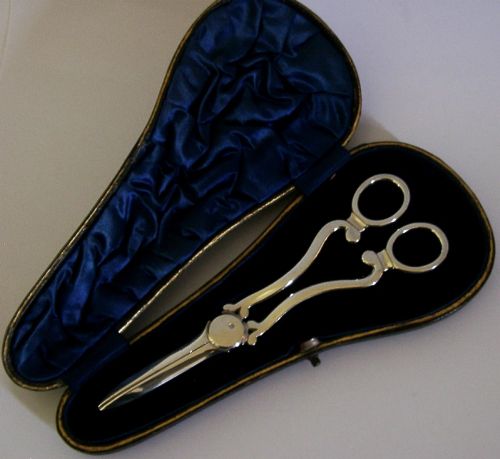
Sets of napkin rings, cruet items or cologne bottles were frequently retailed in fitted boxes lined with silk or velvet for gifting or safe storage. These presentations protected the polished silver from scratches when not in active use.
Original cases often retain maker stamps on the inner satin lid, offering additional context about the retailer who originally sold the goods.