
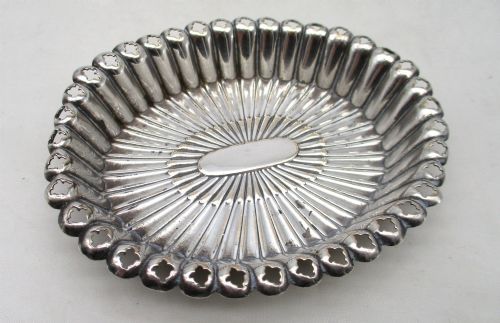
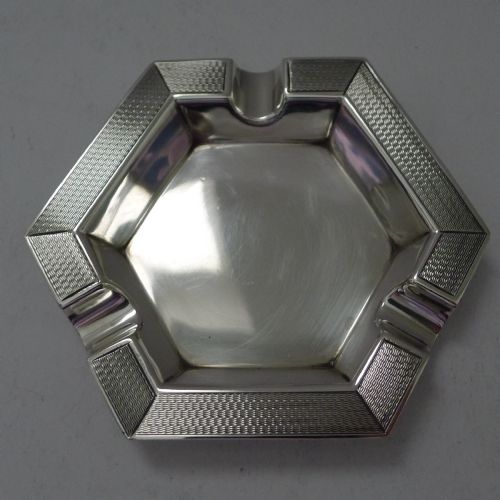
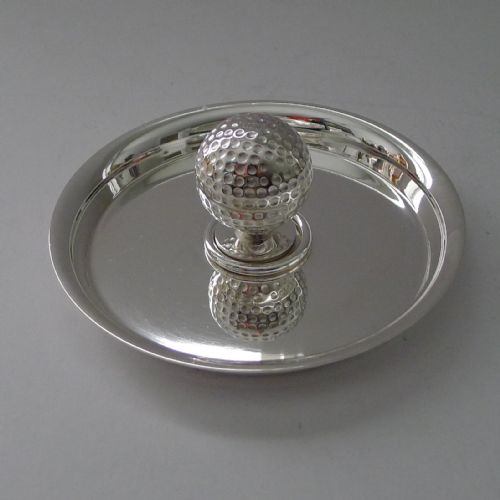
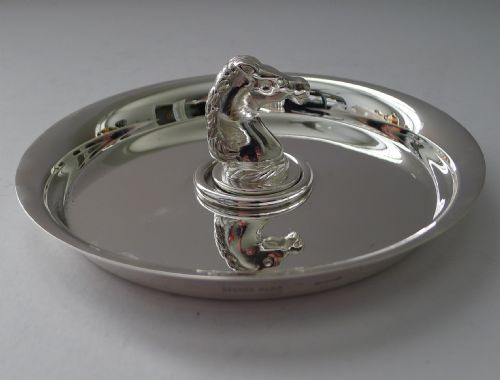


Silver Coin Dish
A silver coin dish sets currency into sterling silver for the desk or table, prized for tactile weight and numismatic focus.
Understanding silver coin dishes
A silver coin dish incorporates minted currency directly into sterling silver vessels used as ashtrays, pin dishes, trinket trays and small coasters. The evidence shows these pieces span periods from the Georgian era through to the mid-century, capturing decades of international trade and royal commemoration.
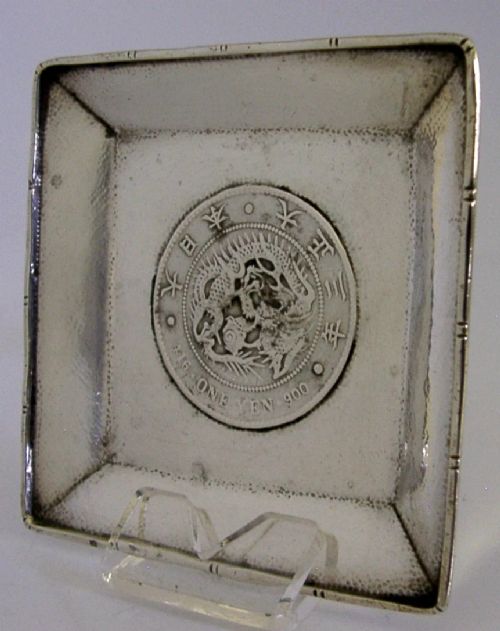
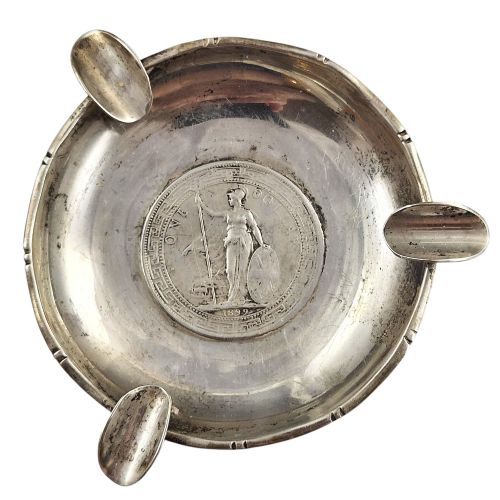
The most common examples encountered on this page are Chinese export items and Edwardian English pieces. Makers set coins such as Japanese Yen, British Trade Dollars and Victorian currency firmly within shaped silver bowls.
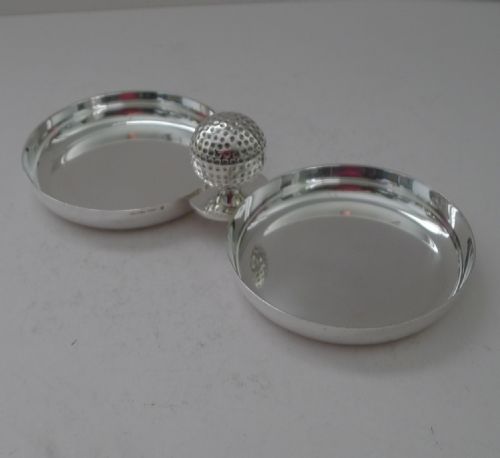
Forms range from simple circular pin dishes to heavier ashtrays and designated coin set trays. Buyers find both domestic English hallmarks and overseas export silver marks across the selection.
Materials and construction
Silversmiths utilise sterling silver and standard silver to form the body of each dish, hammering and shaping the metal around genuine historical coins. The central coin often acts as the base or centrepiece of the small vessel.
Techniques combine traditional silversmithing with coin mounting, securing the currency with bezels, soldering or heavy casting. Many pieces display crisp hallmarks or export stamps that record the exact year of manufacture and the silversmith's workshop.
Retail Price Guide 2026
Typical UK retail prices for silver coin dish, calculated from the Sellingantiques database of over a million retail prices indexed since 2003. This retail price guide relies exclusively on Sellingantiques data; no external sources or auction records are used, so the figures do not describe the wider market.
Some Victorian dishes immortalise the year of Queen Victoria's death in coin form, letting paperwork meet pocket change.
Assessing quality and craftsmanship
Quality rests in the weight of the sterling silver and the clarity of the incorporated coin. Heavier vessels with substantial gram weights stand apart from lighter pin dishes through their physical presence on a surface.
The distinction also lies in the provenance of the coin and the neatness of the mounting work. Clean integration of foreign trade dollars or commemorative royal currency elevates the standard of the finished object.
William Neale·Lee Yee Hing·Wai Kee·Sampson Mordan
The Silver Coin Dish Glossary
- Sterling silver
- A silver alloy containing 92.5 percent pure silver and 7.5 percent other metals, usually copper. This standard ensures durability for everyday small items like pin dishes.
- Chinese export silver
- Items produced in China for Western markets during the nineteenth and twentieth centuries. These pieces often bear artisan stamps alongside pseudo-hallmarks.
- Pin dish
- A small shallow tray designed to hold pins, small trinkets or loose change. They appear frequently in Edwardian and mid-century silver collections.
- Trade dollar
- A large silver coin issued by various nations to facilitate trade in East Asia. Silversmiths frequently repurposed these heavy coins into the centre of export dishes.
- Hallmark
- An official stamp applied to precious metals in Britain to guarantee the purity of the silver. It typically indicates the maker, standard and year of assay.
Frequently Asked Questions
What is a silver coin dish?
A silver coin dish is a small tray or ashtray made from sterling silver that incorporates a real historical coin into its design. These vessels serve practical functions on a desk while displaying numismatic pieces.
Craftsmen fused foreign trade dollars, royal commemorative coins and domestic currency directly into the metal. The resulting objects reflect both the silversmith's art and the monetary history of the period.
How were coin dishes used?
Original owners used these dishes as ashtrays, trinket trays, small coasters and pin dishes for desks and dressing tables. They kept loose change and small daily items contained.
Over time, their decorative qualities took precedence over utility. Collectors today display them as desk accessories or cabinet pieces.
How do I date an antique silver coin dish?
Dating relies on the silver hallmarks stamped into the metal and the date minted on the incorporated coin. English pieces carry assay office marks that pinpoint the exact year of creation.
Export pieces from workshops abroad often display artisan marks or character stamps. Comparing the style of the tray to known periods helps confirm the timeline.
What silver standard is used?
Most pieces utilise sterling silver, which contains 92.5 percent pure silver. British examples feature standard lion passant hallmarks denoting this grade.
Export pieces from Chinese workshops generally adhere to sterling standards as well, catering to Western buyers who expected high purity in their silver goods.