

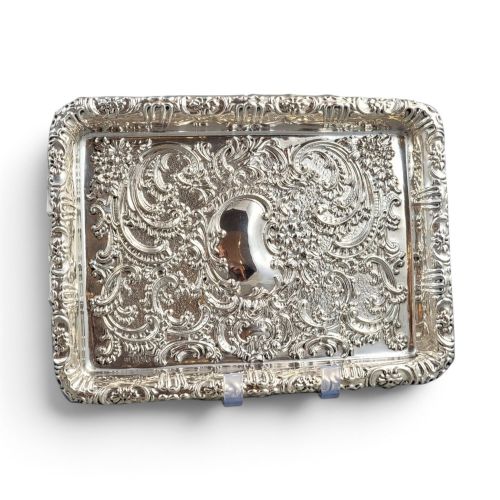
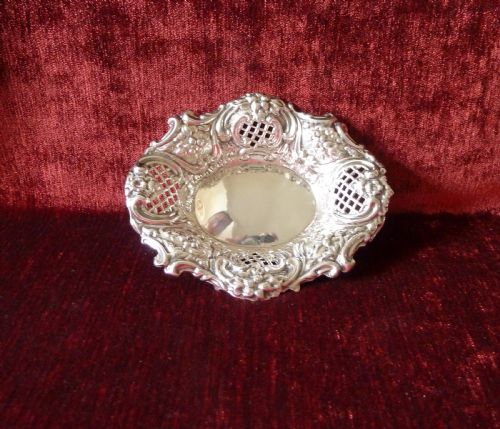


Edwardian Sterling Silver Tray
When you handle an edwardian sterling silver tray, you hold solid metal shaped for dressing tables and tea services.
Edwardian Sterling Silver Tray
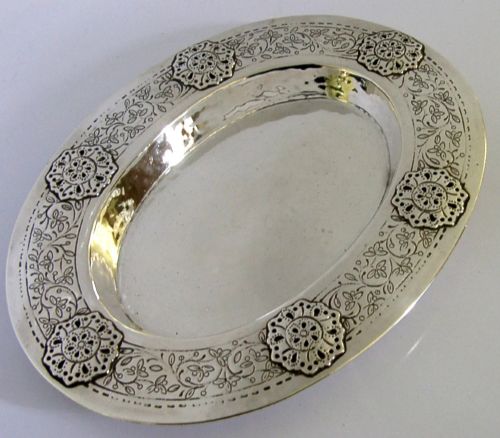
An edwardian sterling silver tray encompasses a wide variety of domestic metalwork designed for daily service, dressing tables and desk organisation. You will encounter small pin dishes, card trays, elongated dressing table trays, and large oval or circular salvers intended for formal presentation.
The pieces appearing most frequently on this page span the Edwardian decade alongside late Victorian examples and occasional items stretching into the George V and Art Deco periods. Makers utilised sterling silver frequently, occasionally combining the metal with cut glass bottles, oak bases, velvet or mother of pearl.
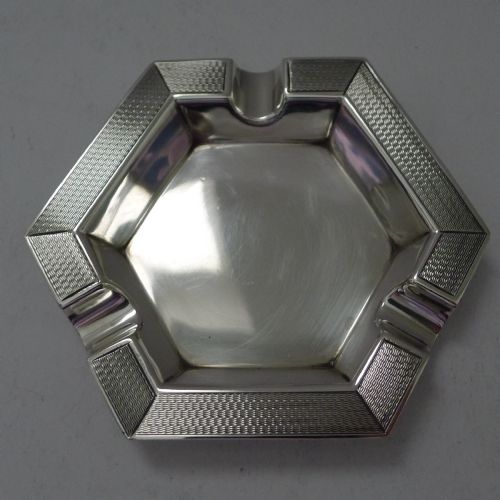
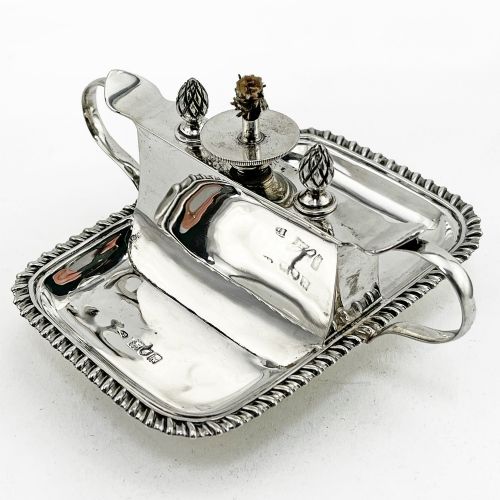
Beyond standard serving pieces, the inventory includes specialised desk accessories, inkstands, crumb scoops, and smoking paraphernalia such as cigar lighters and ashtrays. These diverse forms reflect the structured social rituals of the early twentieth century household.
How they were made
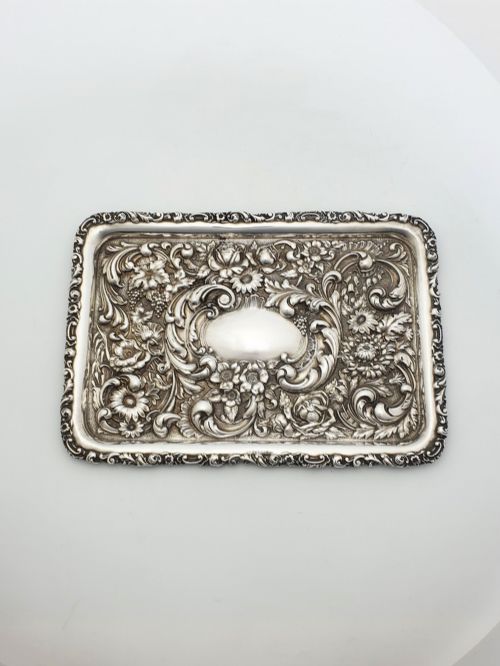
Silversmiths shaped these trays using sterling silver, working sheet metal through hammering, spinning, and stamping techniques to achieve rigid forms and raised borders. Decorative surfaces often display intricate repoussé and chased work, featuring floral motifs, cherubs, and classical scenes pushed out from the reverse and detailed from the front.
Many items incorporate mixed media, pairing heavy sterling silver mounts with cut glass inkwells, oak timber trays, or satin and velvet linings found inside fitted presentation cases. Structural integrity relied on secure soldering of rims, handles, and small bracket feet to support the weight of the silver.
What varies in quality
The distinction between standard domestic silver and superior pieces rests upon the depth and clarity of the chased ornamentation. Deeply worked repoussé featuring crisp botanical motifs or figurative scenes indicates higher workshop skill than shallow, machine-pressed alternatives.
Weight and gauge of the sterling silver dictate durability and tactile presence, separating flimsy pressed sheets from substantial, rigid salvers. Clear, complete hallmarks stamped into the metal provide evidence of maker prestige and assay office origin.
William Neale·Liberty And Co·Robert Pringle And Sons·Harrison Bros·John Grinsell And Sons·William Comyns·Walker And Hall·Mappin And Webb
The Edwardian Sterling Silver Tray Glossary
- Repoussé
- A metalworking technique where the silversmith hammers and pushes the design from the reverse side to create raised ornamentation on the front. This method defines the decorative surface of many floral dressing trays.
- Salver
- A formal flat tray, typically with a raised edge or supported on small feet, used for serving drinks or presenting cards. These metal plates range from modest circular dishes to large ceremonial platters.
- Hallmark
- An official stamp applied to precious metals indicating the standard of purity, the assay office, and the date letter. Fully hallmarked items provide verifiable chronological data for collectors.
- Chasing
- The complementary metalworking process to repoussé, where tools refine and sink the details on the front face of the silver. This technique sharpens the contours of figures and floral patterns.
- Inkstand
- A desk accessory holding ink bottles, pens, and sanders upon a fitted tray or stand. These composite desk pieces often combine cut glass and sterling silver mountings.
Edwardian Sterling Silver Tray: Frequently Asked Questions
How were dressing table trays used?
Dressing table trays served as designated receptacles for brushes, trinkets, hairpins, and daily jewellery upon a lady's dressing chest.
They kept loose dressing accessories organised while adding reflective metallic brightness to the bedroom furniture.
How can I tell an Edwardian tray from a Victorian one?
Edwardian pieces date from the reign of Edward VII between 1901 and 1910, marked by lighter neoclassical or art nouveau aesthetics, while Victorian items date prior to 1901.
Checking the date letter within the official hallmarks provides the exact year of assay.
How do I care for sterling silver trays?
Regular dusting with a soft cloth prevents surface grime accumulation, while periodic treatment with specialist silver polish maintains the metal lustre.
Avoid abrasive cleaners that wear away thin repoussé details and antique maker marks.