




Silver Menu Holder
These silver menu holders are tactile tabletop accessories from the Edwardian and Art Deco periods, designed to keep dining choices visible.
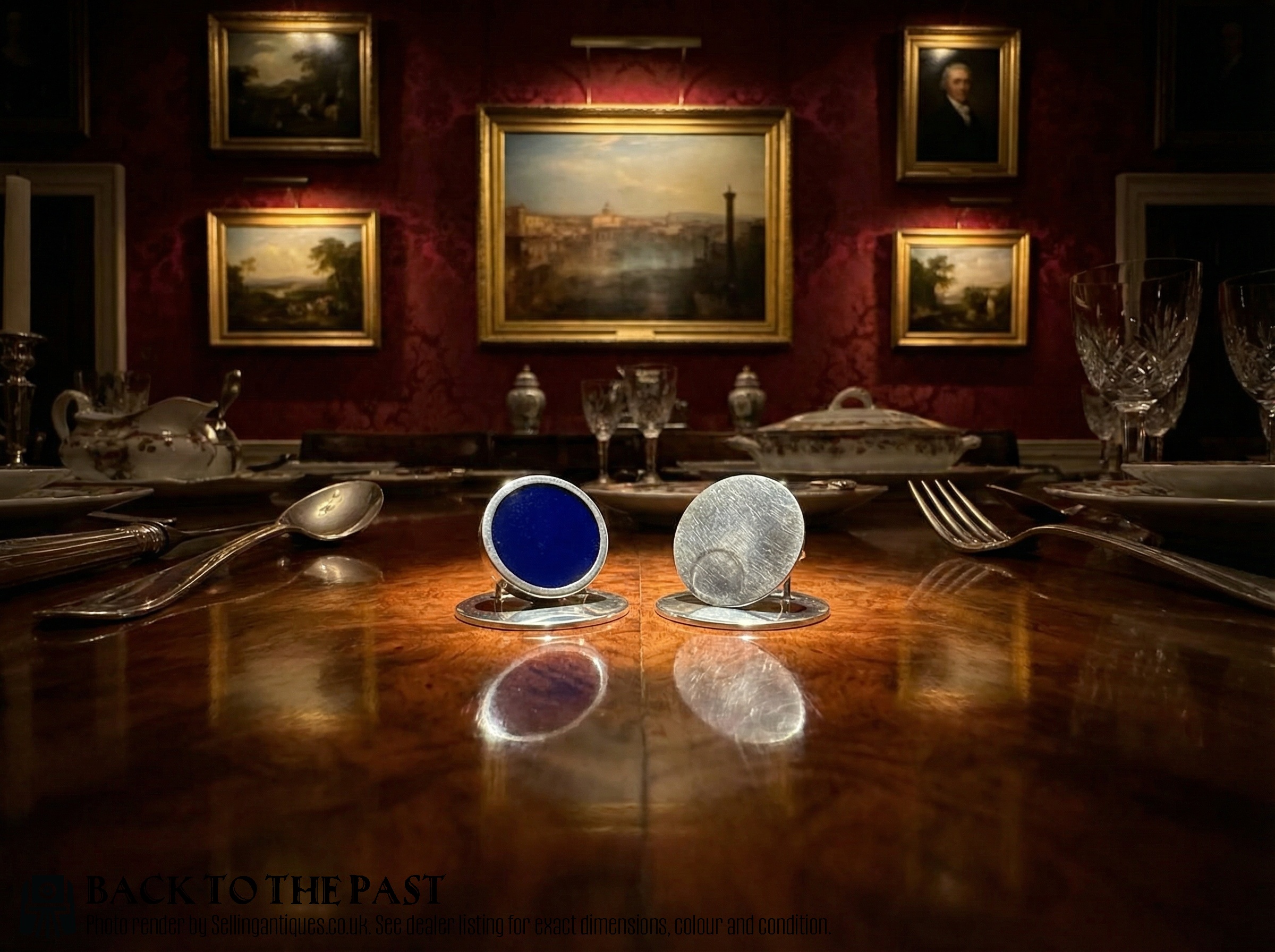
Forms and Origins
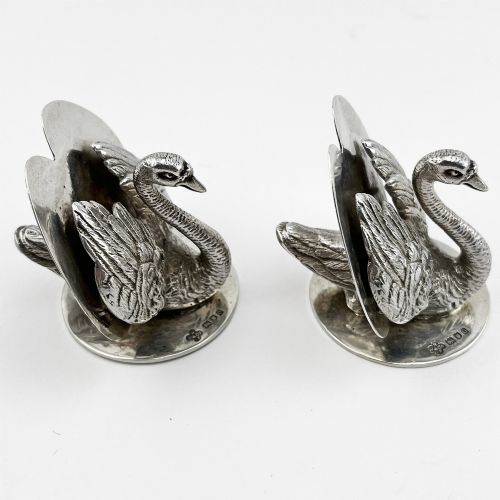
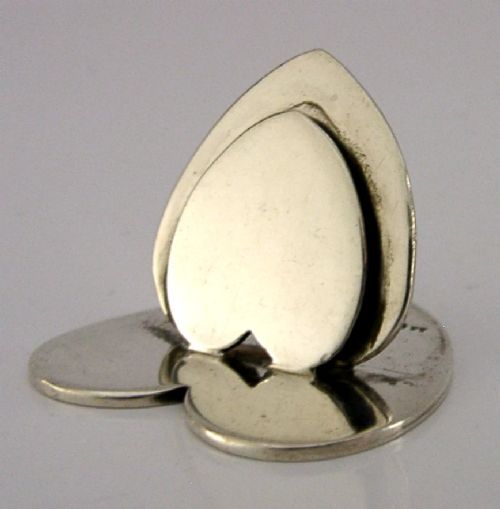
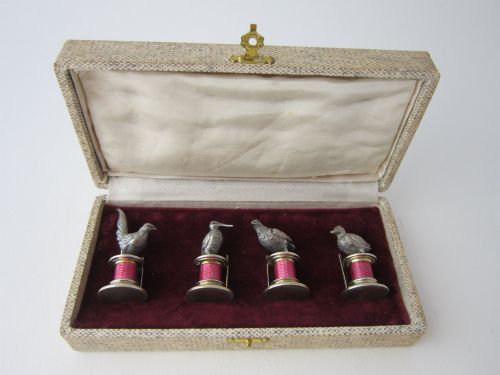
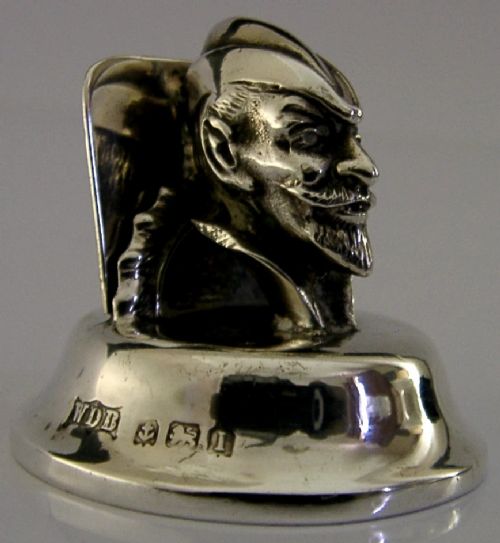
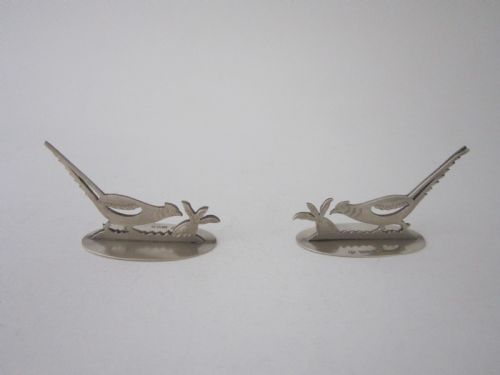
A silver menu holder stands on the dining table to display the evening fare or place cards to guests. The examples seen here range from simple wishbones and horseshoes to elaborate figural subjects, originating primarily through the Edwardian era and into the 1920s and 1930s.
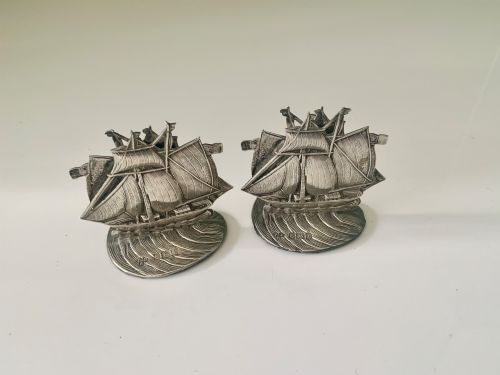
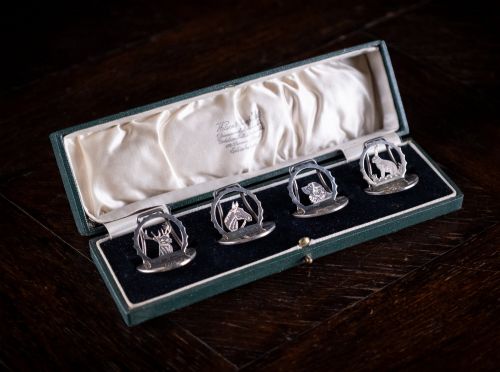
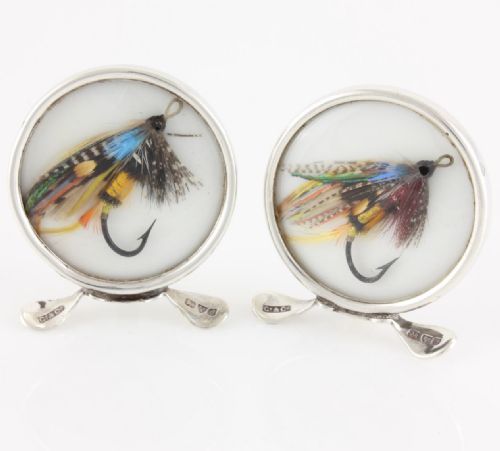
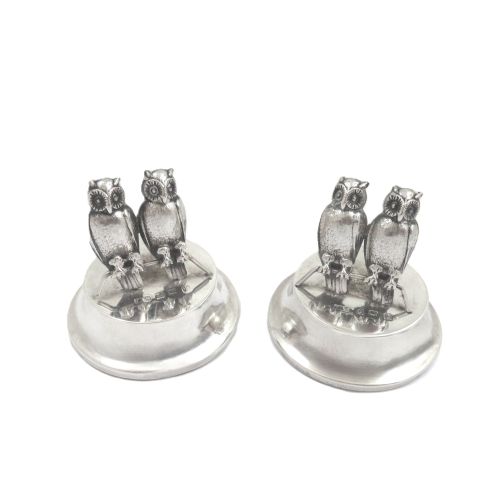
Novelty forms dominate the surviving record, capturing animals, birds, ships and heraldic motifs. Makers frequently produced these items in pairs or matched sets, often tailored for shooting parties, regimental dinners or formal household dining.
The most common pieces encountered on this page date from the Edwardian period, executed in solid sterling silver with weighted bases to maintain stability on the linen.
Materials and Technique
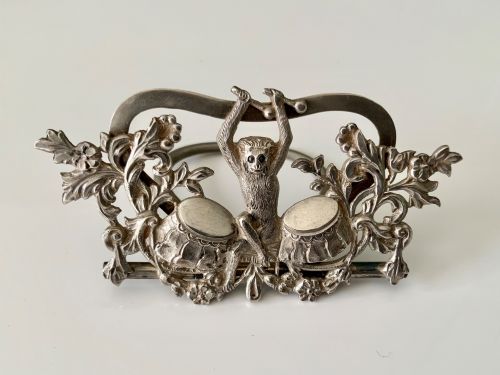
Silversmiths constructed these objects using sterling silver, occasionally incorporating enamel work or gemstone accents for heraldic shields and decorative details. Many figural subjects were produced through casting, allowing for detailed depiction of feathers, fur and nautical rigging.
Makers integrated sturdy clips, slots or weighted frames to secure the card without damaging the paper. Some items received a silver gilt finish to enrich the interior colour and provide contrast against the polished exterior.
Retail Price Guide 2026
Typical UK retail prices for silver menu holder, calculated from the Sellingantiques database of over a million retail prices indexed since 2003. This retail price guide relies exclusively on Sellingantiques data; no external sources or auction records are used, so the figures do not describe the wider market.
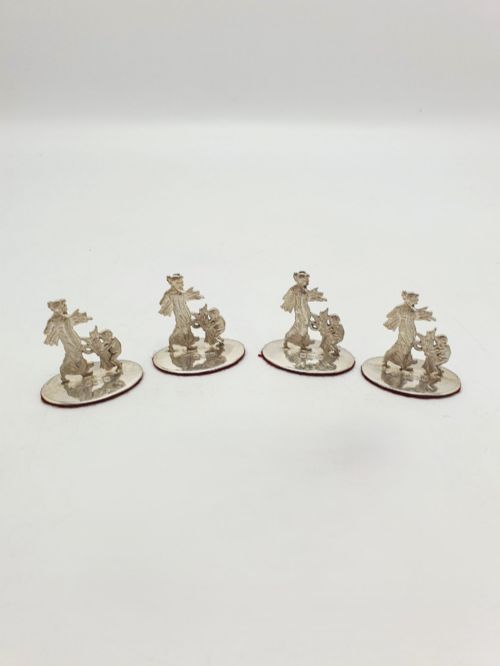
Dinners featured miniature silver monkeys playing drums right beside the roast pheasant.
Craftsmanship and Detail
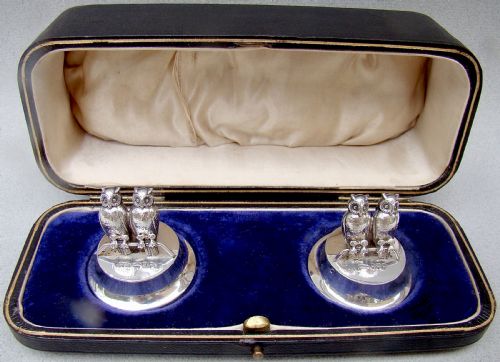
The distinction between ordinary production and superior quality rests upon the crispness of the cast and the sculptural fidelity of the subject. Master makers achieved anatomical precision in animals like owls, foxes and dogs, whereas lesser workshops produced softer, less detailed contours.
Substantial gauge silver and intact structural elements, such as working hinges or secure weighted bases, separate robust dining pieces from those worn thin through cleaning.
Sampson Mordan·George Unite·Horace Woodward and Co·Goldsmiths and Silversmiths·JW Benson·A Wilcox
The Silver Menu Holder Glossary
- Menu Holder
- A tabletop accessory designed to support a printed menu card upright during a meal. They often match place card holders used at formal settings.
- Sterling Silver
- An alloy comprising a high proportion of pure silver combined with other metals to ensure durability. It serves as the primary material for these antique dining accessories.
- Silver Gilt
- Silver that has been coated with a thin layer of gold on its surface. This technique adds warmth and protects the underlying silver from tarnishing.
- Novelty
- An object shaped into an amusing or unusual form, such as an animal, ship or mechanical figure. Novelty silver pieces were immensely popular for dining table decoration.
Frequently Asked Questions
How were silver menu holders used?
Hosts placed them along the dining table to display the courses of a meal or indicate seating arrangements for guests. They formed part of an elaborate tablescape during formal Edwardian and Georgian dinners.
Servants prepared the cards in advance and slid them into the clips or slots provided on each silver mount. The weighted bases ensured the cards remained upright despite the movement around the table.
Are these pieces made of solid silver?
The listings comprise sterling silver items, often marked with standard hallmarks indicating purity and assay office origin. Some examples also feature silver gilt surfaces.
Makers occasionally weighted the interior bases with other materials to ensure stability when holding stiff card stock, a standard manufacturing practice for table accessories.
Why are so many shaped like animals?
Edwardian and interwar dining culture favoured whimsical and conversational table ornaments. Animals, hunting motifs, ships and lucky symbols reflected the personal interests and pursuits of the host.
Shooting parties and regimental dinners frequently commissioned specific animal subjects, such as owls, dogs and game birds, to mark notable gatherings.
How do I care for antique silver menu holders?
Regular dusting with a soft cloth preserves the polished surface without wearing down the fine cast details. Avoid harsh chemical dips that strip away desirable patina from recessed areas.
Store them in a dry environment away from direct sunlight, and if stored in original fitted cases, ensure the fabric lining remains clean and free from moisture.