
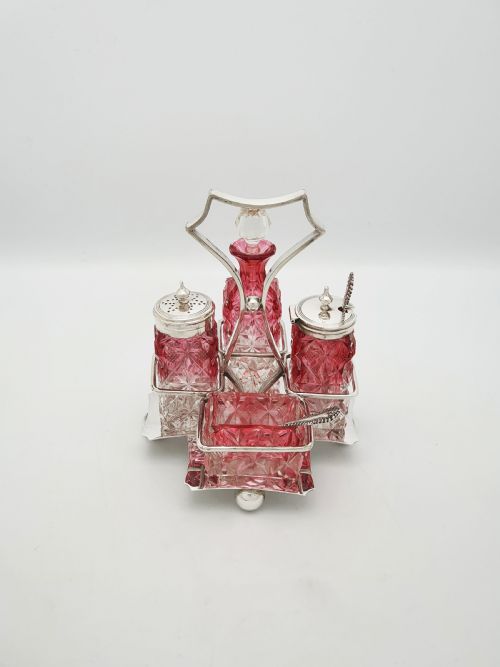


Antique Silver Caster Set
An antique silver caster set brings dining table organisation to life, combining functional salt, pepper and mustard vessels in sterling silver or plate.
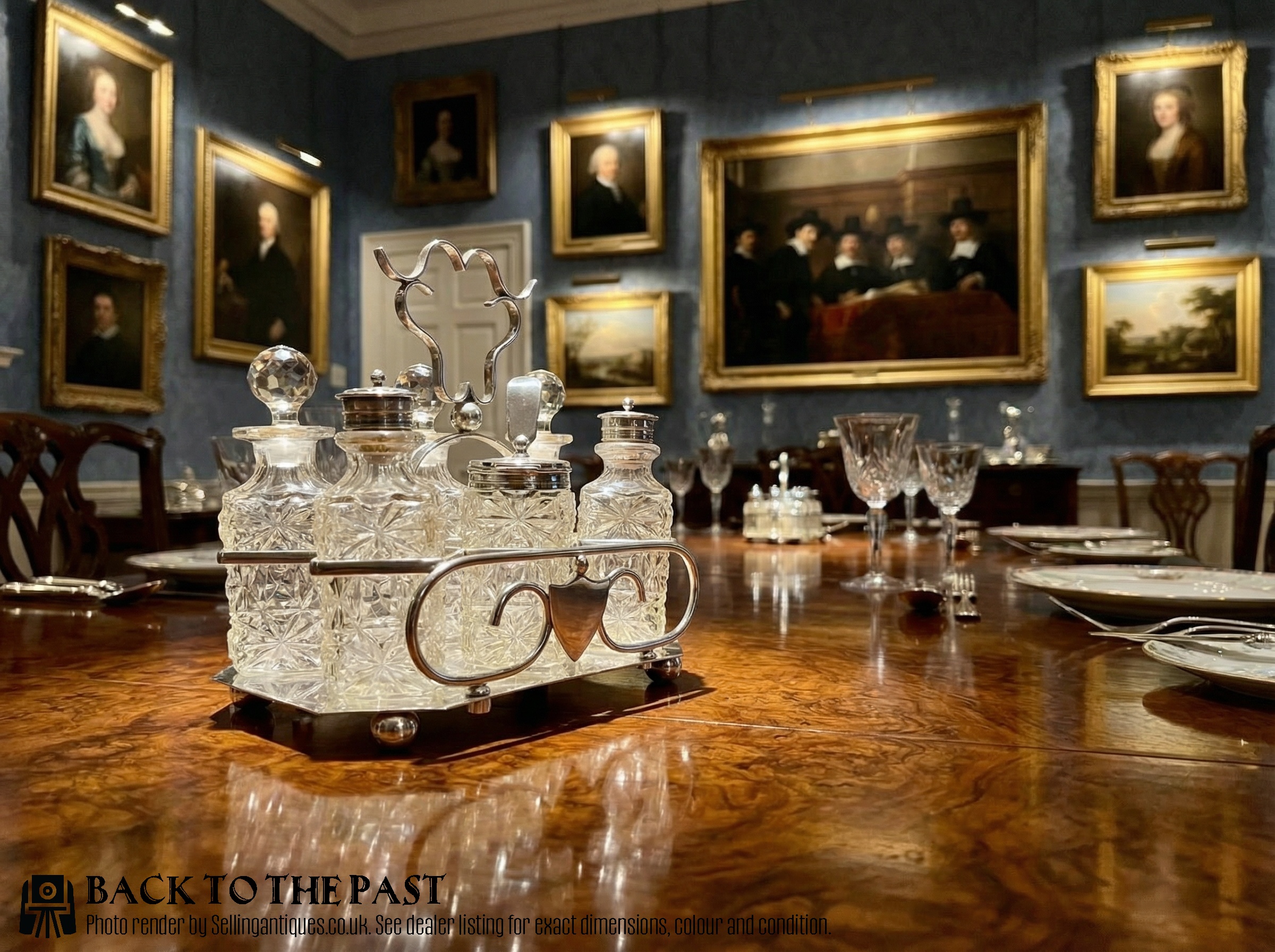
Antique Silver Caster Set
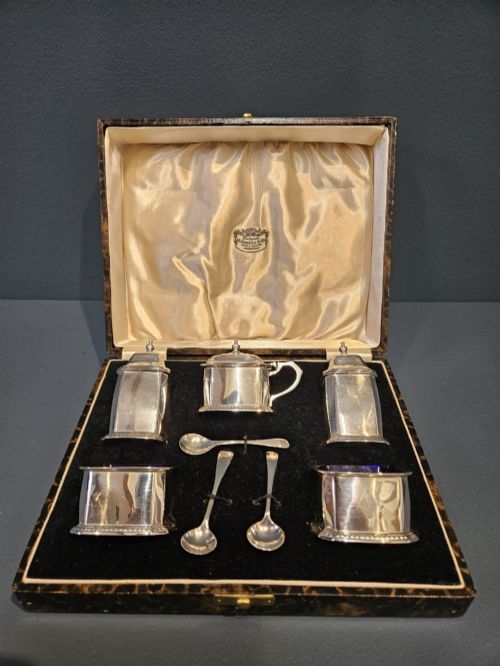
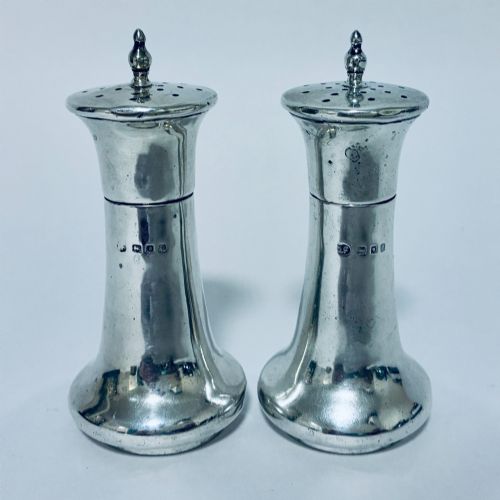
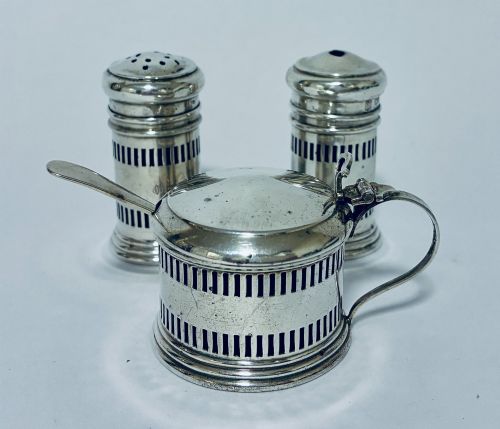
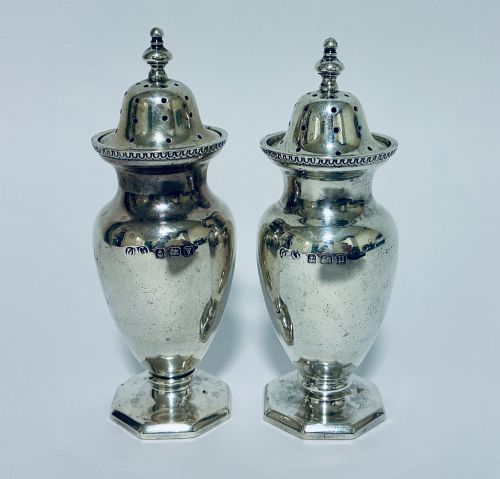
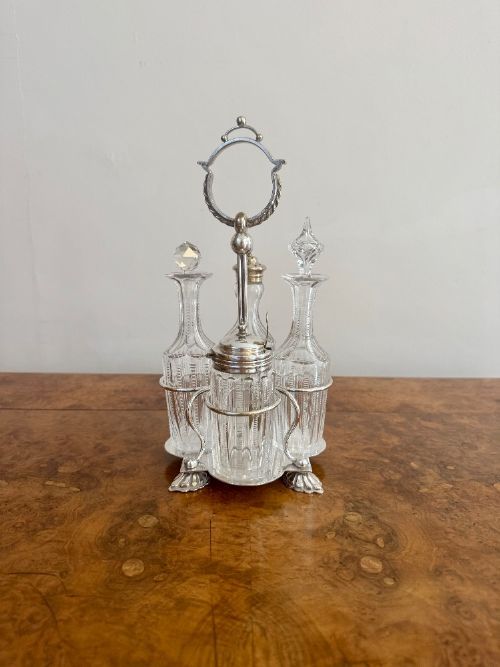
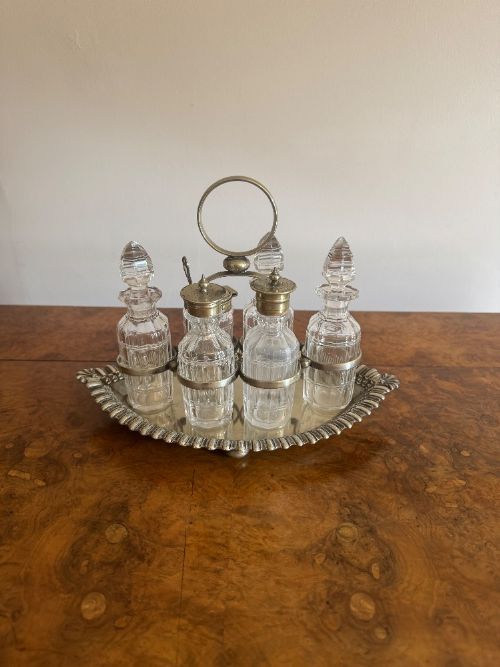
An antique silver caster set comprises matching groupings of cruets, condiment containers, table salts and pepper pots designed for period dining tables. These sets range from modest two-piece pairs to elaborate multi-bottle frames accommodating up to seven or eight distinct vessels.
The selections encountered span the eighteenth century, Georgian and Victorian eras, alongside Edwardian and Art Deco iterations. Buyers frequently discover plated stands housing cut glass bottles alongside solid sterling silver sets.
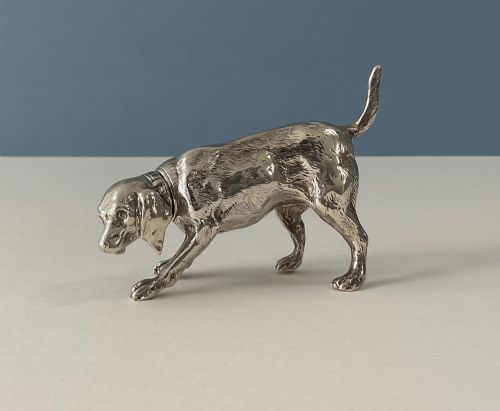
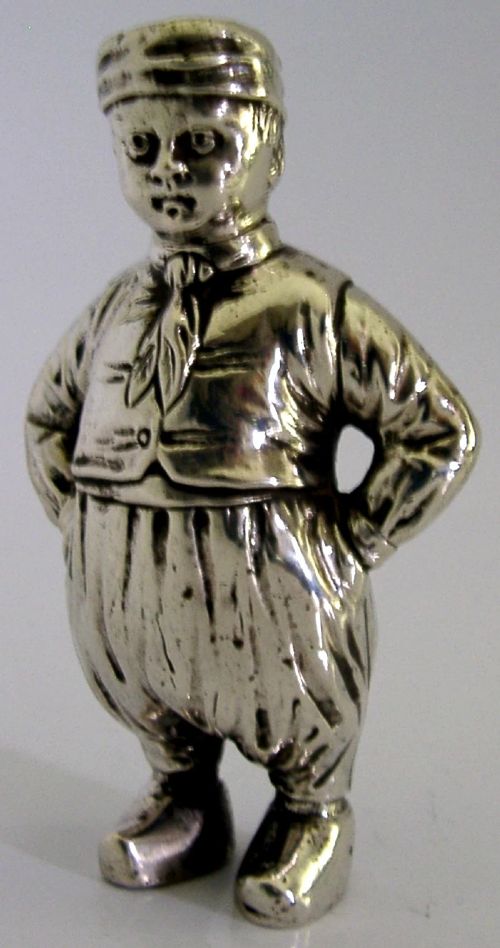
Beyond standard cruet frames, the category embraces novelty animal designs including birds, dogs and farmyard figures. These whimsical condiment holders bring character to the dining arrangement whilst retaining their original function.

Materials and Construction
Silversmiths utilised sterling silver and silver plate over base metals, shaping frames and container mounts through casting, hammering and soldering. Cut glass and cranberry flashed glass bottles provide contrast and weight, fitted with pierced silver tops designed for sprinkling spices.
Many multi-bottle cruet frames incorporate wooden bases or handle assemblies alongside velvet and satin linings within fitted presentation cases. Hallmarks stamped directly onto the silver components record the assay office, date letter and maker.
Evaluating Quality and Craftsmanship
Distinction across the range lies in the crispness of piercing on pepper tops and the structural integrity of the metal frames. Superior examples display substantial weight in the silver components and retain their original matching cut glass bottles without replacement.
Novelty pieces derive their standing from sculptural detail and naturalistic engraving, particularly in animal forms such as owls, chicks and dogs. Complete sets retaining every original bottle and spoon command greater interest than assembled groupings.
Mappin Brothers·Walker & Hall·Charles Thomas Fox·Elkington & Co·Wilmot Manufacturing Co
The Antique Silver Caster Set Glossary
- Cruet set
- A fitted stand holding multiple bottles or pots for condiments, oil, vinegar, salt and pepper. These frames often feature a central carrying ring for table service.
- Caster
- A small container with a perforated top used for sprinkling sugar or dry spices onto food. They form the central component of traditional seasoning collections.
- Condiment set
- A matched grouping of open salts, mustard pots and pepper shakers intended for individual or shared table placement. They frequently sit upon a dedicated silver or plated tray.
- Pepperette
- A small shaker designed specifically for dispensing ground black or white pepper. Victorian makers frequently shaped these containers as novelty figures or birds.
- Silver plate
- A manufacturing method applying a thin layer of sterling silver over a base metal such as copper or Britannia metal. This technique provided an accessible alternative to solid silver during the nineteenth century.
Antique Silver Caster Set: Frequently Asked Questions
What is an antique silver caster set?
An antique silver caster set is a collection of tableware vessels designed to hold seasonings like salt, pepper and mustard. These assemblies typically feature a matching frame or stand holding individual glass bottles and metal shakers.
Such sets date from the eighteenth century through to the Art Deco period, encompassing both solid sterling silver and silver plated items. They served both practical dining needs and decorative table display.
How were cruet sets used historically?
Dining guests utilised these sets to season food at the table before widespread pre-blending became common. Individual bottles held wet condiments like vinegar and oil, whilst pierced casters dispensed dry spices.
Larger multi-bottle frames remained stationed at the centre of the dining table or sideboard for general service. Smaller bachelor sets served intimate dining arrangements or individual guests.
How do I identify the period of a set?
Hallmarks stamped onto the metal components provide the most reliable guide to date and origin, recording assay offices and specific year ciphers. Georgian and Victorian examples display distinct weight and manufacturing traits compared to later Edwardian or Art Deco pieces.
Stylistic indicators such as heavy Victorian casting, Edwardian pierced galleries or geometric Art Deco lines help determine the era of manufacture when hallmarks are worn.
Are replacement bottles common in old sets?
Finding replacement glass bottles in antique sets occurs frequently due to the fragile nature of glassware over centuries of use. Original sets retaining matching cut glass or cranberry flashed bottles are particularly valued by collectors.
Examining the fit of the bottles within the silver frame helps determine whether the glass components belong to the original manufacture.