


.JPG)
British Silver Collectables
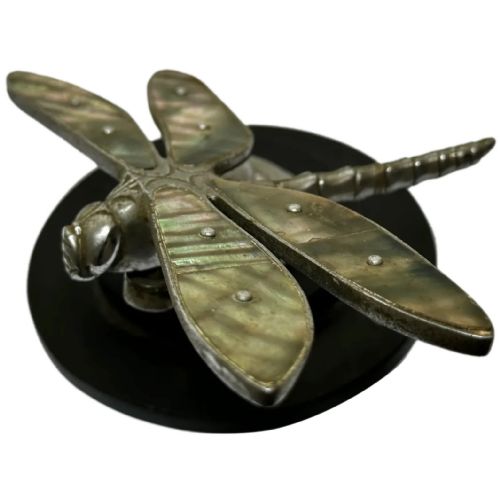
British silver collectables bring together centuries of metalwork, from George I spoons to Art Deco car mascots and Mid-Century table lighters.
British Silver Collectables
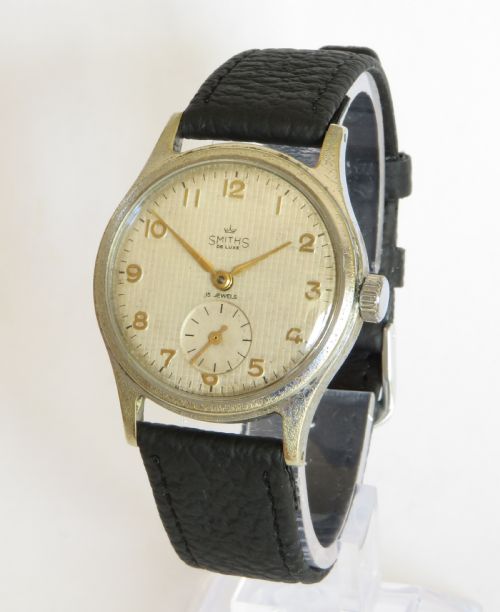
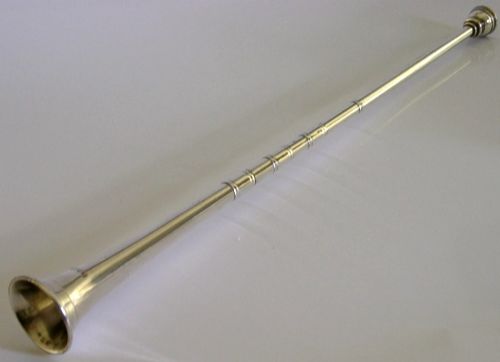
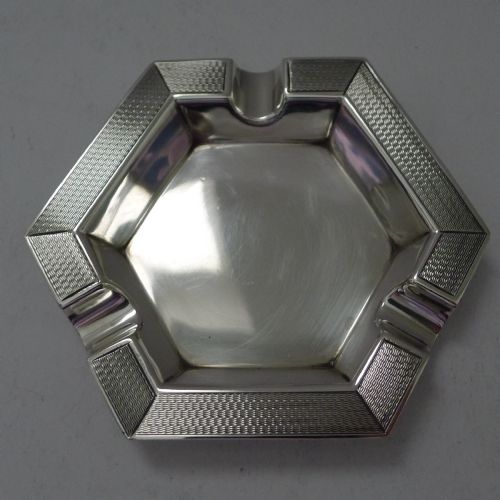
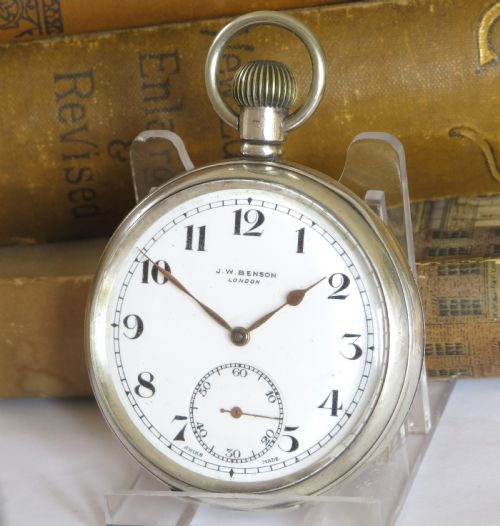
When searching for british silver collectables, buyers encounter a diverse range of functional objects spanning the 18th century, Georgian, Edwardian, and Art Deco periods. The selection on this page includes sterling silver hunting horns, ashtrays, pocket watches, medicine spoons, and table lighters.
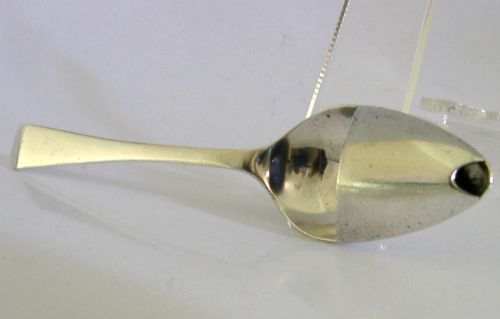
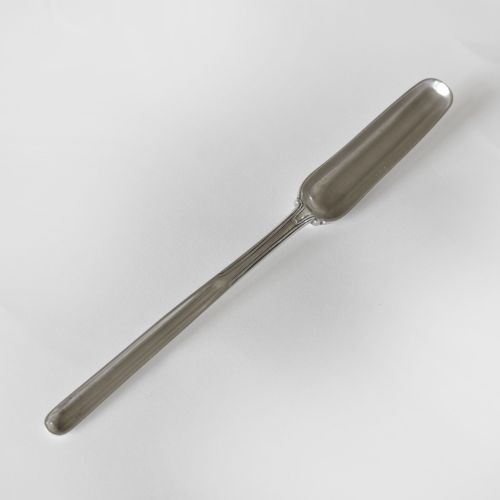
Early items feature George I and Queen Anne dognose spoons alongside 19th-century marrow scoops and vinaigrettes by known makers. Later examples extend into mid-century military watches and chrome or stainless steel combinations.
Pieces frequently combine sterling silver with glass, enamel, and mother of pearl, reflecting the shifting domestic and personal accessories of their respective eras.
Materials and construction
Makers utilised solid sterling silver alongside supportive materials such as glass, chrome, stainless steel, and enamel for decorative accents or functional housings. Mother of pearl appears in specific small objects and handles.
Traditional silversmithing techniques involved hammering, casting, and hand-engraving, visible in rattail spoons, hunting horns, and intricately pierced vinaigrettes. Later pieces incorporate mechanical movements in pocket watches and wristwatches alongside casing methods for table lighters.
Listings span from the early 18th century through the Georgian and Edwardian eras up to mid-century military pieces and later designs.
Assessing quality in silver
Quality rests upon the crispness of the original hallmarks, the depth of hand-engraving, and the structural integrity of hinged elements such as vinaigrette lids and pocket watch cases. Crisp rattail junctions and well-preserved maker marks elevate early spoons.
The precision of applied enamel, the retention of original gilding inside silver bowls, and the mechanical reliability of items like Dunhill lighters or Cyma watches distinguish superior examples.
Sampson Mordan·William Neale·J W Benson·Christopher Lawrence·Lawrence Coles·Reily And Storer
The British Silver Collectables Glossary
- Vinaigrette
- A small ornamental box with a pierced inner grille, used to hold a sponge soaked in aromatic vinegar. These date primarily from the Georgian and William IV periods.
- Marrow scoop
- A double-ended silver utensil designed for extracting marrow from bones during formal dining. They often feature narrow, trough-like bowls.
- Hallmark
- An official stamp applied to precious metals indicating the standard of silver, the assay office, and the date letter. British pieces rely on these to confirm period origin.
- Dognose spoon
- An early form of flatware featuring a rounded, upturned terminal handle popular around the late 17th and early 18th centuries.
- Rattail
- A slender tongue of silver extending down the back of a spoon bowl from the handle, reinforcing the joint on early pieces.
British Silver Collectables: Frequently Asked Questions
How do I date antique silver?
British silver typically carries hallmarks that indicate the assay office, standard mark, and a specific date letter. Comparing these stamps against established assay records provides the exact year of manufacture.
Style, form, and maker marks also help narrow down the period when full date stamps are rubbed or absent.
What is a marrow scoop used for?
A marrow scoop is a historic dining utensil featuring a long, narrow trough at each end designed to extract marrow from animal bones. Wealthy households used them during formal meals before modern cutlery sets became standard.
Over time, they transitioned from active dining implements into sought-after display pieces for silver collectors.
How should I clean antique silver?
Antique silver benefits from minimal intervention to preserve its natural patina and delicate hallmarks. Warm water, mild soap, and a soft cloth remove surface dirt without stripping the historic finish.
Harsh chemical dips and abrasive polishes should be avoided, especially on pieces with enamel, mother of pearl, or interior gilding.
Are silver pocket watches still functional?
Many vintage and antique silver pocket watches remain operational if their mechanical movements have been properly maintained and serviced. Brands like Cyma and retailers such as J W Benson built durable movements designed for daily wear.
Buyers intending to use them daily should consult a professional horologist to check the internal spring and lubrication.