



Silver Covered Tureen
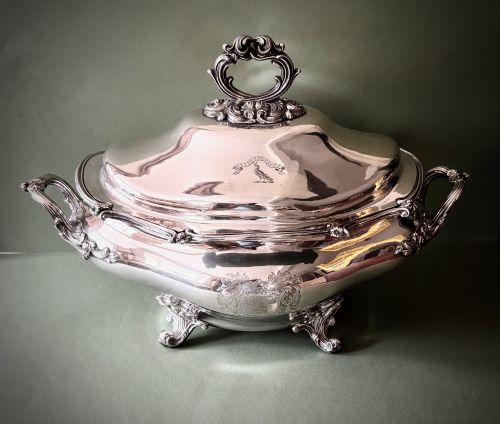
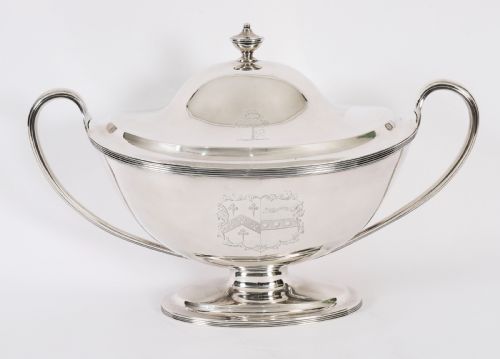
A silver covered tureen brings grand dining tables of the eighteenth and nineteenth centuries into focus with generous proportions and gleaming metalwork.
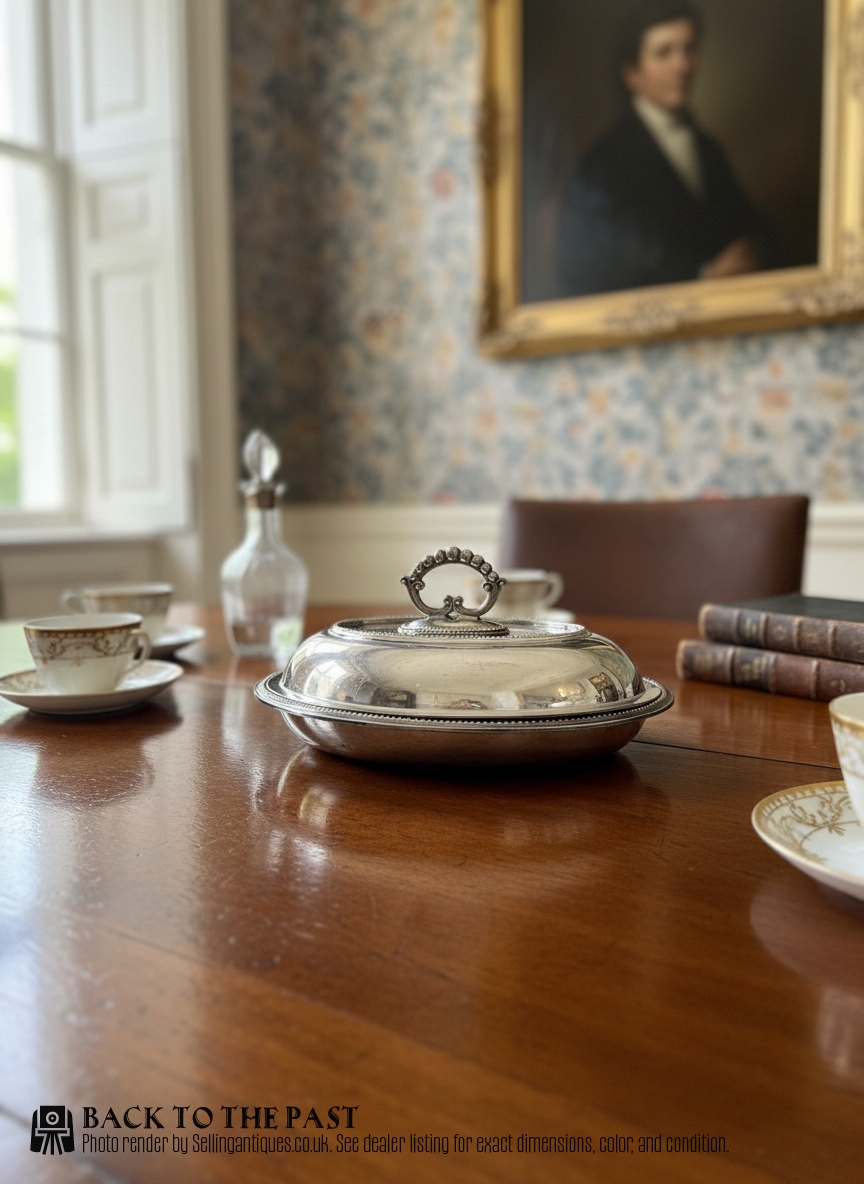
Silver Covered Tureen
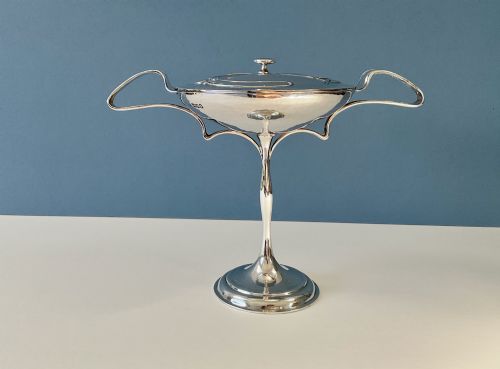
When you search for a silver covered tureen, you encounter grand vessels designed to keep soups, sauces, and entrees warm at formal dining tables. These objects date across the Georgian, Regency, Victorian, and Edwardian periods, stretching from the eighteenth century into the twentieth.
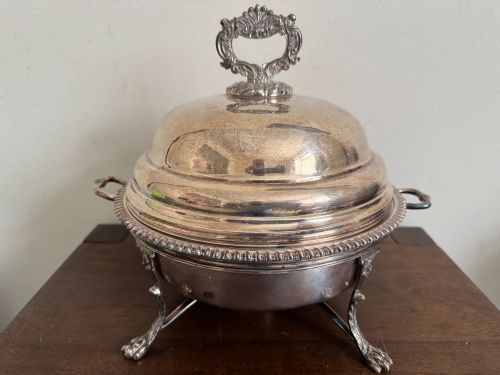
The pieces appearing on this page range from substantial sterling silver soup tureens by makers like William Bennett to silver plated entree dishes and warming dishes from firms such as Mappin and Webb. You will find oval, rectangular, and round serving vessels, often accompanied by lids, lampstands, or ladles.
Origin variations include English pieces from London and Birmingham alongside Old Sheffield Plate and Indian Colonial silver soup tureens. Each form reflects the dining customs of its era, from elaborate George III supper dishes to Edwardian plated servers.
How they were made
Silversmiths constructed sterling silver tureens by hammering and shaping solid metal, often applying cast handles, feet, and decorative borders. Hallmarks stamped into the metal recorded the maker, city, and date of assay.
Old Sheffield Plate combined a thin layer of silver fused to a copper core, leaving characteristic copper seams visible along edges or wear points. Later nineteenth-century pieces utilised electroplated nickel silver or standard silver plating over base metals like copper and nickel.
Silver Covered Tureen Retail Price Guide 2026
Typical asking prices for silver covered tureen among the pieces listed under this phrase on Sellingantiques today, from the lower quarter to the upper quarter. They describe what is for sale here now, not the wider market.
Some warming dishes include built-in compartments designed to hold hot water or glowing coals beneath the food.
What varies in quality
The distinction between standard utility items and masterwork tureens lies in the weight of the metal and the crispness of the chased or cast ornamentation. Superior examples retain deeply struck hallmarks, well-balanced handles, and tight-fitting lids that sit flush against the body.
In plated wares, quality depends on the thickness of the silver layer and the preservation of the underlying metal beneath decades of polishing. The integration of functional elements, such as functioning lampstands or sturdy warming bases, elevates the execution of the piece.
William Bennett·Mappin and Webb·William Grundy·Hamilton and Inches·Daniel and Arter·Edward and John Barnard·Walker and Hall·Elkington·Matthew Linwood·William Hutton and Sons·Cresswick·Dan Holy·Christofle Gallia·Birchall and Hayne
The Silver Covered Tureen Glossary
- Old Sheffield Plate
- A method of fusing a thin sheet of silver onto a copper ingot before rolling them into sheets for fabrication. This early technique produces a rich surface that reveals subtle copper lines at the cut edges.
- Entree dish
- A shallow covered serving vessel designed for holding portions of meat or side dishes at the table. These pieces often feature removable handles to allow the lid to double as a secondary serving dish.
- EPNS
- Electroplated nickel silver, a method introduced in the nineteenth century that used an electric current to bond a coating of silver onto a base metal alloy. This process made durable silver-finished tableware accessible to a wider public.
- Lampstand
- A metal stand incorporating a burner placed beneath a tureen or dish to keep contents warm throughout a lengthy meal. These stands frequently accompany George III supper and entree dishes.
- Sterling silver
- An alloy consisting of pure silver and other metals, typically copper, standardised for strength and durability. Items made from this material bear official assay office hallmarks confirming their metal purity.
Silver Covered Tureen: Frequently Asked Questions
What is a silver covered tureen used for?
These vessels served soups, stews, and hot entrees at formal dining tables, keeping food warm and presented with elegance. The heavy lids retained heat until the dish reached the table.
Today, they function as striking decorative centrepieces or practical serving dishes for modern dinner parties and gatherings.
How can I tell Old Sheffield Plate from electroplate?
Old Sheffield Plate shows subtle lines of copper where the fused silver layer has worn through at high points or edges. Examining the cut rims under magnification often reveals the sandwich structure of silver and copper.
Electroplated nickel silver displays a uniform base metal colour, usually greyish nickel, beneath worn silver rather than warm copper tones.
What period do most silver tureens come from?
The pieces available span from the Georgian era through the Victorian and Edwardian periods into the early twentieth century. Eighteenth and early nineteenth-century examples often feature hand-hammered sterling silver or Old Sheffield Plate.
Later Victorian and Edwardian items commonly utilise electroplating techniques to produce matched pairs and suites of entree dishes.