



Ochre Watercolour Landscape Painting
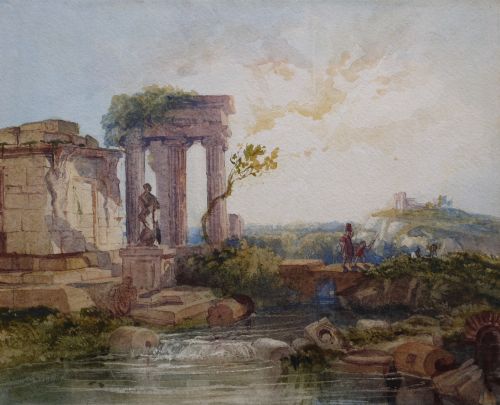
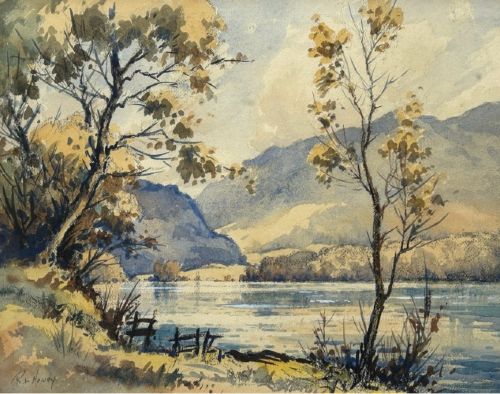
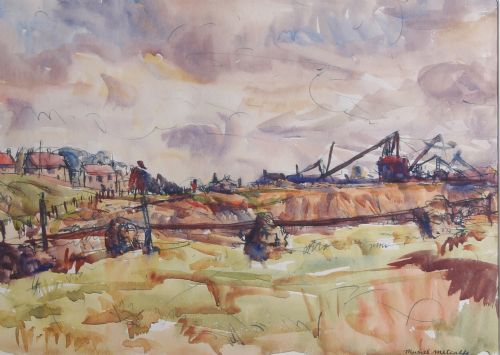
An ochre watercolour landscape painting captures light and earth through fluid pigments on paper, offering subtle tonal depths that draw the eye.
Ochre Watercolour Landscape Painting
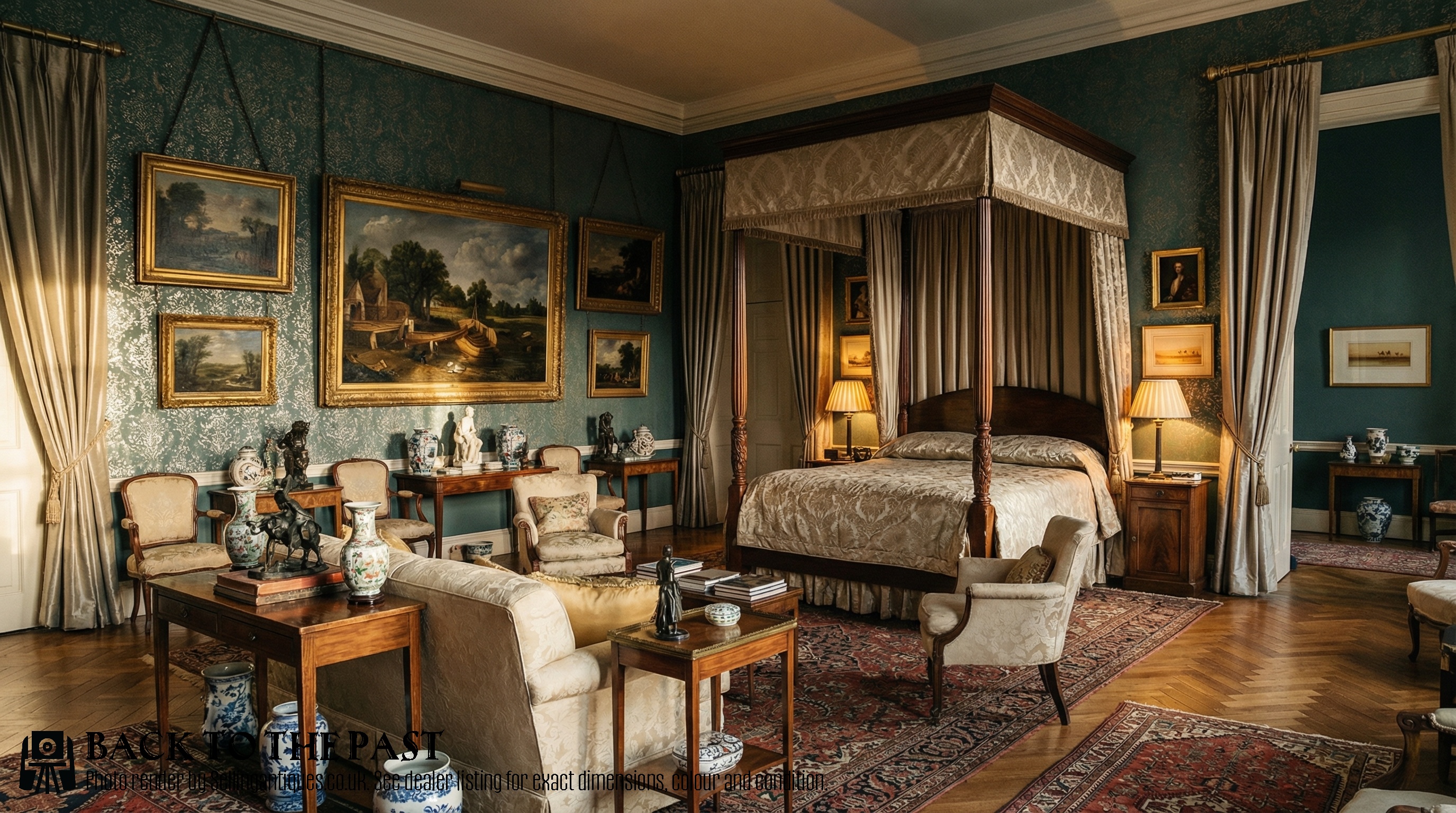
An ochre watercolour landscape painting presents scenes ranging from quiet rural fields to bustling townscapes, executed on paper using earth-toned pigments. These works span from the nineteenth century through the mid-twentieth century, encompassing Victorian, Edwardian, and Modern British sensibilities.
The buyer most frequently encounters framed compositions depicting British and European countryside or architecture, created during periods such as the 1920s and 1930s. Artists utilised the fluid nature of the medium to render atmospheric skies, rivers, and hillsides with characteristic warmth and immediacy.
How They Were Made
Artists applied water-soluble pigments onto paper sheets, often mounted behind glass within wooden or gilded wood frames. The technique relies on thinning paint with water to create translucent washes, allowing the bright surface of the paper to reflect light back through the colour.
Makers occasionally combined watercolour paint with gouache to introduce opaque highlights and denser areas of pigment. This method provided greater control over fine details in landscape elements like foliage, stone buildings, and figures.
The selection includes styles ranging from Victorian Classical and British Impressionism to Mid-Century British School.
What Varies in Quality
The distinction between standard works and exceptional examples lies in the handling of light and the surety of the brushwork. Masterful composition and a balanced tonal palette give a landscape depth and atmosphere, whereas lesser pieces can appear flat or formulaic.
Condition also plays a significant role in overall merit, particularly regarding the preservation of the paper and the stability of the pigments against fading. Framing materials that protect the artwork from environmental moisture and acid degradation help maintain the visual integrity of the original painting.
Richard Principal Leitch·Robert Leslie Howey·Gaston Cornil·Edwin Lord Weeks·Arthur Tucker·Charles James Lauder·Rowland Henry Hill·Sidney James Beer·Clara Montalba·Joseph W. Milliken·Frederick Mayor·Alfred Robert Quinton·Fred Stead·Frederick Tully Lott·Arthur Claude Strachan·George Hamilton Constantine·George Sykes·John J. Hamer·Fred Lawson·Yves Brayer·Tom Dudley·Earl Haig·Arthur Severn·Robert Thorne Waite·Joseph West
The Ochre Watercolour Landscape Painting Glossary
- Watercolour
- A painting method in which the paints are made of pigments suspended in a water-based solution. The resulting artworks are valued for their translucent qualities and delicate washes.
- Gouache
- An opaque water-based paint type that includes a binding agent and white pigment to create heavier, solid areas of colour. Artists use it alongside watercolour to add highlights and opaque details.
- Pigment
- The finely ground natural or synthetic coloured powder that gives paint its hue. In these works, earth pigments provide the characteristic ochre and umber tones.
- Framed
- Enclosed in a protective border structure, frequently incorporating glass and wood to shield the delicate paper surface from dust and physical damage.
Ochre Watercolour Landscape Painting: Frequently Asked Questions
How should I hang an ochre watercolour landscape painting?
Keep these works away from direct sunlight to prevent the pigments and paper from fading over time. Position them on interior walls where room temperature and humidity remain relatively stable.
Ensure the frame is securely fastened to wall studs using appropriate hardware, keeping the glass clean with a dry microfibre cloth.
Can I reframe an antique watercolour painting safely?
A professional framer can replace acidic backing boards and mount the artwork using archival, acid-free materials to halt deterioration. This process protects the paper edges from staining and preserves the integrity of the piece.
Retain the original frame if it holds historical value or maker marks, as collectors often appreciate matching period housings.
What distinguishes Edwardian watercolours from Victorian examples?
Edwardian watercolours often display a lighter, more impressionistic touch influenced by contemporary movements, focusing on atmospheric effects and everyday pastoral life. Victorian pieces tend toward narrative detail, classical precision, and heavier tonal contrasts.
Examining the subject matter alongside the framing style helps determine whether a work belongs to the late nineteenth or early twentieth century.
Why do some watercolours feature gouache highlights?
Artists added gouache to introduce opaque areas that standard translucent watercolour washes could not achieve, such as bright light reflecting on water or stark clouds. This combination added textural depth and sharper contrast to the landscape.
Pasting opaque paint over dried washes allowed painters to correct details or build up dense focal points within the composition.